
ETHIOPIA WEST ARSI 2 WASHED FT-FLO ORGANIC WERKA
37743 – GrainPro Bags – SPOT COSEATAC
Bags 309
Warehouses Seattle
Flavor Profile Grapefruit, hibiscus, cranberry, sweet
Check out our Guide to Ethiopian Coffee Grades


Grower
1161 smallholder farmers organized around the Werka cooperative

Altitude
1800 – 2400 masl

Variety
Indigenous landraces and heirloom cultivars

Soil
Vertisol

Region
Guba Koricha, West Hararghe, Oromia, Ethiopia

Process
Fully washed and dried on raised beds

Harvest
October – January

Certification
Fair Trade (FT-FLO/USA) | Organic
The Werka cooperative is in southern West Arsi, very close to the Sidama border and in a very high elevation, forested area (most of the zone is within the limits of Ethiopia’s Harenna Forest national park). With a terroir very similar to Sidama’s mountainous eastern districts, coffee from this area is lesser-known but equally gifted in climate and experienced growers—, and regularly features in Ethiopia’s Cup of Excellence top rankings. Werka is one of many primary organic certified cooperatives that make up the Oromia Coffee Farmers Coorperative Union (OCFCU), one of Ethiopia’s largest exporter groups.
Welcome to West Arsi
West Arsi is a kind of sleeper zone not nearly as strongly associated with Ethiopia’s coffee industry as bordering Sidama, Gedeo, and Guji zones are. It begins in the upper flatlands of the Great Rift Valley, moving south and east around the Sidama zone’s eastern frontier into the Bale mountains, well past 2000 meters in elevation. Coffee is produced at all reasonable elevations throughout. OCFCU member coops exist throughout the zone, as well as independent processors and small estates. The better washed coffees from this area are just as crisp, bright, and herbaceous as Sidama’s.
Werka and Processing
Farmer members contributing to Werka are quintessential remote Ethiopian family farms. Most are very small by any standard: the coop has 1161 member families farming a collective 1184 hectrares, barely more than a single hectare each. Farms are for the most part forested and diverse, with production typically divided between spacious, lofty coffee trees, other fruits or legumes, and enset, a fruitless cousin of the banana plant whose pulp is packed into cakes, fermented underground, and then toasted as a staple starch. This common pair of crops satisfies unique and separate needs: coffee for economic livelihood; and enset for nutrition.
Washed coffee is produced very straightforwardly at the coop. Cherry is picked daily during harvest and delivered to the coop by individual farmers. All cherry is sorted on arrival for imperfections and uniform ripeness. Coffee is depulped and fermented overnight in open tanks, and then washed clean and soaked in fresh water before being transferred to the raised drying tables. The parchment coffee dries in the sun for an average of 2 weeks, after which it is brought into the local warehouse for storage, prior to being transported to Addis Ababa for final dry milling and export.
Oromia Farmers Cooperative Union
The Oromia Regional State is Ethiopia’s largest, including more than 110,000 square miles and 35 million people. It touches the borders of both Kenya to the south and South Sudan to the west, and includes Ethiopia’s massive capital city, Addis Ababa, along with 65% of Ethiopia coffee growing territory, as of 2014. There are a number of famous coffee regions included in full or in part in Oromia: Jimma and Illubabor in the west; Harar to the northeast; Arsi, bordering Sidama in the mid-south, which produces many similar terroirs; and the Guji Zone, where Royal also works with a diversity of forward-thinking growers and processors.
The Oromia Coffee Farmers Cooperative Union (OCFCU) is an umbrella organization established in 1999 by 34 individual cooperatives interested in centralizing resources and gaining leverage in the export market. As of 2020, OCFCU supports more than 400 individual cooperatives--more than 400,000 households, by far the largest unionization of farmers in the country. 70% of profits from coffee exports are returned directly to member cooperatives, who in turn share their own portion directly with farmers. The union also funds organic farming programs, mill equipment purchases, and food security programs. OCFCU has established a central cupping lab to support quality control and is a founding shareholder in its members’ bank, the Cooperative Bank of Oromia, that provides pre-harvest financing and crop insurance; both resources historically unavailable to rural farmers in Ethiopia.
OCFCU has been Fairtrade and Organic certified since 2002, and has ever since been one of the world’s largest suppliers of Fairtrade coffee.
Related Coffee
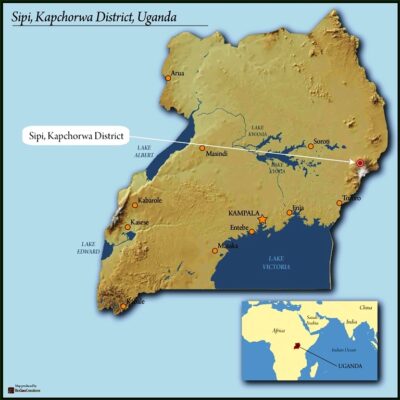
Strawberry, floral, peanut, chocolate
Seattle 7 Bags
UGANDA ORGANIC SIPI FALLS
34913-6 – GrainPro Bags – SPOT COSEATAC
Strawberry, floral, peanut, chocolate
Spot
7 Bags
$5.81 per pound
Lemon, nougat, milk chocolate
Seattle 16 Bags
UGANDA ORGANIC SIPI FALLS
34298-2 – Ecotact Bags – SPOT COSEATAC
Lemon, nougat, milk chocolate
Spot
16 Bags
$5.82 per pound

Apricot, mango, black tea, almond, granola
Seattle 187 Bags
PERU FT-FLO/USA ORGANIC NORANDINO
34072 – Ecotact Bags – SPOT COSEATAC
Apricot, mango, black tea, almond, granola
Spot
187 Bags
$5.66 per pound
Lemon zest, caramel, clean
Seattle 100 Bags
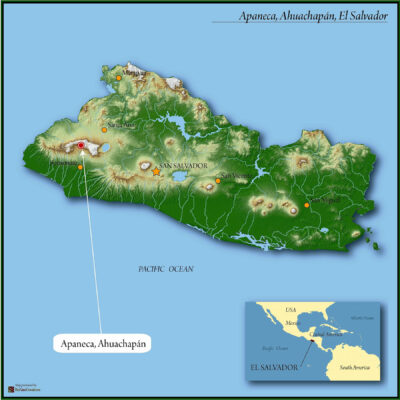
El Salvador Washed SHG EP
36882 – SPOT COSEATAC
Lemon zest, caramel, clean
Spot
100 Bags
$5.14 per pound