
Ethiopia Yirgacheffe 2 Washed Chichu
Lot 145 – 36807 – GrainPro Bags – SPOT RCWHSE


Grower
Smallholder farmers organized around the Chichu Washing Station

Altitude
1900 – 2100 masl

Variety
Local arabica landraces and heirloom cultivars

Soil
Vertisol

Region
Chichu, Gedeb District, Gedeo Zone, Southern Nations, Nationalities, and Peoples’ Region, Ethiopia

Process
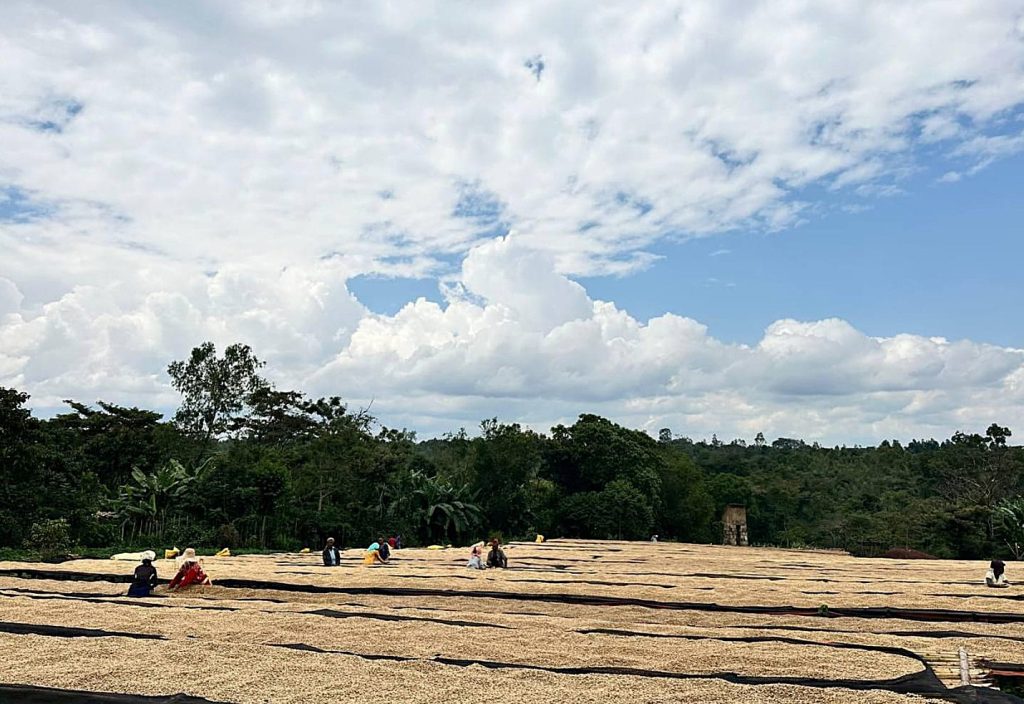
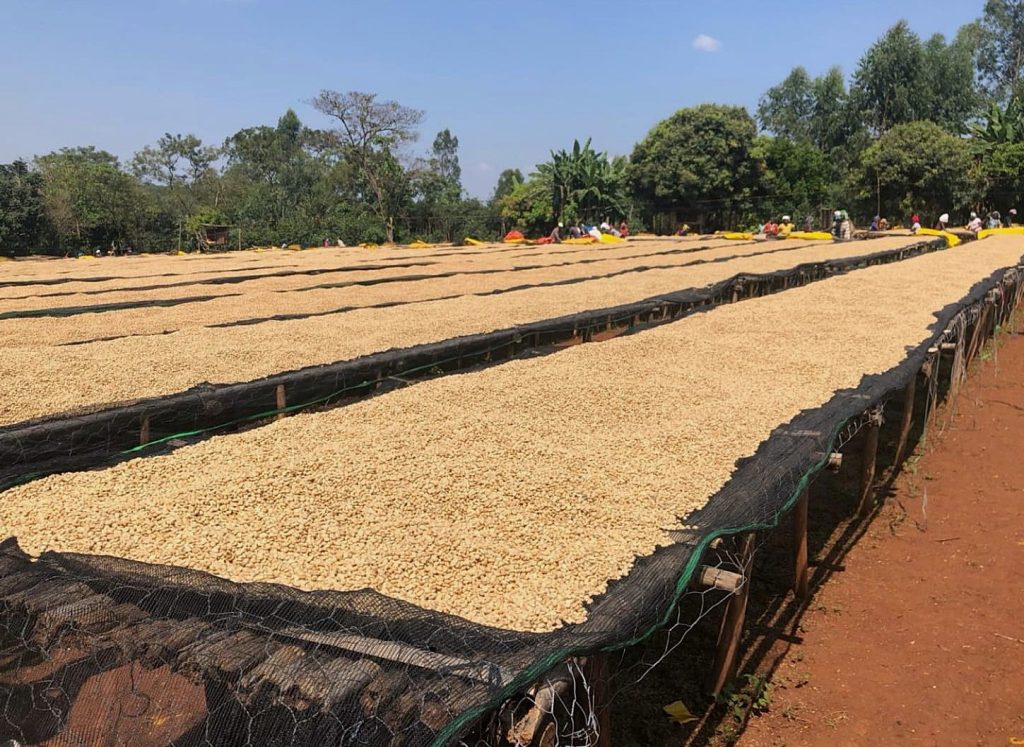
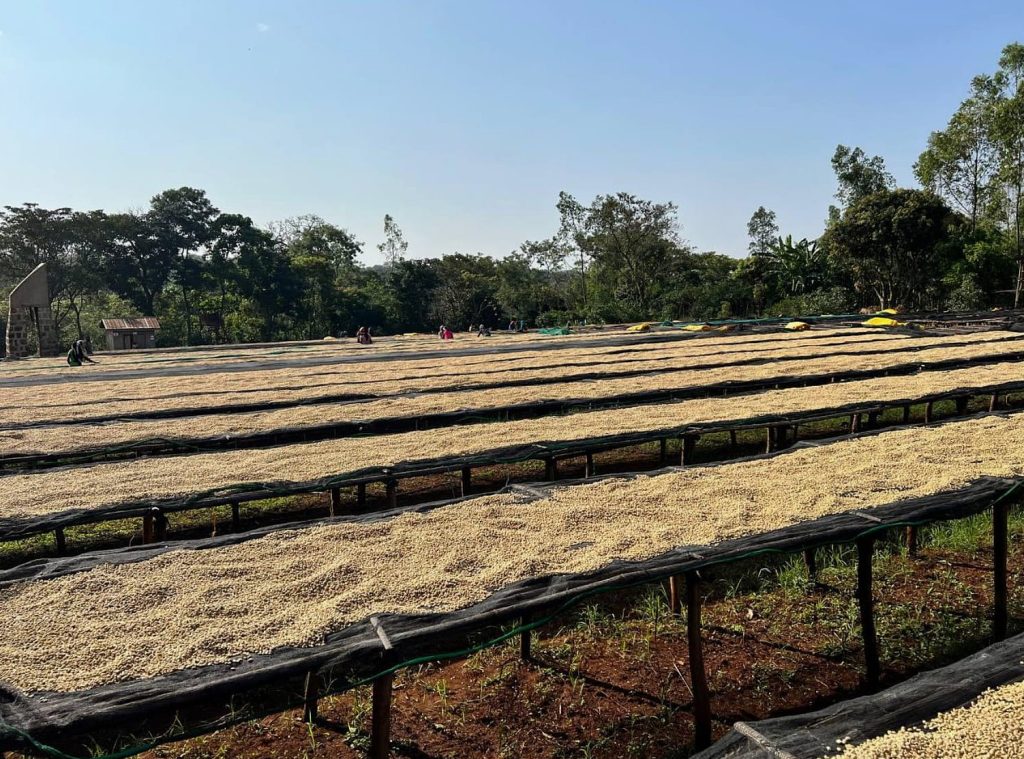
Fully washed and dried on raised beds

Harvest
October-January

Certification
Conventional
Regional Details:
Reku processing station is located in the coveted Gedeb district, the southernmost district of Ethiopia’s famous Gedeo zone. Nearly all of Gedeb is known for its gifted processing climate and experienced growers. Gedeo as a whole is frequently referred to as “Yirgacheffe”, after the zone’s most famous central district. Gedeb, however, is a terroir, history, and community all its own that merits unique designation in our eyes. Coffees from this district, much closer to Guji zone than the rest of Gedeo, are often the most explosive cup profiles we see from anywhere in Ethiopia. The Gedeb district is a remote but impressively industrious area for coffee production. Half of its territory is planted with coffee. The city of Gedeb itself is a bustling outpost that links commerce between the Guji and Gedeo zone, with an expansive network of processing stations that buy cherry from across zone borders. The communities surrounding Gedeb reach some of the highest growing elevations for coffee in the world and are a truly enchanting part of the landscape.
Sourcing Details:
Historically, the vast majority of coffee grown in this area was either processed and exported by the Yirgacheffe Coffee Farmers Cooperative Union (YCFCU), consolidated under the wide-reaching Worka Cooperative, or sold anonymously through the Ethiopia Commodity Exchange (ECX). Now there are new channels because the Worka Cooperative has split into multiple smaller cooperatives and Ethiopia’s export rules have opened new opportunities to an increasing number of single farm owners and independent companies processing and exporting directly.
Chichu Station:
This particular processing station has 600 hundred individual smallholders contributing cherries, each averaging about 3 hectares of coffee cultivation. Most of them also produce enset—a fruit-less relative of the banana tree whose pulp is scraped and packed into cakes, fermented underground, and then toasted as kocho, a staple starch in the area. The washed processed coffees are sorted by hand on arrival, then floated to remove less dense and damaged cherries. Next the sorted cherries are depulped, fermented and washed, and then taken to raised beds to fully dry, a process that takes about 15 days. Finished dried parchment is stored locally to rest and allow internal moisture to equilibrate, and then trucked to Addis Ababa to be dehulled and for additional sorting and preparation for export.
Related Coffee
Lemon, nougat, milk chocolate
Oakland 185 Bags
Lemon, nougat, milk chocolate
Spot
185 Bags
$5.71 per pound
Strawberry, floral, peanut, chocolate
Oakland 32 Bags
Strawberry, floral, peanut, chocolate
Spot
32 Bags
$5.71 per pound
Melon, chocolate, clean
Oakland 262 Bags
UGANDA ORGANIC SIPI FALLS
35184 – GrainPro Bags – SPOT RCWHSE
Melon, chocolate, clean
Spot
262 Bags
$5.71 per pound

Orange, plum, dried cherry, brown sugar, chocolate
Oakland 1 Bag
Rwanda Nyamasheke Jarama Kivubelt Rugaragara People’s Farm
Lot 45 – 37910 – GrainPro Bags – SPOT RCWHSE
Staff Pick
Orange, plum, dried cherry, brown sugar, chocolate
Spot
1 Bag
$5.99 per pound