
Article Summary:
1. Understand Client Segments
- Wholesale includes cafés, grocery, e-commerce, and hospitality—each has unique needs.
- Café clients need hands-on support, consistency, and training; grocery buyers focus on numbers and velocity.
2. Build and Maintain Strong Client Relationships
- Be consistent with roasting, delivery, and communication.
- Reduce friction—support clients with brew guides, freshness info, and dedicated points of contact.
- Meet clients where they are; tailor support to their operational realities.
3. Differentiate Your Brand
- Create a strong, authentic story that resonates with your target consumer.
- Align your mission and messaging with the right audience—avoid pitching sustainability to markets that don’t value it.
- Build regional loyalty before expanding nationally.
4. Pitch Effectively to Grocery Buyers
- Come prepared with data: order rates, repeat purchases, and sell-through numbers.
- Buyers want proven movement, not test products.
- Focus on local, independent stores first—refine systems before scaling up.
5. Packaging, Shelf-Life & Distribution Logistics
- Packaging must be durable, attractive, and suitable for long transits.
- Research packaging that preserves freshness for 3–6 months.
- Expect hidden costs: delivery errors, late shipments, and “buy-back” penalties.
- Decide on efficient SKU and pack sizes; tailor your logistics for grocery vs café channels.
6. Quality Control as You Scale
- Increasing volume requires tighter systems:
- Adjust roast profiles for larger batch sizes.
- Maintain communication with traders for green inventory forecasting.
- Cup regularly to ensure consistency.
- Monitor freshness expectations per channel.
7. Final Takeaway
- Expanding into wholesale requires strategy, systems, and strong relationships. Start local, prioritize quality and reliability, and back every pitch with numbers and a story that sells.
How to Get Your Coffee into Coffee Wholesale Distribution
Getting into coffee wholesale distribution can feel (like a) confusing and exhausting process. In this article, you’ll get insights and tips from two knowledgeable sources on wholesale distribution: Alli Ball from Food Biz Wiz, former Bi-Rite Market grocery buyer and Joshua Dusk, Aftersales Manager at Counter Culture Coffee (CCC).
Alli Ball has extensive experience as a grocery buyer and in a podcast episode with Sandra Loofbourow of Loupe Coffee on The Crown Podcast, we get the scoop on all things grocery.
I also got the chance to speak with Joshua, the Aftersales National Manager at CCC to get insights on managing wholesale clients, different distribution channels, and more. Counter Culture has experience in selling both to grocery retailers and cafes all over the country. It is highly likely that you have seen their packaging in grocery stores.
With the help of Joshua and Alli, we will explore key strategies for managing and expanding your wholesale distribution department. .
Key Strategies for Managing and Expanding Wholesale Distribution
Client relationships
Wholesale can be broken up into different categories like grocery, ecommerce, café clients, hotels, etc. These are all very different kinds of accounts and have different needs.
Café clients might be more hands-on, involve more training to get them started. CCC focuses on their ethos of transparent buying, ethical sourcing and quality. Their wholesale program is extensive in the ways they support their clients. As you may know, they have no cafes but instead offer thorough training programs, for free, to their café clients.
One of Joshua’s top tips to managing café clients and ensuring long-term relationships is to be consistent and to ‘reduce friction’. Being consistent about your roasting schedule and expectations of delivery allows clients to know what to expect from the relationship.
CCC offers lots of resources to their clients, such as free classes. But, if the client is unable to take advantage of these benefits of being a wholesale client, what is the point? Cafes can be tumultuous to run, so meeting management where they are at in order to help best support them is important to nurture those client relationships.
Some advice on how to do this: Let them know how long your coffee lasts, how the coffee tastes best when brewing, recipes to follow and training on brewing and espresso if needed. Have a list of benefits, a point of contact, and resources for your different categories clients.
Differentiation:
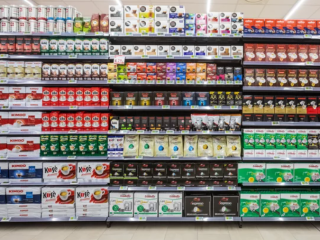
Insert yourself into the market by focusing on differentiation and building clientele. Even if you have a strong mission, are consumers buying into your mission?
Creating a story and a strong identity is important for making sales at a rate that you can sell a grocery buyer on. A common mistake is targeting your pitch at the wrong consumer. You may have a great story of sustainability and ethical coffee sourcing but, if the consumers in the area aren’t interested in that story line and the cost that goes along with it, the point is moot.
Make sure that the story you are selling is reaching the proper target audience, whether that is through online ads or focusing on regionality. Hitting niche markets can go a long way to building a loyal customer base.
Pitching
Come with numbers:

When you pitch yourself to buyers for grocery stores, come with numbers and be succinct. Part of a grocery buyer’s job is not simply to stock shelves; it is to make sure it keeps moving at a quick pace. They focus on numbers, and if those numbers won’t help them in their business, they won’t have the incentive to purchase your product for their shelves.
Come with order rates, average number of orders and customer return rate. These three numbers will give them a clear picture of how quickly your product will move off the shelves. To obtain these numbers, you’ll need to focus on smaller retail, café, or online sales to create a proper and persuasive pitch.
A common mistake is that merchants want to “test out” product on the shelves. Grocery buyers don’t typically have the time to test a product out, they want proof that it will be successful.
Focus on the local area before you go wide:
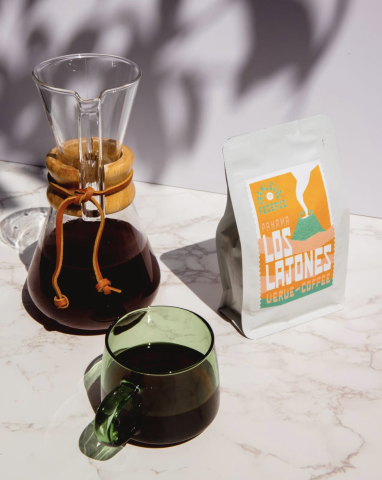
Photo by Counter Culture
One of Alli’s top tips is to focus on local before you go wide. A common mistake is trying to get really far outreach as fast as possible. It’s better to have a strong market in your local region with loyal customers before spreading to different distributors and having purchases here or there.
It’s good to focus on local independent grocery stores before going wide, if possible. That way, your company can adjust to the increase in volume production and maintain quality and consistency before going into an even larger grocery chain.
Packaging, Shelf-Life, and Distribution
Packaging plays a huge role in how grocery buyers purchase things off the shelf. Making sure that it is durable and aesthetically pleasing is necessary for retail.
During what could potentially be a long transit time and pass between many hands before hitting the shelves, it is important that along with eye-catching the packaging needs to withstand all of this movement. On top of that, do you have the proper equipment to package coffee to grocery clients, café clients, and so on. Is the investment in equipment worth the eventual savings in efficiency? All important factors to consider.
In an ideal world, freshly roasted coffee is on the shelf, so the customer is getting the best tasting coffee. Ensuring freshness can be easy to handle in a café-retail space, but it is a bit different in a grocery store.
A common practice for grocery stores is to remove products 3 days before they expire so that the consumer isn’t bringing home an expired product. If coffee has a two-week shelf life and needs to be removed three days beforehand and you include transit time to the mix, that doesn’t give it a lot of time to sit on the shelf. The “best by” date is typically 3 to 6 months after roasting for specialty coffee in major grocery chains. Doing some research and development on packaging with your supplier is key to keep your coffee lasting as long as possible while keeping really great flavor.
Joshua gives some insight into managing a grocery store client, the hidden fees that a new wholesale operation might not expect. You can accumulate fees if your delivery is late, if you send the wrong SKU, if you have do not sell everything on the shelf, you have to “buy back” your inventory. When expanding, if there are not proper systems in place to manage these operational challenges, you could find yourself swimming in fees to a grocer.
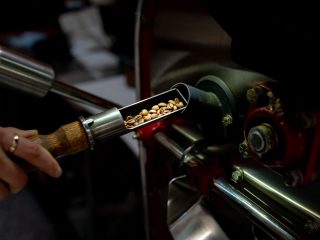
Another insight from Joshua comes in the realm of packaging and SKUs. One of the challenges during the growth CCC experienced was sorting out the best method of packaging for clients. Is it a pack of four, a pack of 10, single units? What is easy for drivers to move? What keeps the packaging look the best after transit time? All questions to consider when making moves to expand your wholesale channels.
Before heading into a multitude of wholesale channels, making sure you have proper distribution channels is key. A grocery channel versus a café channel will require different routes of distribution depending on how far your reach goes or where you want the business to move towards. Weighing the pros and cons inof investing in multiple types of vans or trucks to deliver product is an important thing to consider.
Quality Control
As you expand, you’ll find that you’ll need to implement new systems to make sure quality remains the same. Below are some more items to consider when experiencing some of these growing pains
Batch sizes: Increasing batch size can wildly impact success of a roast even If following the same profile of a smaller batch size. Cupping batches consistently as you experiment will help you decide what is best for your product.

Green Coffee Inventory: You’ll be moving through green inventory more readily and are more likely to run out of coffee. Make sure to create projections of when you’ll run out and keep an open line of communication with your trader to make sure you don’t run out of coffee.
Cupping: Cup, cup, cup and cup again. Although you may be roasting the same coffee for a period, new packaging, transit time and batch sizes can all impact how your roasted coffee tastes. Implement systems to check the sensory quality periodically to keep your coffee tasting great.
Expiration dates: Different wholesale clients may have different expectations of freshness. When doing research and development in the packaging realm, grocery ideally lasts the longest on the shelf. Café clients might order more frequently and require different freshness levels. Communicate with your clients to check on their satisfaction with your product while you are expanding so nothing slips through the cracks.
Conclusion
There are lots of variables to consider when looking to move into wholesale distribution. With a proper plan and knowledge, you will be able grow and expand your reach in all the ways you hope to. Thank you to Joshua and Alli for their valuable insights and suggestions on getting into wholesale distribution.

Latest Articles by Royal Coffee
Royal Coffee’s Top 5 Crown Jewels of 2025
With more than two dozen Crown Jewels released in 2025, narrowing down a “top five” was impossible, so we didn’t. Instead, we ranked this year’s standouts by cup score, rarity,...
Green Coffee Tariff Updates & Customer FAQs
Updated November 20, 2025 TL; DR On Nov 20 2025, the U.S. signed an order that removes the 40% additional duty on certain Brazilian agricultural imports, including coffee. The relief...
Royal Coffee 2025 Holiday Ordering Info
Dear Royal Coffee Customer, As the busy holiday season approaches, we want to help you prepare for successful shipments. During the holiday season, carriers always experience higher than normal volume,...