
In anticipation of a class on fermentation and processing styles in coffee, I asked my colleague Evan to help me create a unique visualization tool to convey accurately and quickly what people mean when they say “pulped natural” or “triple washed,” for example.

You’ll note the color-coded language: green indicating almost always and red almost never, with a good amount of ambiguity highlighted in yellow and a few exceptions noted in other shades and with some additional text.
This is because not everyone means the same thing when they use certain terms to indicate their processing methods. Ambiguity springs up all over the place. You can find out more about fermentation and Anaerobic & Carbonic styles of processing here.
You can also access the full size PDF here: Processing Steps Infographic

Latest Articles by Chris Kornman

Notes Between Cuppings Entry 1
Co-fermented coffee is a new processing approach where producers add natural ingredients like fruit, hops, or spices during fermentation to enhance flavor complexity. Unlike flavored coffee, these additives interact with...
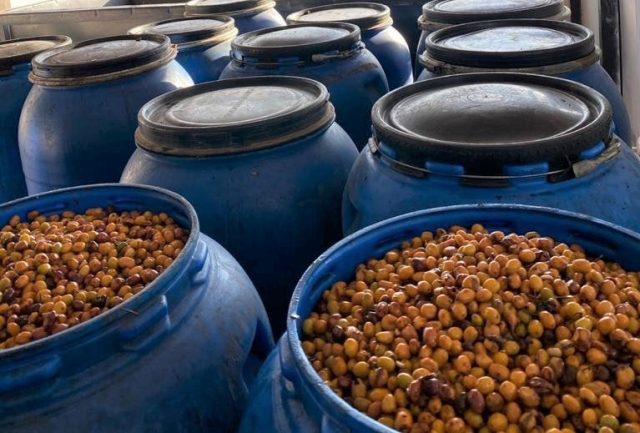
Excerpt: Additive Fermentation: “Infused” Coffee is Gaining Popularity and Sparking Industry Debate”
Co-fermented coffee is a new processing approach where producers add natural ingredients like fruit, hops, or spices during fermentation to enhance flavor complexity. Unlike flavored coffee, these additives interact with...
Are All Green Coffees the Same? Factors That Affect Their Flavor
Explore July 2025 Crown Jewel coffee arrivals from Sumatra, Ethiopia, Tanzania, and more. Bold flavors, innovative processing, and standout producers.
This is a good summary of what I have observed as well. However, we have a nice Honey process coffee that I have difficulty naming because it doesn’t fit any of these conventions. We do a fermentation of the cherry for a few days in water with a yeast inoculation, so it’s close to CM, but CM is supposed to be sealed tanks flushed with CO2. We started calling it Anaerobic 3 years ago since the water bath is a low oxygen environment, and at that time there was less industry clarity about which terms to use, so now it feels out of place since the term is usually used for a process different than ours.
Cost of production and results in the cup are ultimately all that matter, but it sure is nice if we can add some fancy marketing speak to help indicate we have taken an intentional approach to fermentation.