
Editor’s Note August 20th:
- Brazil: A 50% tariff on green coffee takes effect August 6, with no exemption granted. The increase is tied to recent political tensions and was confirmed by Commerce Secretary Lutnick, who also stated no extension will be offered.
- Indonesia: Officially at 19% for vessels loaded after August 6.
- Nicaragua: Now officially set at 18%, aligning with the revised rate reflected in recent customs filings.
- India: If loading the final vessel between August 7 and 26, a 25% rate will apply. On Aug 27, the rate increases to 50%.
- Other Origin Snapshot:
- Bolivia, Costa Rica, Ecuador, Papua New Guinea, Uganda: 15%
- Vietnam: 20% (remains unchanged from earlier July update)
- Mexico: Still duty-free under USMCA, but under political scrutiny.
Editor’s Note: August 5th
Brazil: A 50% tariff on green coffee takes effect August 6, with no exemption granted. The increase is tied to recent political tensions and was confirmed by Commerce Secretary Lutnick, who also stated no extension will be offered.
Indonesia: Although a new trade framework was announced, the 19% tariff reduction referenced under Executive Order 14257 is not yet legally binding. Coffee was named as a potential candidate for future relief, but as of today, the 32% tariff remains in effect.
Nicaragua: Now officially set at 18%, aligning with the revised rate reflected in recent customs filings.
India: Tariffs have settled at 25%, slightly down from earlier projections but still a significant jump from baseline.
Other Origin Snapshot:
Bolivia, Costa Rica, Ecuador, Papua New Guinea, Uganda: 15%
Vietnam: 20% (remains unchanged from earlier July update)
Mexico: Still duty-free under USMCA, but under political scrutiny.
We’ll continue updating as new legal documents are released. If you’re concerned about upcoming shipments or contracts, please reach out to your trader directly.
To Our Valued Customers,
Earlier this year, we shared an update on the sweeping tariffs imposed on nearly all coffee imports beginning April 5, 2025. At that time, a base tariff of at least 10 percent was applied to most imported coffee, with the possibility of higher, country-specific rates.
On July 7, the U.S. government announced further tariff increases for several countries, effective August 1, 2025. Notably, these include countries central to both the specialty and global coffee trade: Indonesia and Vietnam. Below, we’ve outlined what is changing, what remains the same, what remains uncertain, and how we’re supporting you.
What’s Changing
- New country-specific tariffs take effect August 1, 2025, replacing the 10% baseline for affected origins:
- Indonesia: 32%
- Vietnam: 20%
- Other origins remain at the 10% minimum unless otherwise announced.
- Tariffs apply to coffee that clears U.S. customs on or after August 1, regardless of contract date or shipment booking.
These increases are substantial enough to impact pricing and availability, particularly for origins like Indonesia and Vietnam. Vietnam is the largest producer of Robusta and the second-largest coffee producer globally. Indonesia is a significant source of specialty coffees.
What’s Uncertain
India and Nicaragua:
Neither India nor Nicaragua have had formal announcements yet. In theory, their rates revert to the previously announced higher levels on August 1 (27% and 19% respectively).
However, it is almost certain that their final rates will differ from those earlier figures. We will continue to monitor for definitive updates on these origins and will communicate them as soon as they are confirmed.
Brazil: (See Editor’s Note, Brazil Tariffs Now at 50%)
Brazil remains under close observation. Given its alignment with the BRICs group and recent U.S. statements, it seems unlikely that Brazil’s tariff rate will remain at 10 percent.
- Any increase here would significantly influence global pricing given Brazil produces about half of the world’s coffee.
- If raised, prices from lower-tariff origins may rise as buyers adjust sourcing strategies, which we saw earlier this year with Mexican coffees. Conversely, a significant tariff on Brazil could eventually dampen global demand and put downward pressure on prices over time.
Ethiopia:
As a country that has lately aligned itself to a certain degree politically with the BRICs group, Ethiopia is likely to see higher than 10% rates applied as well. Based on Trump’s threat of additional 10% tariffs for any country aligned with the BRICs bloc, 20% feels like the floor for Brazil, India, Ethiopia and others. While Brazil and India are large economies capable of shifting trade patterns as negotiations move forward, Ethiopia does not import much from the United States and has an extremely weak currency, limiting its options.
What Hasn’t Changed
- Tariffs are a tax on U.S. businesses, not foreign producers.
- They increase the cost of coffee immediately, even for contracts signed before the tariffs were enacted.
- To sustain operations and continue sourcing the coffees you depend on, these costs must be passed through.
- Tariffs apply to nearly all imported coffees, with few exceptions (primarily certain qualifying Mexican coffees).
- Tariffs are based on the FOB (free on board) value at U.S. customs, which may differ from your contracted price.
- We do not profit from tariffs. We’ve raised prices to only cover charges that we are required to pay.
How We’re Supporting You
Our Team is Actively:
- Monitoring evolving customs regulations daily.
- Identifying affected shipments and updating sales orders accordingly.
- Communicating changes clearly and quickly so you can plan with confidence.
- Providing guidance and suggested language to help you explain these increases to your customers.
- Offering advice and strategic insight to help you adjust your sourcing strategy if needed.
- We understand these changes are disruptive, and we remain committed to being your trusted partner through them. Your resilience and growth are essential to ours.
What You Can Do
- Review your contracts and shipment schedules to see which shipments may clear customs after August 1.
- Contact your trader to discuss options, ask questions, or adjust your sourcing plans.
- Communicate proactively with your customers. These tariff-driven increases may need to be reflected in your pricing.
Together, we will navigate this transition thoughtfully and strategically. If you have questions, please reach out to your trader directly or email us at info@royalcoffee.com.
We’re here for you.
Sincerely,
Max Nicholas-Fulmer
PS: We understand (and recommend) that you adjust your own pricing because of these tariffs. If you find it helpful, please feel free to adapt this verbiage to explain the situation to your customers:
Template for Customers:
We want to let you know about a change to our coffee prices and share some context.
In April 2025, the U.S. government enacted new tariffs on most imported coffees. These tariffs have increased the cost of coffee at the point of entry into the U.S., and like many other businesses, we’re now seeing those costs reflected in the coffees we purchase.
We’ve done our best to absorb as much of the increase as possible, but to continue sourcing high-quality coffees and keeping our business sustainable, we’ve had to adjust our prices to reflect these unavoidable costs.
We appreciate your understanding and continued support, and we’re always happy to answer any questions you may have.
Thank you for being part of our community and for supporting the people and work behind every cup.
Warm regards,
[Your Name / Your Business]

Latest Articles by Max Nicholas-Fulmer
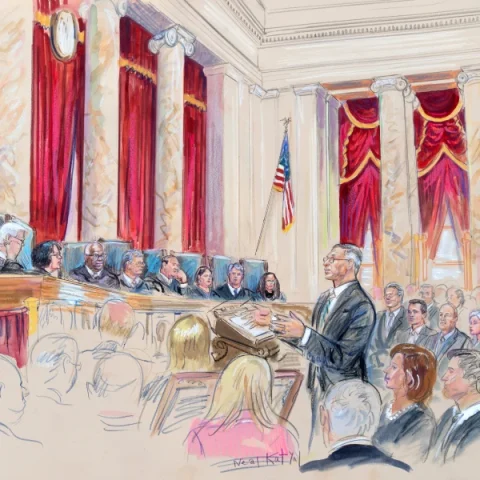
What Does the Supreme Court Tariff Hearing Mean for Coffee?
The Supreme Court’s recent hearing on the IEEPA tariffs signals skepticism about presidential trade powers but no quick relief for importers. Refunds appear off the table, and tariff risk, especially...
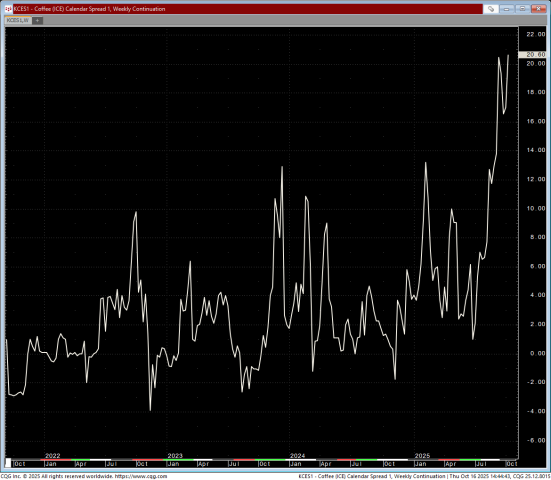
Coffee Market Update: Backwardation and What It Means for Roasters
The global coffee market has entered uncharted territory. Tight inventories, Brazil tariffs, and U.S.–Colombia trade tensions are pushing C-market prices higher and sustaining extreme backwardation. Learn what it means for...
Understanding the Impact of New Tariffs on Coffee Imports
Editor’s Note: The White House is clarifying that Trump’s announcement of a 90-day tariff “pause” means that the “tariff level will be brought down to a universal 10% tariff” during...
So much to say, so little space. Firstly, As coffee roasters, i am in an unfair trading position with Royal. Royal knows how much i pay for green coffee but we don’t know how much Royal pays for green coffee? Is there any means by which we might find this out? It’s not that i don’t trust Royal more than the government, it’s just that it’s hard to make financial decisions when you don’t have all the information.
Secondly, pricing has been going especially crazy for several years now, due to a world wide pandemic, shipping container shortages, and so on but even though many of those factors have passed on, i haven’t seen a price correction for those alleviations. Maybe i am missing some more of the information?
Hi Steve,
While we don’t publish FOB prices for every coffee, some of our Crown Jewel offerings or Farmgate coffees do include that information. For others, your trader can explain the factors behind the price, such as origin costs, exchange rates, and shipping. We try to share as much detail as possible when you reach out.
On pricing trends: some pandemic-related disruptions, like container shortages, have eased. But other pressures remain: tariffs, geopolitical instability, rising costs at origin, climate change, labor shortages, and a highly volatile C market all impact pricing. Even when some costs drop, we’re often fulfilling contracts negotiated when prices were higher, so reductions take time to appear. It would be overwhelming for both our team and customers if we alerted you every time a price was changed. That said, when we can lower a price, we do. It’s in our best interest to move coffee quickly, and our success depends on yours.
If you’d like to discuss specific coffees or contracts, please reach out to your trader.
Thank you for keeping us informed and up to date.