
Crown Jewel Honduras Washed SL-28 Marysabel Caballero & Moisés Herrera Chinacla Municipality
37070-1 – SPOT RCWHSE
Boxes 0
Warehouses Oakland
Flavor Profile Plum, jasmine, lime, and milk chocolate
Out of stock

Overview
Overview
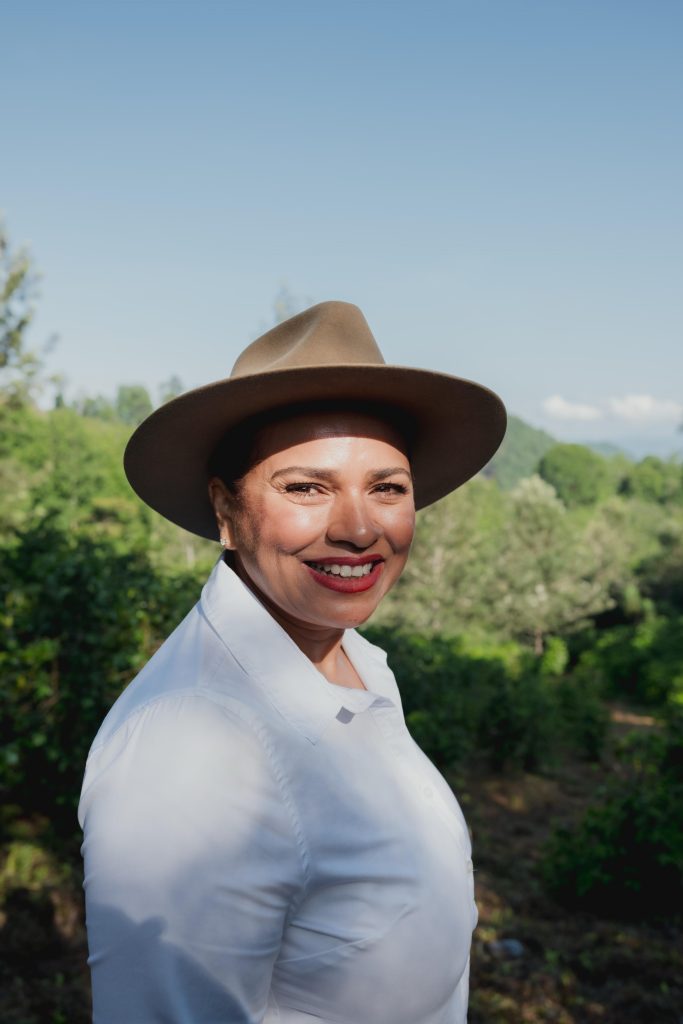
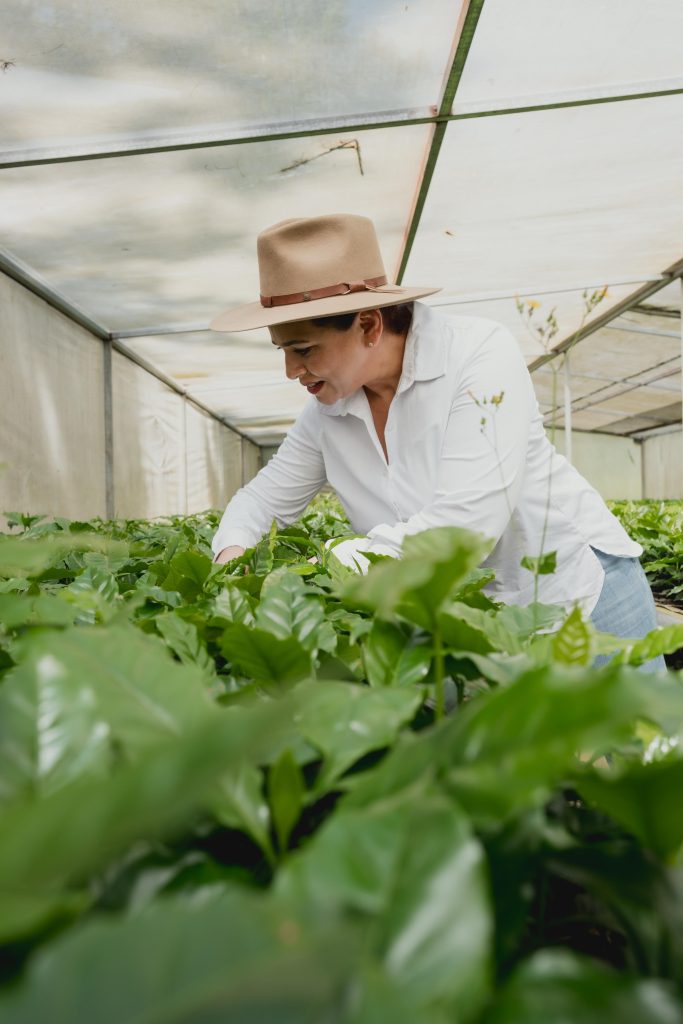
This is a low intervention, washed SL-28 cultivar coffee from Chinacla municipality in La Paz, Honduras, produced by Marysabel Caballero and Moisés Herrera on their farm, Finca El Puente.
The flavor profile has a unique depth and character that left us captivated. We tasted orange, ginger, and honeycomb.
Our roasters found the coffee remarkably easy to roast, requiring no micromanagement regardless of machine or style. We generally favored moderate heat applications and lowish drop temperatures.
When brewed, we liked coarsely ground pour-overs and favored espresso extractions on the extremes, including a rapidly extracted low dose shot, and a high-dose, long pull that each performed admirably.
Taste
Taste Analysis by Isabella Vitaliano
After a brief pause in coffee releases, we are coming back swinging with this delicious Honduran natural coffee. Finca El Puente, a well-known farm in the coffee community for over 20 years has the experience, dedication and vision to make excellent coffee year after year. This is the farm’s first release on the Crown Jewel menu and what a home run to start.
Personally, I feel captivated by this coffee. It’s subdued with lots of depth and flavor notes that I’m still attempting to decipher even in this moment. Think graham cracker, orange with notes of ginger and honeycomb. On some roasts you might find a incense or cedar in this sort of depth to it. On espresso Asha got flavors in the realm of sweet honeydew, fresh pomello with accents of cilantro and cucumber. A freshness that can only really be described by a yuzu lemon tea like-essence. Top notes of jasmine and lilac provide the finishing touch to this coffee and customers will keep on coming back for more. I think every type of coffee drinker can appreciate this coffee and would shine as a batch brew, espresso or pour over offering.
Source
Source Analysis by Chris Kornman, Marysabel Caballero, and Moisés Herrera
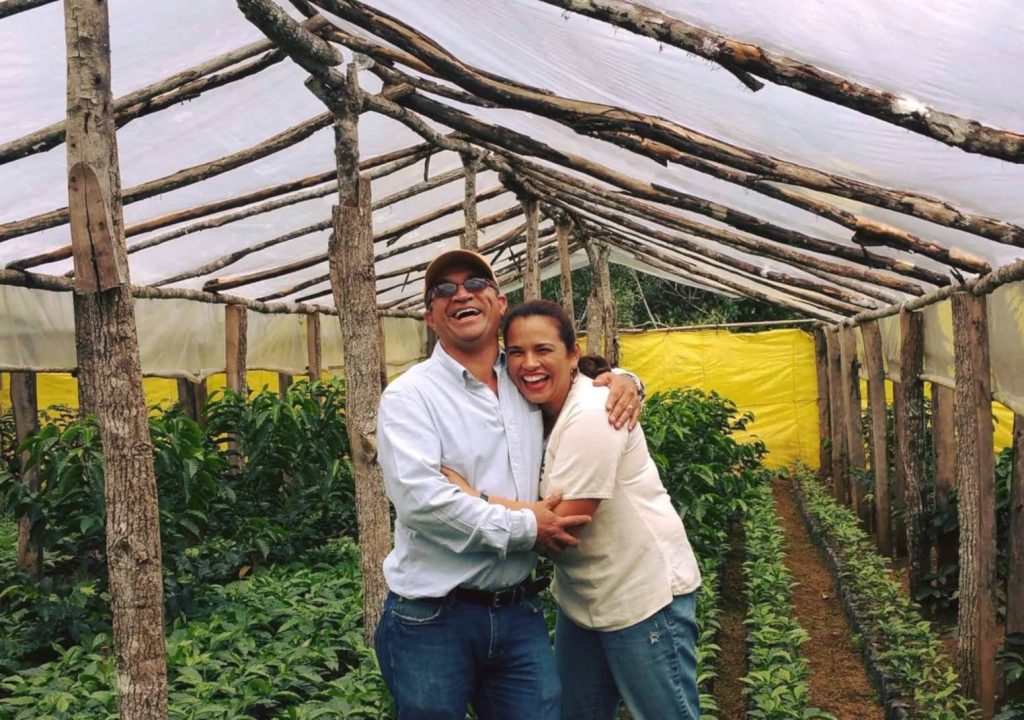
I think I first met Marysabel and Moisés in Chicago, probably around 2010, but I’d known them by reputation and by their coffees for far longer. The team behind Finca El Puente were maybe some of the first coffee producers from Honduras to have longstanding direct trade name recognition in third wave establishments during the early aughts. All the hip roasters of the era were big fans of theirs, to the extent that Intelligentsia, Counter Culture, and Stumptown all remain customers, carrying a selection of their coffees nearly every year twenty-some-odd years later. This is surely in no small part due to consecutive top-tier placement in Honduras’ annual Cup of Excellence competition, dating back to the inaugural auction in 2004. I had the privilege and pleasure of travelling with them to Ethiopia in 2015 for a series of farm visits and a lecture series, and The Crown was honored to host them as guests last year for our first Development Stage symposium.
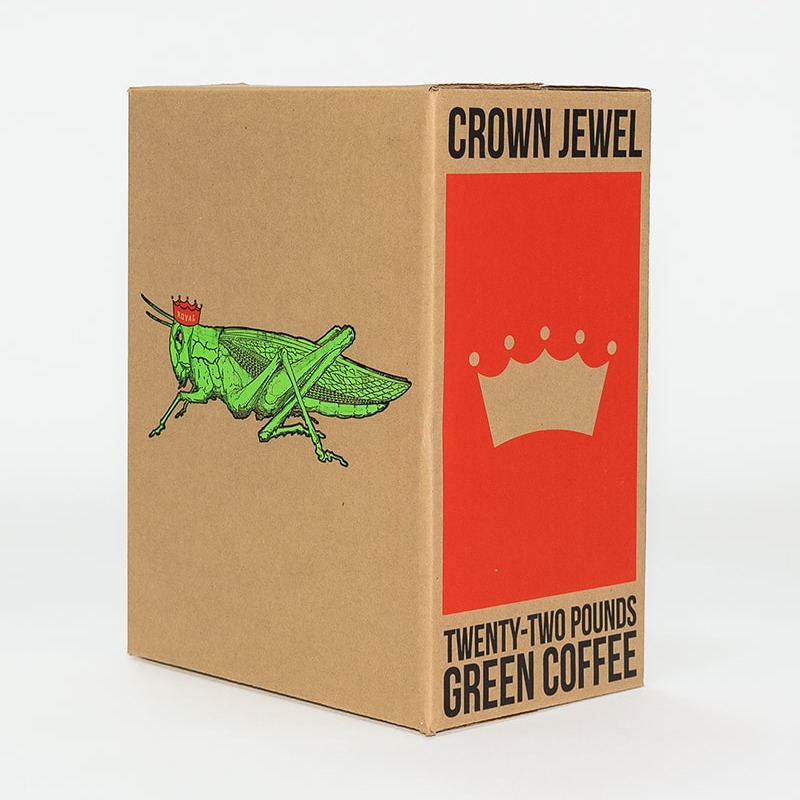
Flash forward to sourcing coffee for 2025. Central American coffees have been a staple of Royal’s menu for decades, but we inadvertently began looking at coffees from further-flung locales for many of our Crown Jewel offerings. After reconnecting in Oakland in 2024 for Development Stage, facilitated by Counter Culture’s West Coast Coffee Manager Katie Carguilo, I reached out to see if El Puente would be willing to help reinvigorate our top shelf coffee menu. Katie generously made a little room on a container for us to consolidate, Marysabel and Moisés sent us some really delicious samples (making our work of choosing just one to fill the available space on the shipping box a bit of a challenge), and the rest is history.
This is an incredible coffee from a storied farm run by experienced and lovely people, and we’re thrilled to add it to our menu.
-Chris
The People Behind the Coffee (from the Finca El Puente website)
Marysabel Caballero’s connection to coffee runs deep within her family’s history. She proudly represents the fourth generation of coffee producers, with the tradition dating back to 1907 when her great-grandfather, Don Felipe García, began cultivating coffee in Honduras. Don Felipe’s dedication led him to grow, process, and transport coffee beans on mules in leather sacks to El Salvador for export to Germany. In return for his coffee, he received essential goods such as cloth, tools, and fertilizers, which he distributed through a small store in Marcala.
Sadly, Felipe passed away prematurely, at the age of merely 44; his son, Marysabel’s grandfather, Arsaces Garcia, was a mere nine years old when this occurred. At the tender age of 14, he entered into marriage and assumed responsibility for the family farm. Sandra Isabel, Marysabel’s mother, is the eighth child of Arsaces. In 1975, Sandra and her spouse, Fabio Caballero, purchased farmland from Arsaces. This is where Marysabel’s own coffee journey began.
Moisés Herrera, hailing from Guatemala, initially worked for a coffee exporter. However, a fateful visit to Honduras in 1992 ignited his passion for coffee, particularly in the municipality of Chinacla, just beyond Marcala’s borders. Moisés and Marysabel married in 1996, embarking on their journey as coffee cultivators together. Their very first farm, La Maltide, marked the beginning of an extraordinary partnership rooted in coffee heritage and shared dreams.
More About the Farm
Unlike traditional farms with large, contiguous plots, El Puente’s approach involves cultivating smaller, scattered plots across four distinct municipalities: Chinacla, San Jose, Marcala, and Santa Ana. This decentralization presents challenges in terms of management and cherry collection, but it also results in a rewarding experience to witness the profound impact of “terroir” on coffee flavor.
Across these four regions, Marysabel and Moisés manage a total of 36 different plots of land, each contributing its own nuances to coffee profiles. From the high-altitude climates of Santa Ana to the warmer, more tropical conditions of Marcala, each municipality brings its own unique characteristics to their coffees. By carefully sourcing from diverse regions, the team ensures that every cup of coffee tells a story of its origin, inviting roasters to explore the rich tapestry of flavors that the farms have to offer.
Marysabel and Moisés’ journey is deeply rooted in their embrace of change, willingness to take calculated risks, and tireless commitment to innovation. They spare no effort in the quest for perfection, with each passing year offering fresh opportunities for honing their craft. With more than 50 farms spanning four diverse regions and a vast spectrum of 56 coffee varieties, their expedition unfolds as an ongoing pursuit of excellence.
El Puente is profoundly committed to the environmental sustainability of its farms. Their unwavering focus goes into improving the soil to create a healthy growing environment for their coffee trees. They produce organic fertilizer from cow and chicken manure mixed with coffee cherry pulp and other organic materials. The soil undergoes annual analysis to ensure it nourishes the coffee adequately. All water used for processing undergoes thorough filtration before being released back into nature, preserving the purity of local water sources.
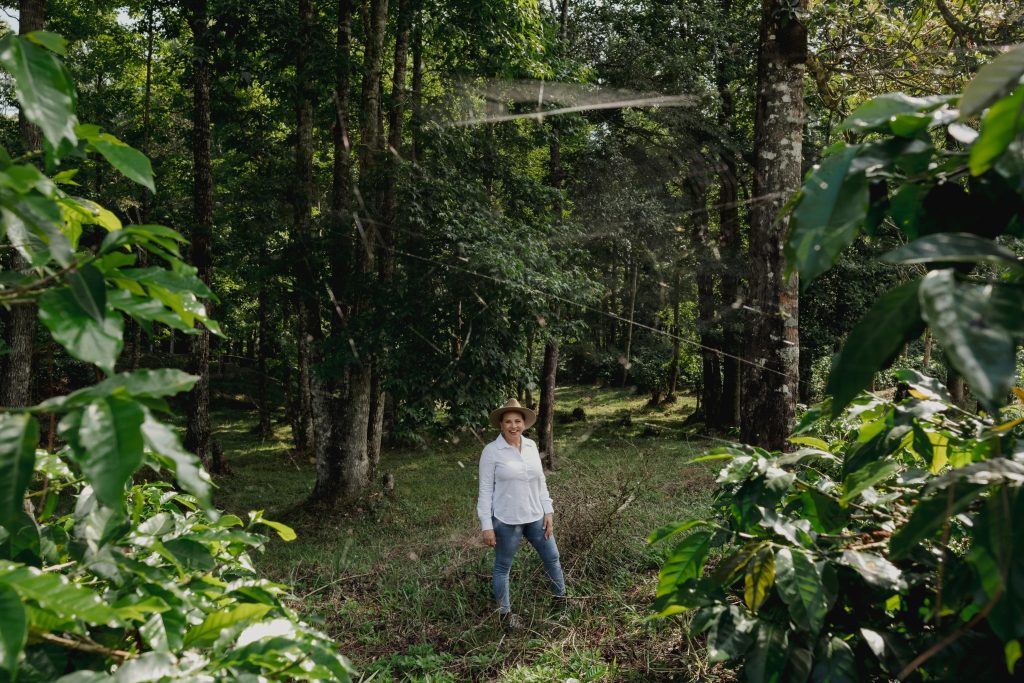
Recognizing the critical role of forests, Moisés and Marysabel preserve some parts of their farms as forested areas. They understand the impact of deforestation on water sources, droughts, and erosion. Their commitment to maintaining biodiversity and forests on the farm reflects their dedication to environmental sustainability.
To further promote environmental health, they refrain from using pesticides on their farms. Instead, they manage shade levels to control the growth of fungi and other coffee diseases. They have also adopted wider tree spacing, deviating from conventional practices, to reduce the risk of fungus and leaf rust. Their innovative approach reveals that when coffee trees have more space to flourish, they grow healthier and stronger.
Green
Green Analysis by Isabella Vitaliano
This Honduras SL28 has average moisture content range with a slightly above average density and average water activity. All metrics hitting in roughly the middle range make for easy breezy roasting. Screen size is in the middle range and has a bit of a larger spread.
Sl28 is a well known cultivar on Kenya and as an excellent reputation among buyers and producers. In the 1930s Scott Agricultural Laboratories selected and stabilized the cultivar. You don’t often see this coffee from outside of east Africa. Not only is Finca El Puente excellent growers, but they are also visionaries as well and can see the value in diversifying their cultivar offerings. We feel lucky to get this SL28 lot from a central American country and from such an experienced group on top of that.
Diedrich/Loring
Diedrich & Loring Analysis by Chris Kornman and Doris Garrido
Doris roasted the initial analysis for this lovely, delicious Honduras SL28 right before leaving on a much-deserved vacation for the week. As it happened, we also selected this coffee for service as our light roast drip option and I found myself in front of the Loring, with a large batch as well. Interestingly, in both cases, we made different choices about when and how to adjust the profile based on a combination of information and assumptions about cultivar, origin, and processing methods.
Doris opted for a moderately low charge temperature and high gas setting for her Diedrich roast, with a long drying phase and a quick two-step transition from the highest to lowest gas setting at color change, which didn’t happen until more than 5 minutes into roasting. The result was a very quick Maillard stage, a mere 2:30 of roasting time, followed by a clean gentle slope of a curve during first crack, for a 90 second total development time.
I started with a fairly hot charge temperature on the Loring, but soaked for 60 seconds before hitting the gas, only needing about 60% of the total power to slip out of drying stage at 4:40 and spend a healthy, roughly equal amount of time between color change and first crack, leading to a longer overall roasting time than the Diedrich, but with a similar 90 second development time and similar end temperature, just a hair above 400F on the bean probe. The coffee was remarkably happy to roast easily with minimal gas changes; I really only made two quick moves, at and after first crack, to keep the rate of rise low.
On the cupping table, Doris’ Diedrich roast was light and airy, accented with a clean crisp lemony acidity, a pleasant caramelly sweetness, the finish punctuated by unique notes of aromatic cedar or incense. The Loring roast was less delicate, a bit rounder with heightened sweetness when compared the punchy lemon acidity of Doris’ quick Maillard development. It did, however, offer some interesting complexity in the form of Valencia orange acidity and a finish that leaned more towards sweet spice… I thought about garam masala and spicy fresh ginger, which reminded me a little of some of the rarer Nyeri offerings and might reflect some hints of the legacy of SL28’s journey from Kenya to Honduras.
Ultimately, both roasts were enjoyable. If you want a bright citrusy coffee with a delicate body, hit this coffee with plenty of heat early. If you prefer a sweeter, spicier experience, feel free to stretch Maillard out a bit. Happy roasting!
Aillio
Aillio Bullet R1 IBTS Analysis by Evan Gilman
We use the RoasTime app and roast.world site to document our roasts on the Bullet. You can find our roast documentation below by searching on roast.world, or by clicking on the link below. Take a look at our roast profiles below, as they are constantly changing!
For some reason (ahem, Kenya), every time I hear SL28 my mind goes to crisp and zippy acidity, tart blackberry or currant, and toasted marshmallow sweetness at darker roast levels. But cultivar doesn’t necessarily determine profile, and this coffee is a great reminder of that.
I started with a high-to-middling 455F for my charge temperature, focusing on keeping airflow going at a healthy clip throughout this roast. P8 power and F2 fan were my basis until 245F / 1:30, just after turning point. I ramped up fan to F4 and let it wail until just before first crack. My only other adjustments were to take power down to P6 at yellowing, with just a touch of push to P7 to keep it going later on. Then, back to P6 for the remainder of the roast and F5 after first crack. Voila. I dropped at 395F / 9:47. This coffee was a dream to roast.
In the cup, I found lots of sweetness, leaning on the maple syrup end of things heavily. Not to be outdone by Kenyan versions, there was plenty of crisp citrus acidity here, but nary a tomato to be found. I kept on coming back to the rich cherry notes and deep chocolate profile of this coffee, though I didn’t take the roast very dark at all. On cooling, there was something I just couldn’t put my finger on that reminded me of walking into an import store – in the best possible way.
You shouldn’t hesitate to use this coffee in either a filter drip or a full-immersion method. There’s tons of here for those who love a clean cup or want those solids still remaining. Truly a special coffee with flexibility, nuance, and sweetness for days.
You can follow along with my roast here at roast.world: https://roast.world/egilman/roasts/eFM-a6hnJvqxfIzlHobsk
IKAWA
Ikawa Pro V3 Analysis by Isabella Vitaliano
Our current Ikawa practice compares two sample roast profiles, originally designed for different densities of green coffee. The two roasts differ slightly in total length, charge temperature, and time spent between color change in first crack. You can learn more about the profiles here.
This coffee shined in both forms of roasting in this special combination of SL28 and Honduran origin. On the high density roast the coffee was straight forward with clean acid and sweetness. The light density roast was clean and had flavors like shiso, oregano, pineapple and mango in the cup. I loved the ambient tones of this roast. Creamy, pleasant and music to my ears (flavor to my tongue? That sounds weird).
I recommend exploring both option but I personally preferred the crips flavors of the low density roast.
You can roast your own by linking to our profiles in the Ikawa Pro app here:
- Roast 1: Low Density Sample Roast
- Roast 2: High Density Sample Roast
Brew
Brew Analysis by Katie Briggs
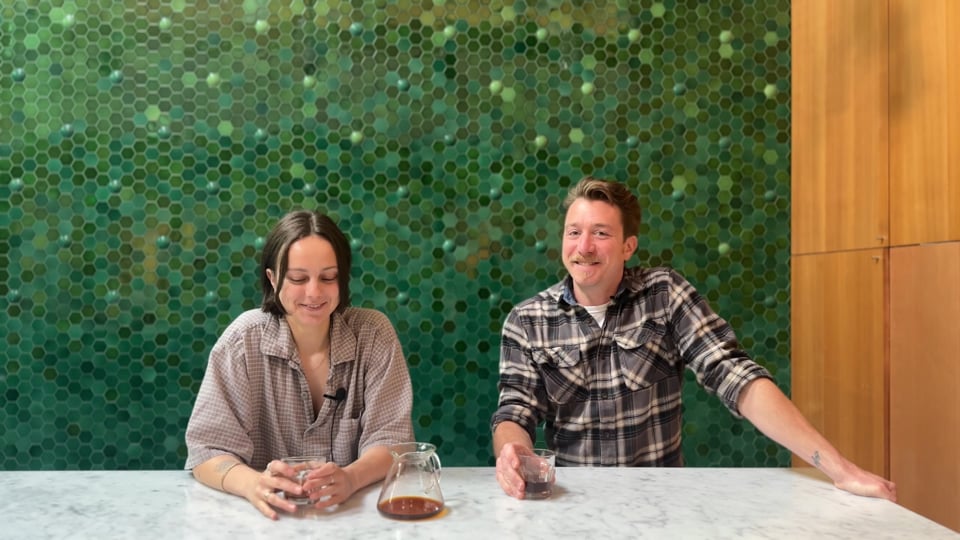
I started my brews at a dose of 19 grams, and at a 9.5 grind. I did this brew on the V60 cone brewer and started with a pulse of 40g of water and let bloom for 50 seconds. I was pleasantly surprised with this first brew! It was sweet with notes of plum, and milk chocolate. It also had some savory notes of sesame and popcorn. I wanted to try and sweeten it up a little bit more for the next brew though.
I decided to coarsen the grind just a bit to a 10 and repeat the steps to the above brew. I liked this brew a lot. We got notes of jasmine, salted caramel, plum and sesame. As much as I loved this brew, I wanted to see how it would do on a Kalita Wave flatbed brewer. I did one more brew with the same recipe, just on the Kalita Wave. I initially didn’t like this brew as much, but as it cooled down it really grew on me. We got notes of lime, sesame, baking chocolate and jasmine.
I would recommend a grind on the courser side, and either the V60 or Kalita Wave, you decide! Either way you will get a sweet delicious cup.
Espresso
Espresso Analysis by Asha Wells
I always love working with an SL-28, and this beautiful washed coffee was no exception, it was positively brimming with diverse flavor, from a sumptuous ripe melon sweetness, to a hearty savory underbelly not unlike tortilla soup, all draped in lush botanical essence.
The first recipe I loved was at a lower dose of 16.5g, yielding 32g, concluding rapidly in 21 seconds, the magic of this shot was only compounded by the fact that it was the first recipe I attempted. A hole in one if you will. The heart of this dial was in it’s juicy, aromatic, body, reminiscent of mango, marigolds, and yuzu. Surrounding that was a lovely savory bouquet, like molé or salted caramel. Delicious.
After my hole in one, I racked up quite a score attempting to find a moderate dose dial that could stand up to the first shot, leading me to believe that this coffee favors the extremes, possible. Which led me to my next recipe, weighing in at 19g and weighing out 43g, and taking a total of 30 seconds. This shot was sweet, like ripe kiwi, savory like tortilla soup, and tart like a lemon drop. This dial also had a lovely efflorescence in the under taste, akin to hibiscus or pomegranate.
Overall, I found this coffee expressive and wreathed in intrigue, many interesting notes to gather and explore. Relatively user-friendly, while nothing I tasted was unpalatable, it took a bit of coaxing to get it just right. Happy tamping!
Related Coffee
Hops, lime, botanical, floral, and pink grapefruit
Oakland 27 Boxes
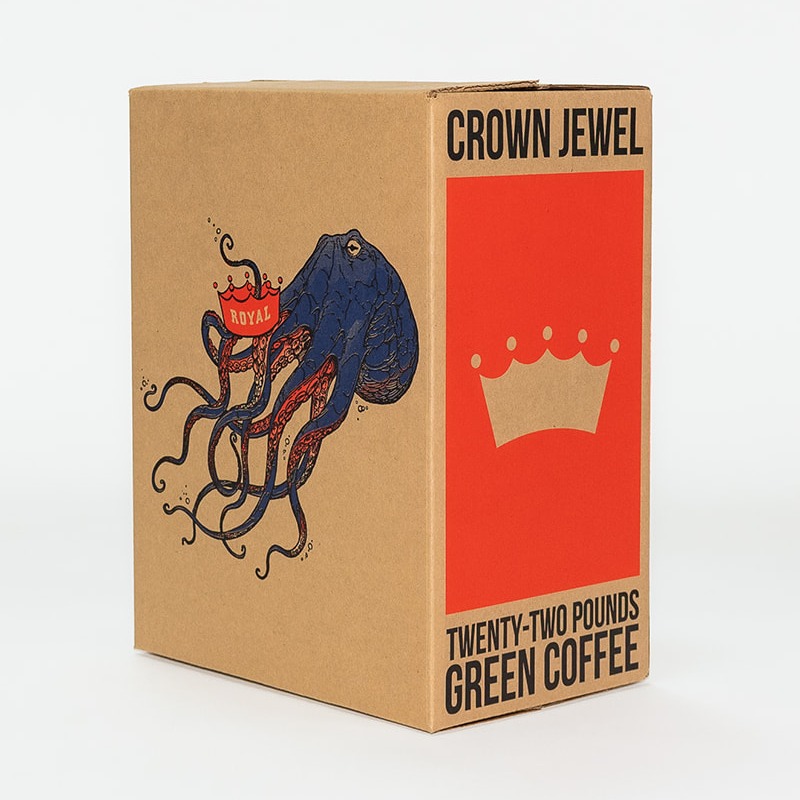
Crown Jewel Colombia Carbonic Honey Cascade Hop Co-Fermented Pink Bourbon Edwin Noreña
37702-1 – SPOT RCWHSE
Hops, lime, botanical, floral, and pink grapefruit
Spot
27 Boxes
$376.84 per box
Caramel, grape, jasmine tea, biscoff cookies, and melon
Oakland 7 Boxes
Crown Jewel Yemen Anaerobic Natural Sharqi Haraz Cooperative
37919-1 – SPOT RCWHSE
Caramel, grape, jasmine tea, biscoff cookies, and melon
Spot
7 Boxes
$685.69 per box

Green apple, jolly rancher, apple, mojito, apple cider
Oakland 21 Boxes
Crown Jewel Colombia Carbonic Honey Green Apple Co-Ferment Edwin Noreña
37710-1 – SPOT RCWHSE
Green apple, jolly rancher, apple, mojito, apple cider
Spot
21 Boxes
$434.39 per box

Orange, lemon, cranberry, vanilla, pear
Oakland 45 Boxes
Crown Jewel Rwanda Washed Jarama Kivubelt Estate
Lot 50 – 37912-1 – SPOT RCWHSE
Orange, lemon, cranberry, vanilla, pear
Spot
45 Boxes
$189.33 per box