
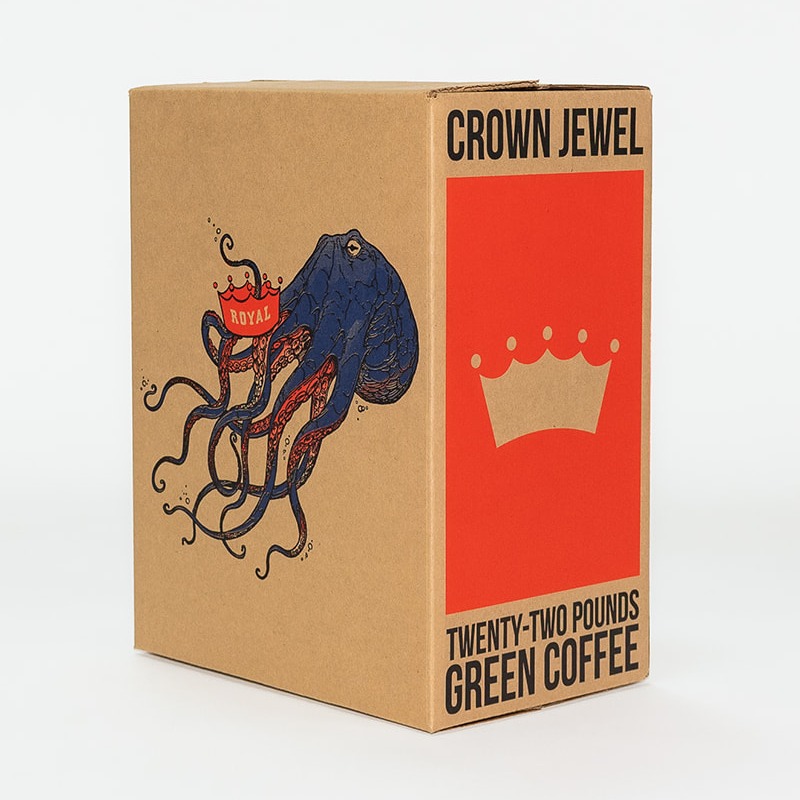
CROWN JEWEL ETHIOPIA ORGANIC DOUBLE WASHED DESTA GOLA GORBOTA VILLAGE
36396-1 – SPOT RCWHSE
Boxes 0
Warehouses Oakland
Flavor Profile Orange, peach, lime, lemon, and coriander
Check out our Guide to Ethiopian Coffee Grades
Out of stock

Overview
Overview
This is a moderate intervention, double washed coffee from the Gorbota village in Gedeo, Ethiopia, produced by farmer Desta Gola in association with the Adame Gorbota cooperative. It is certified organic.
The flavor profile is classically Yirgacheffe – expect florals like jasmine, honeysuckle and coriander, gentle fruits like orange-soda, canary melon, and hints of blueberry, and a toasted almond and French toast sweetness.
Our roasters found a touch more caramelization and duration in Maillard reactions resulted in clean complex cups, compared to faster, lighter styles of roasting.
When brewed, we liked pour-overs made with a conical brewer, finer grind, and low to moderate doses. We’ll be featuring the coffee as an espresso at The Crown, where brew specs within a few seconds and grams of yield range from clean and crisp to bright and floral.
Taste
Taste Analysis by Isabella Vitaliano
A delightfully straightforward take on a Yirgacheffe profile, the soft and distinct flavors present in this lot are ideal for batch brew, pour over, espresso… the works. It has the potential to work especially well on espresso with a chance to amp up flavors and bring out notes of blueberry jam, molasses, orange soda, jasmine and toasted almond. On the analysis Marie found even more notes of buttered toast, blackberry rock candy. A welcome embrace of citrus and brighten up the cup and blueberry and molasses created for a more rounded experience.
You won’t find the most exotic notes in this coffee but you will find the classics done well. On the brew analysis MJ and Josh leaned into a similar realm and got tasting notes like melon, coriander, cardamom, Arnold palmer and French toast.
For the fifth time Desta Gola has been showcased on the crown jewel menu. It’s pretty special to be able to get single farmer lots from Ethiopia. For a time, it was very difficult due to the ECX protocols put in place meant to prevent corruption along the supply chain. These protocols created homogenization of the coffee and lost the traceability down to single producers. Our eyes on the ground, Haile Andualem, has supported Royal year after year in organizing and sourcing some of the best Ethiopian coffees out there.
This no-frills, straight shooter coffee will be a crowd pleaser for every customer you could imagine. Happy cupping!
Source
Source Analysis by Mayra Orellana-Powell and Chris Kornman
This is coffee producer Desta Gola’s fifth consecutive appearance on the Crown Jewel menu, and it represents our only current crop traditionally washed coffee from Ethiopia for the season (our earlier offering from Sidama was airfreighted and is long since sold out).
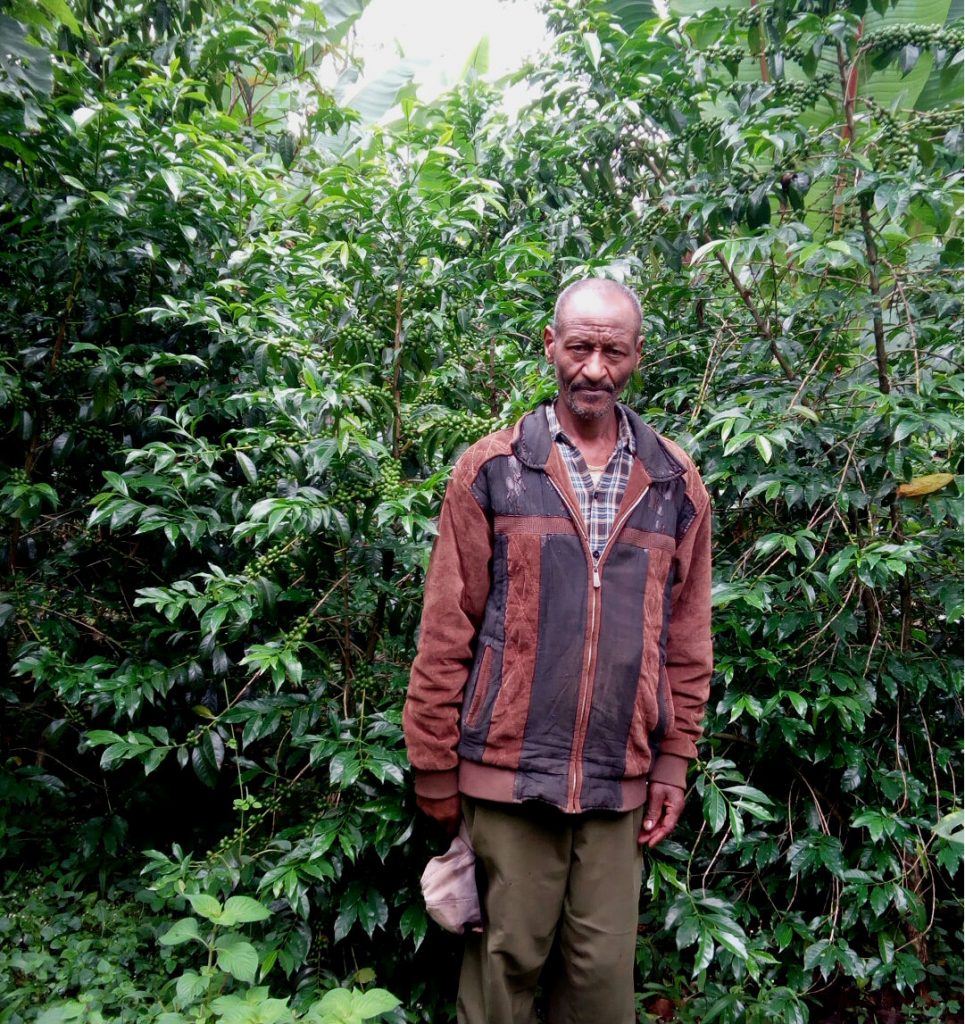
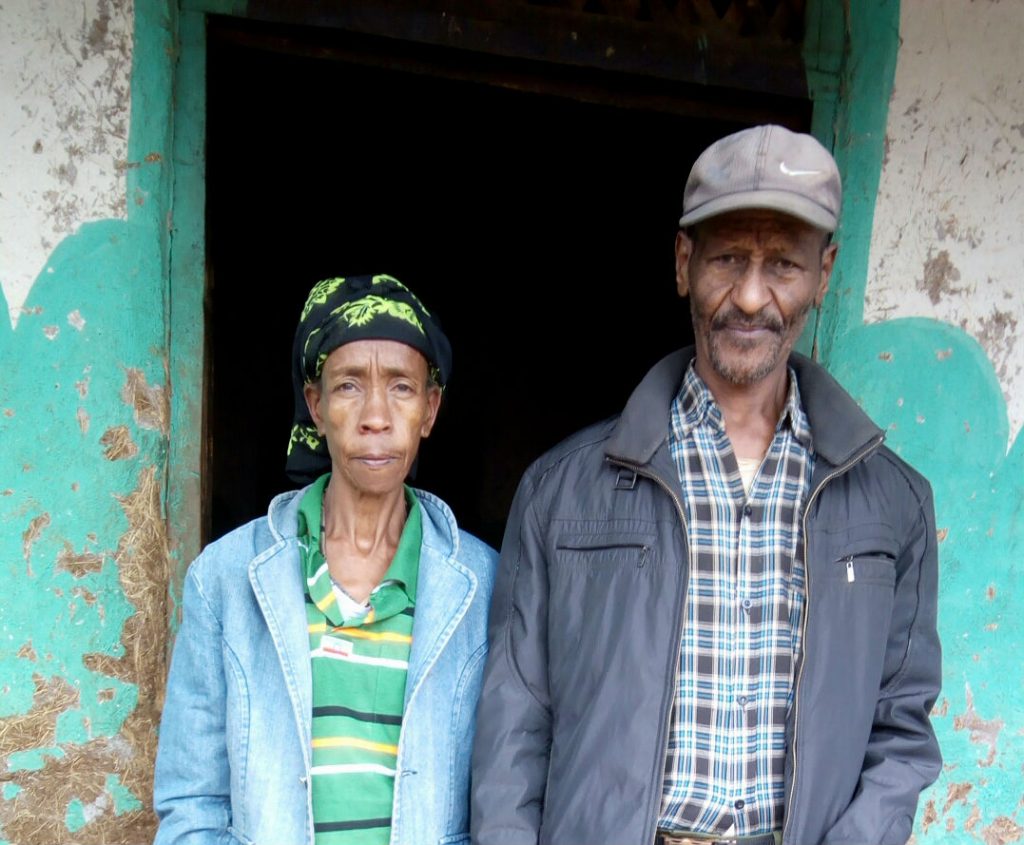
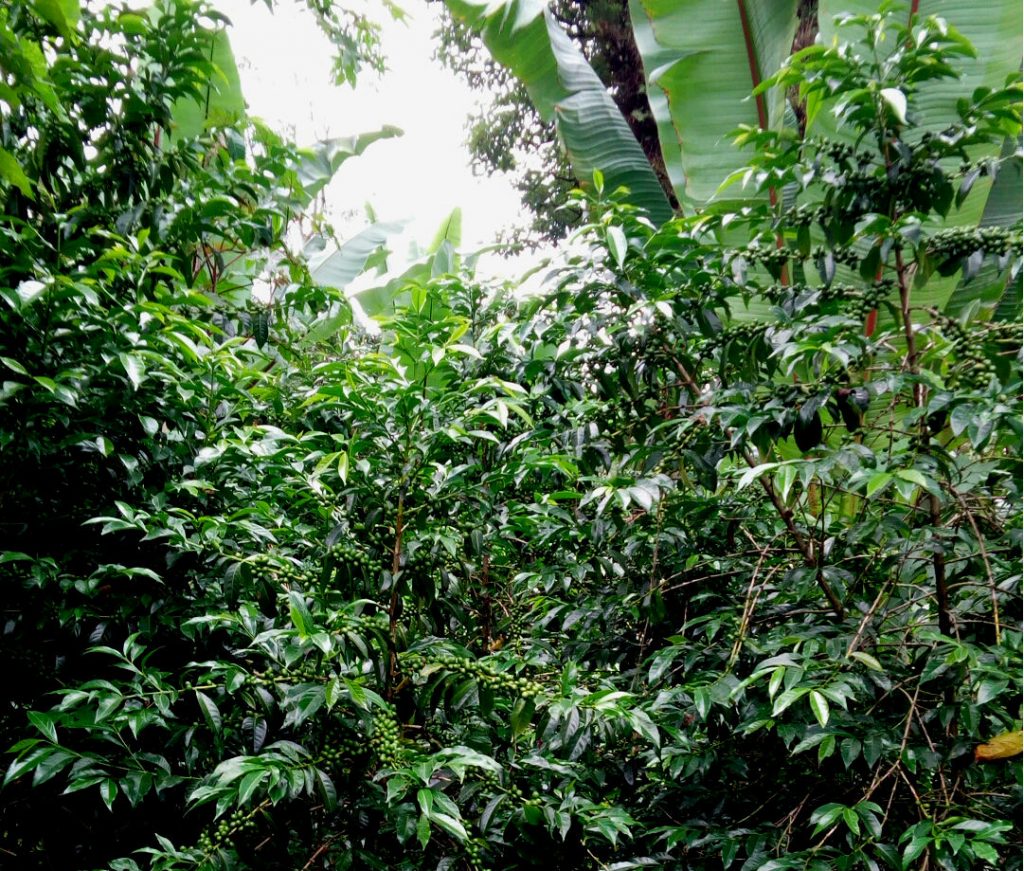
Returning to Royal with another amazing harvest, Desta Gola cultivated this lot on his 10-acre farm near the town of Gorbota located in the heart of the coveted Gedeo Zone. Desta has been cultivating coffee since 2013 and with the help of Royal and the cooperative union’s “Single Farmer” program he has been able to sell his coffee as a micro-lot in recent years.
The single-farmer model at cooperatives might seem counterintuitive. Many such organizations struggle to balance equitable distribution of funding to their membership with the ever-present demand of specialty coffee buyers for differentiated qualities and high degrees of traceability. In Ethiopia, this came to a head during the ten years of the ECX’s dominance in the marketplace, from 2008-2017.
The creation of the Ethiopian Commodity Exchange (ECX) in 2008 radically changed the way coffee was bought and sold in the country. Two key critiques of the exchange arose immediately from specialty coffee buyers. The first was that coffee sold at the ECX, while graded for both sensory and physical quality by ECX agents, could not be tasted by potential buyers prior to bidding. The second was related to loss of traceability. The ECX, far more concerned with efficiency than with the elevation, variety and farmer name of a particular lot of coffee, blended deliveries regionally by grade. The local ECX warehouses broke the supply chain between suppliers and exporters, such that it was no longer possible to guarantee coffee from a particular micro-region, estate, or washing station. To a degree, the old corruption in the supply chain had been stymied, but the cost was homogenization.
In response, Royal established the Single Farmer Lots Program to separate single farmer lots from the larger cooperative blends sold through the ECX. Annual farm visits from Royal CEO Max Nicholas-Fulmer and regular communication with farmers through Haile Andualem, Royal’s representative on the ground in Ethiopia, have been an essential component for ensuring that farmers and washing stations are following strict farm management and post-harvest protocols. The results have been increasing cup quality and higher returns for the individual producers that Royal has come to count on for great coffee year after year.
Coffee is Desta’s main source of income to support his wife and their nine children (6 girls and 3 boys). Ripe cherries for this washed processed coffee were taken to the Adame Garbota Cooperative where Desta is a member. At the cooperative the cherries are carefully hand sorted and floated to remove less dense coffee beans, then depulped, fermented for 48 hours, and washed and classified again in channels. The parchment is placed on raised beds where it is hand sorted again and dried over a period of 12 to 15 days. The parchment is often covered during the afternoons to prevent harsh drying in the intense sun. When the coffee reaches 11 percent moisture content, it is transported to Addis Ababa, the capital of Ethiopia, to be milled and prepared for export.
Green
Green Analysis by Isabella Vitaliano
Great work by Desta Gola and his team are shown through the cup as well as the specs. The moisture content is below average with below average water activity and high density. Because this coffee is on the dryer side, I would recommend watching out for using especially high heat as it might speed on through the drying portion of this coffee. A welcome addition to the Crown Jewel menu, we hope you love this lot from Desta as much as we do!
Loring
Loring S15 Falcon Analysis by Doris Garrido
In this analysis, I’m sharing the first approach taken by Chris Kornman of this coffee. During my time away Chris handled the roasting and profiled this tasty Ethiopia Desta Gola coffee, which is becoming our new offering on the Crown Jewel menu and at the espresso bar here at The Crown.
When I returned, the first thing I did was to cup the roast to prepare for this week’s production batches. Chris’s roast was delicate, floral, lemony, and juicy. Since it was intended for espresso, we decided to give the following batches a bit more body without removing the nice flavors.
The roasting was done on a 33 lb. Loring with batches of 18 lbs. 54.5% of the roaster capacity.
Chris charged the roast at 444F and did a little over a minute of soaking before adding power. He used 70% of the Loring power throughout the roast, gradually dropping the power in 10% increments to maintain a steady decline in the rate of change until first crack, finishing the roast at around 8:48 minutes. His breakdown was 4:02 minutes in drying, 3:18 in yellowing, and 1:28 in post-development, ending at 401F.
I found the floral notes and juicy acidity very appealing and didn’t want to lose them while aiming for more caramelization. My approach was to shorten the drying phase so I could push Maillard with higher temperatures and enhance caramelization while preserving the juiciness. I started the roast 10F higher and shortened the soak to just a few seconds before adding power, initially 80%, then switching to 100%. I began dropping the power as the color began changing, using 15-20% decrements while watching the rate of change to extend the caramelization before the coffee started cracking.
I extended yellowing by just a few seconds but with higher temperature, and continued caramelizing into post-development, adding a few seconds more to Chris’s post-development finishing at an end temperature of 405F just a bit higher. The total roast time was shortened by only 15 seconds.
On the cupping table, the coffee maintained its clean and tangy acidity, with notes of mango and berries, The higher caramelization brought out more sweetness -soft peach and candy caramel.
Though the floral notes were more present in the aroma than in the cup the coffee still delivered a beautifully balanced experience with soft peach, candy like caramel, and a tangy berry like acidity. Desta Gola continues to impress with its consistency and complexity; I look forward to refining the profile further to fully express its floral potential in future roasts.
Aillio
Aillio Bullet R1 IBTS Analysis by Evan Gilman
We use the RoasTime app and roast.world site to document our roasts on the Bullet. You can find our roast documentation below by searching on roast.world, or by clicking on the link below. Take a look at our roast profiles below, as they are constantly changing!
This coffee nearly got away from me, but I was able to roast it quickly (very quickly) before this writing. This classic washed coffee from Desta Gola has been on our radar for a few years now, and never fails to deliver. I did look back at some of my older roasts of this coffee (here and here if you’re interested), and wanted to take this coffee even faster than previous versions, with more airflow.
I started with 473F charge temperature, P9 power and F2 fan to really get things going. Not only that, I left P9 power cooking until yellowing, where I reduced to P8 and quickly thereafter to P7. I only ramped down power further after first crack. As for airflow, I increased to F3 at turning point, and then to F4 and F5 just after yellowing – something I usually reserve for later in the roast. Towards the end of the roast I hit F6 as the rate of change began a small increase. Pretty simple, pretty fast.
The results in the cup were sound. I cupped this coffee incredibly soon after roasting, which is usually not my practice. What came through was bright herbals and a nice, sweet, peachy finish. I remember more of a lemon curd note in this coffee, and that may come through in more even-handed roasts and after resting. But fresh off the roast, expect thyme, sage, stone fruit, and caramel. This year’s crop marches to the beat of a different drum, but again: a true classic!
You can follow along with my roast here at roast.world: https://roast.world/egilman/roasts/GdGSLIh5ZMCjV4eA47gCy
IKAWa
Ikawa Pro V3 Analysis by Isabella Vitaliano
Our current Ikawa practice compares two sample roast profiles, originally designed for different densities of green coffee. The two roasts differ slightly in total length, charge temperature, and time spent between color change in first crack. You can learn more about the profiles here.
On the nose both coffees felt very similar to one another but expressed a bit differently on the cup. The high density coffee has a lot orange, guava and lemon flavors. What strikes me about this roast is that the texture is so interesting, so compelling and the sweetness resembles a vanilla or almond milk type note.
On the light density roast there is lots of almond butter, cacao nibs and unsweetened dark chocolate. Hovering above these notes are rose, raspberry, blackberry and a touch of lemon.
Comparing these too felt difficult. The light density roast feels more of a crowd pleaser and the high density roast is closer to a brighter roast, a little bit more show-stopping. I recommend trying the high density roast first and if it is not your preferred flavor combination go ahead and try the light density.
You can roast your own by linking to our profiles in the Ikawa Pro app here:
- Roast 1: Low Density Sample Roast
- Roast 2: High Density Sample Roast
Brew
Brew Analysis by Joshua Wismans
Desta Gola has been a staple of our Crown Jewel menu for a number of years. His work has always been excellent and consistent. This year is obviously no exception. What’s beautiful about this relationship though is each year reveals the variable nature of coffee harvest. Always full of delicioius florals and citrus, this real revealed a sweetness that we leaned into for a lot of our brews. This coffee was also a bit less soluble than years past, allowing us to grind finer and explore a different dimension of Ethiopian coffee.
Our first profile, ground fairly fine, brought out the more delicate nature of Ethiopian coffees. Orange blossom and green tee were complimented by melon and bergamot. This year, we found the Hario V60 worked well, allowing for a crisper flavor profile. With the finer grind, and a moderate dose, the TDS was still right in the middle at 1.36. In years past, this profile would have been bitter and over-extracted. This year, it was subtle and delightful.
Our second brew profile for this brought our dose down and made the grind finer. This allowed us to squeeze the coffee a bit more. Also brewed with the V60, this TDS was almost the same, but had a higher extraction percentage. The resulting cup was one of the sweetest Ethiopian brews I’ve had. There was still plenty of florals, but instead of a brighter citrus, there was an incredible caramel and dried fruit sweetness.
The coffee this year reminds us that we should embrace things as they change, meeting them where they’re at rather than forcing them into our preexisting notions. This coffee is less soluble this year, allowing an exploration of finer grind settings that highlight the delicate nature and sweetness in new ways.
Look to use a conical brewer, finer grind, and low to moderate doses to bring the most out of this coffee.
Espresso
Espresso Analysis by Marie de Courcy
This Ethiopian coffee from Desta Gola has been noted to be Royal’s only traditionally washed crop of the season. This coffee is a perfect example of why sometimes it’s great to stick to what we know and expect from certain coffees; bright berry and citrus notes, delicate florals, caramel sugary sweetness, and mild juicy body really remind you of what it was like to taste Ethiopian coffee for the first time. There’s plenty of room to explore but leaning into the traditionally characteristic profiles of Ethiopian coffee really make for great shots of espresso with this coffee.
The first recipe used a dose of 19.5g, had a 37g yield and 27 second extraction time. This shot was full bodied, lightly rich and syrupy, with plenty of brightness to spare. Notes of blueberry jam, almond butter, molasses and orange zest were present. This was a fairly traditional ratio and it produced fairly traditional flavors.
The second recipe used a dose of 19.5g, had a 44g yield and 32 second extraction time. This recipe played with body a bit more, creating a juicier shot while still retaining some savory notes and good texture. Notes of orange soda, jasmine flower, toasted almond and rock candy were present. This recipe leans into trying to highlight the more delicate flavors of the coffee.
Overall this coffee is delightful, exactly what one would expect from a double washed Ethiopian coffee. Berry sweetness, bright citrus and floral notes, with mild nutty savory notes create wonderful shots of espresso. For a more traditional profile, go a bit heavier on the dose with a evenly ratioed yield. For something a bit juicier and delicate keep your dose the same and raise the yield. Sometimes it’s refreshing to taste something that doesn’t venture too far from what one would expect of it, reminding you where it all started.
Related Coffee

Orange, lemon, cranberry, vanilla, pear
Oakland 45 Boxes
Crown Jewel Rwanda Washed Jarama Kivubelt Estate
Lot 50 – 37912-1 – SPOT RCWHSE
Orange, lemon, cranberry, vanilla, pear
Spot
45 Boxes
$189.33 per box
Hops, lime, botanical, floral, and pink grapefruit
Oakland 27 Boxes
Crown Jewel Colombia Carbonic Honey Cascade Hop Co-Fermented Pink Bourbon Edwin Noreña
37702-1 – SPOT RCWHSE
Hops, lime, botanical, floral, and pink grapefruit
Spot
27 Boxes
$376.84 per box
Caramel, grape, jasmine tea, biscoff cookies, and melon
Oakland 7 Boxes
Crown Jewel Yemen Anaerobic Natural Sharqi Haraz Cooperative
37919-1 – SPOT RCWHSE
Caramel, grape, jasmine tea, biscoff cookies, and melon
Spot
7 Boxes
$685.69 per box

Green apple, jolly rancher, apple, mojito, apple cider
Oakland 21 Boxes
Crown Jewel Colombia Carbonic Honey Green Apple Co-Ferment Edwin Noreña
37710-1 – SPOT RCWHSE
Green apple, jolly rancher, apple, mojito, apple cider
Spot
21 Boxes
$434.39 per box