
- For online orders all products must come from the same warehouse.
Crown Jewel Colombia Carbonic Honey Green Apple Co-Ferment Edwin Noreña
37710-1 – SPOT RCWHSE$434.39 per box
Boxes 21
Warehouses Oakland
Flavor Profile Green apple, jolly rancher, apple, mojito, apple cider
Add to your artisan.plus account: 
 Printer Friendly PDF
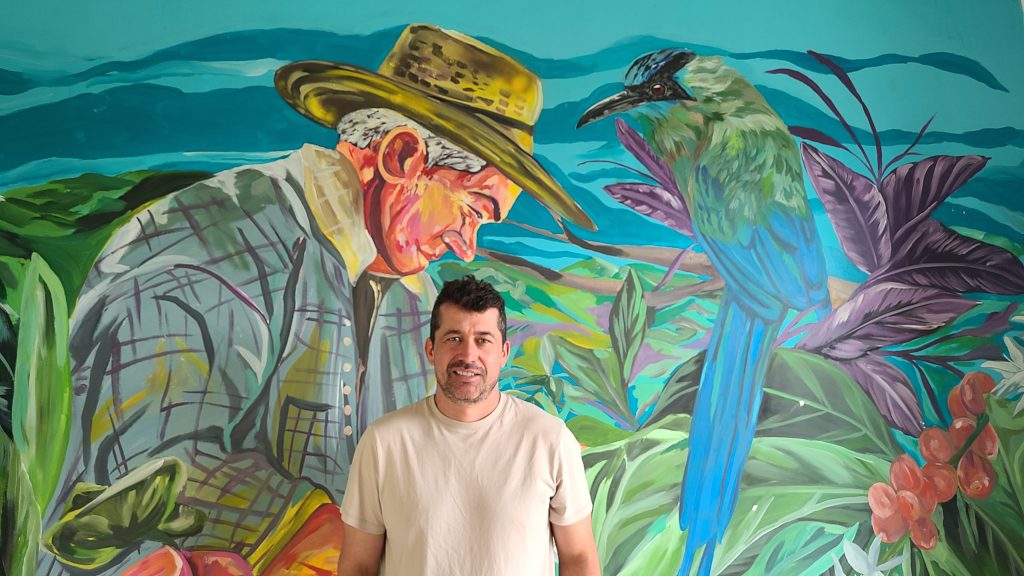
Edwin Noreña is one of Colombia’s true processing obsessives.
22lb Boxes
Spot


Overview
Overview
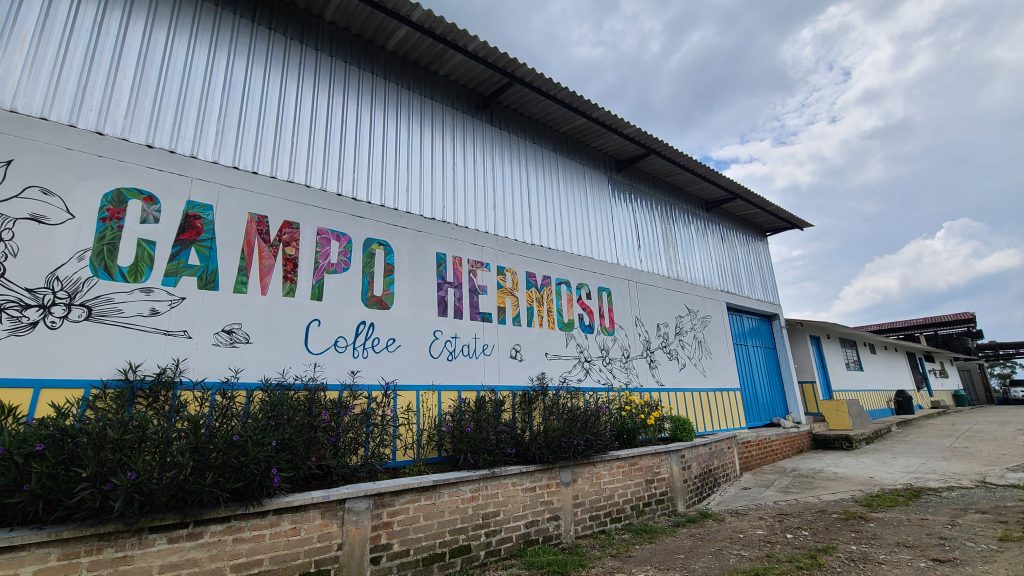
This is a high intervention carbonic honey process coffee, co-fermented with apples, by producer Edwin Noreña on his farm, Finca Campo Hermoso located in Quindío, Colombia.
The flavor profile is juicy, sweet, and candy-like. It almost exactly resembles a green apple jolly rancher, with hints of cider, caramel, mojito, and green tea.
Our roasters preferred longer drying and Maillard stages, and noted the appearance of first crack preceded the audible pops.
When brewed, we liked pour-overs with high doses and quick brew times to accentuate the coffee’s sweetness, using a conical brewer for a cleaner cup or a flat-bottomed filter for more density.
Taste
Taste Analysis by Chris Kornman
As an April Fool’s prank, when I was a young production roaster, a coworker drafted and anonymously sent a cease-and-desist letter, supposedly from The Hershey Company, to the quality control department, demanding the removal of a tasting note from one of our coffee bags. The flavor in question? Green Apple Jolly Rancher. The roasting team had a good laugh at the QC department’s expense.
If you’re among those prone to using candy metaphors in your coffee tasting experiences, be prepared to have your jaw drop to the floor, because this coffee is nothing short of a replica (in hot, caffeinated form) of the essence of the Green Apple Jolly Rancher. Dear Hershey’s, please don’t sue us or Edwin.
There are other tasting notes here, sure. Do they matter? Probably not as much as the enormous phrase dominating the word cloud infographic. Are they mostly apple related? Absolutely they are. Cider is here, as is the caramel-covered variety. Someone clever noted tartaric acid, very academic. Green apple’s commanding presence notwithstanding, there is plenty of complexity here, from flavors of mojito to the sweetness of confectionary sugar to hints of green tea.
Know someone who’s been using that jolly rancher flavor note a little too frequently? Drop a pour-over of this bad boy in front of them and watch them turn green with envy.
Source
Source Analysis by Charlie Habegger
Edwin Noreña is one of Colombia’s true processing obsessives. Known among friends as “El Alquimista” (the alchemist), Edwin has dialed in a wide repertoire of fermentation profiles, often using multiple fermentations in sequence to achieve a desired expression. This honey process microlot was made possible using two careful and distinct full cherry fermentations, the second of which was heavily fortified and infused. The result is a sparkling cup with flavors of citrus soda, lychee, sweetened matcha, and strawberry icing. It’s tart, richly sweet, and with a bit of a greenish bite—lots of personality, lots of energy.
Quindío Department and Finca Campo Hermoso
For such a naturally gifted department as Quindío, it tends to receive less recognition than others for its coffee. Quindío is Colombia’s second-smallest department by size, making up only about 0.2% of the national territory. It’s location, however, right on the central cordillera of Colombia’s vast Andes divide, and centrally between the country’s largest and most influential cities (Bogotá, Medellín, and Cali), give it a high volume of tourist traffic, coffee industry, airline commuters, and idyllic getaways in the form of brightly painted mountain towns, natural reserves, and high elevation tropical landscapes throughout. Almost the entire department is mountainous, its lowest elevations still over 1000 meters, and many parts are dense with coffee plantations, from the small to the large and ambitious.
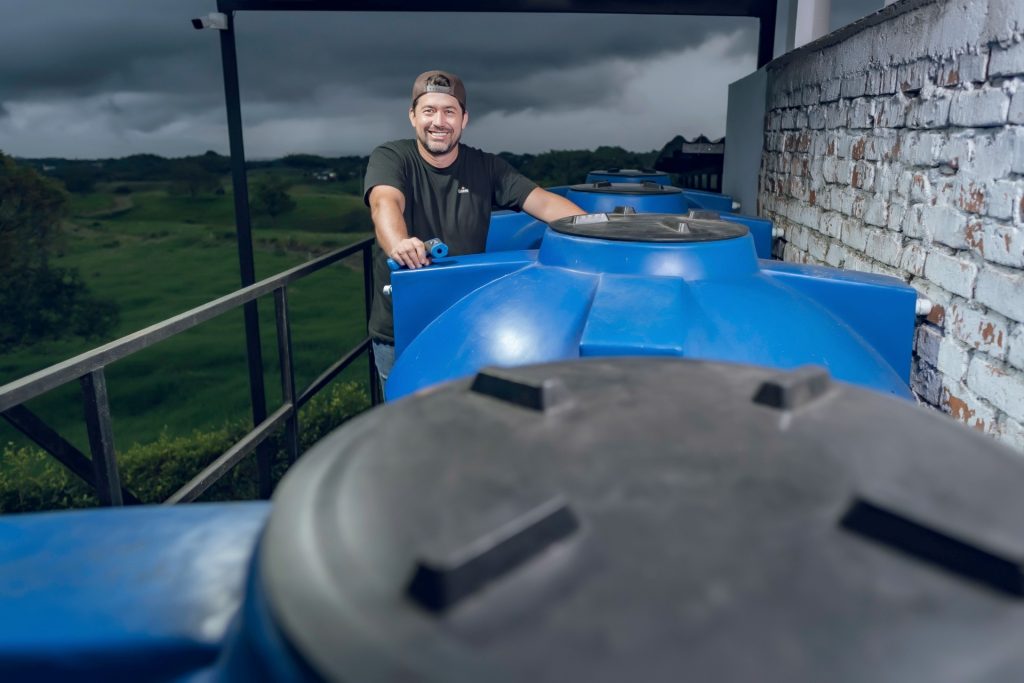
Finca Campo Hermoso is a 15-hectare farm outside of Circasia, only a few kilometers north of Quindío’s capital city, Armenia. Its owner, Edwin Noreña, is an agroindustrial engineer by trade with graduate-level studies in biotechnology. Edwin is a well-connected and highly aspirational coffee producer who focuses on pairing very specific cultivars with very specific processing methods designed to express the most surprising, memorable, and delicious coffees possible within his resources. Finca Campo Hermoso concentrates on growing a wide variety of coffee genetics, including pink bourbon, yellow bourbon, yellow caturra, bourbon sidra, gesha, and Cenicafé 1, a resistant hybrid developed by Cenicafé, Colombia’s national coffee research institute. The resulting coffees are often marketed under “El Alquimista”, Edwin’s personal brand for his microlots, which have featured in barista competitions and choosy roasters around the world (and Royal Coffee’s own inventory on an annual basis).
Processing, particularly the fermentation step, always interested Edwin because of its potential to transform raw coffee seeds into a remarkably unique sensory experience for coffee drinkers. A breakthrough moment for him was realizing that the sugary, residual liquid produced during the fruit fermentation (known as the in winemaking) could be used again in subsequent fermentations to add natural sugars, and also serve as a solvent for flavoring agents. Over the years Edwin has co-fermented with chilis, ginger, brewers hops, and, in this case dehydrated fruit, to develop unique flavors in his microlots.
Green Apple Mossto Co-Fermented Process
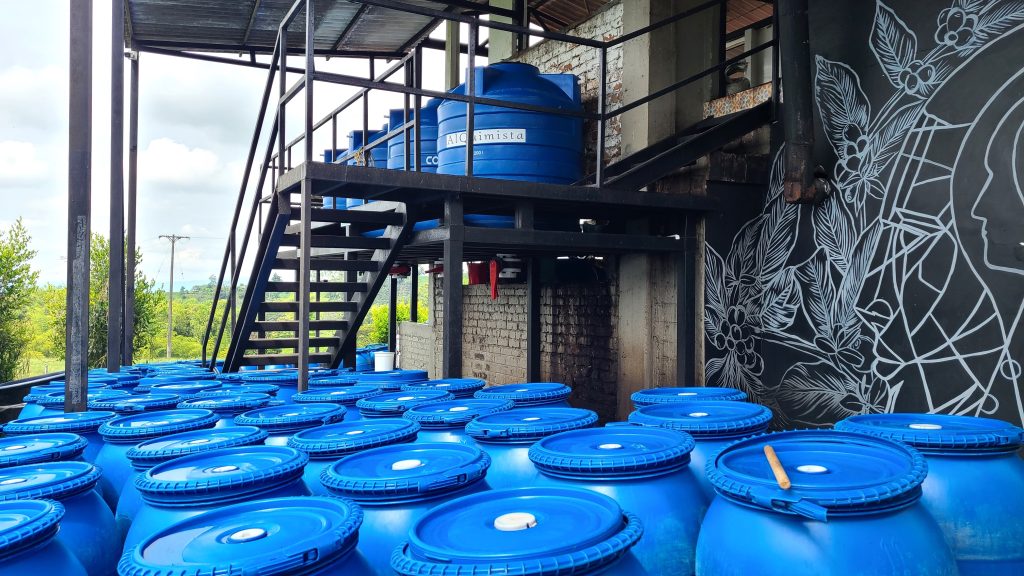
You know you’re writing about a complicated process when you need to start with an abstract. Here goes. Edwin’s processing for this particular lot involved two distinct whole cherry fermentations, both of which were oxigen-deprived to different degrees. The final fermentation was of the depulped parchment, accompanied by a carefully formulated solution of coffee cherry must (a biproduct of the first fermentation) pure glucose, dried fruit and fresh fruit pulp. Finally, the parchment is moved, un-washed, immediately to raised screen beds to dry, just like a traditional honey would be. Each stage adds a particular bit of uniqueness to the final coffee, so that by the end the coffee is truly one of a kind in the world.
The first two fermentation in this case were with fresh coffee cherry only, carefully hand-sorted for ripeness and consistency, and washed clean. The first fermentation was anaerobic, for 24 hours. The second was fully oxygen-deprived, also known as “carbonic maceration”, and lasted for 48 hours. During fermentations like these the coffee fruit becomes dramatically softer, sweeter, and more acetic, while also leaching out a concentrated sticky, sugary runoff—the mossto, not unlike the must from freshly smashed grapes and skins in winemaking.
After these first fermentations were complete, the fermented cherry was separated from its must and depulped. The must was then fermented on its own, along with brewer’s yeast to inoculate the process and ample quantities of both pure glucose (sugar solution) and fruit juices. The fermented and flavored must was then mixed into the fermentation tank with the parchment coffee, comprising about 30% of the mixture. This final blended co-fermentation lasted 72 hours.
Green
Green Analysis by Chris Kornman
More rounded in shape than some of the counterpart coffees from Campo Hermoso this year, there’s also a fair amount of color variation, not uncommon to unusual processing methods but something to keep in mind. The screen size is fairly wide but generally clocks in at 16+ and the coffee’s modest density is accompanied by slightly elevated moisture content and a fairly high water activity. As always, keeping the beans in the Ecotact bags and re-sinching the sack if you don’t use the whole thing is a good idea, though I don’t expect coferments to fade the way regular coffees can. A gentle touch in the roaster won’t hurt, either.
Diedrich
Diedrich IR5 Analysis by Doris Garrido
This Colombia Quindío Apple Mosto Co-fermented coffee is another Caturra from Finca Campo Hermoso, once again from our favorite producer Edwin Norena.
This coffee also showed low density and average moisture. Having roasted previously co-fermented Caturra, I decided to take a similar approach.
I used slow drying, kept the highest heat for around 4 minutes, and stretched the Maillard phase as much as possible.
So, I preheated the drum to 395F and loaded it with coffee. After a minute and a half into the roast, I cranked the gas to 100% and let it work its magic for about 3:30 minutes. I dropped the gas to 30% at the 5-minute mark, just a few seconds past color change, which I marked at 288F.
At this point as I entered the yellowing phase, I used full airflow starting at 5:34 to slow down the roast to stretch the roast a bit.
The coffee started cracking at 9 minutes, at a temperature of 385F. With the remaining energy, I developed the coffee for a minute and 34 seconds.
On his coffee we tasted notes of green apple, green tea, mojito overripe fruits, and toned-down tartaric acidity. It was also very citrusy which gave me a complex mouthfeel finish. And an overall applesauce-like character. A very pleasant coffee that showcased different modalities of apple notes reflecting the nature of the coffee and the intentional fermentation process
Aillio
Brew
Brew Analysis by Marie de Courcy
It’s always a pleasure getting to taste Edwin Norenas’ coffees. We’re big fans of him here in the cafe and I feel his work is truly something to be celebrated every time we get them here at The Crown. This green apple coferment is wonderful, full of complexity, depth of flavor, and sweet aromatics. You can really get a lot out of this coffee, so don’t be shy about playing around with different recipes.
My first recipe was brewed on V60, used a dose of 20g ground at 10 on the EKS43. This cup was bright, juicy, extremely aromatic and not too delicate. I tasted violet flowers, hazy ipa, caramel apple, and green tea. The mouthfeel was juicy and it smelled amazing, like green apple candy. I made a second recipe on the V60, with the same dose but ground a little finer at 9. I found this to make the cup much sweeter, with heavier body and still retaining those delicate florals.
I did a few brews on the Kalita Wave, the first using a 19g dose ground at 9. This brew was a little muddy and mild but still brought out some interesting complexity. Notes of shishito, tequila, toasted almond and apple cider made this cup interesting to sink into even if it was fairly mild. I found that brewing on the Kalita seemed to bring out the vegetal and perfumey nature of this coffee. I made another brew with a recipe of 21g still ground at 9, and it extracted much more sweet and familiar flavors. I tasted watermelon candy, butter toast, crabapple and tonic water.
As with many co-fermented coffees, brew times are very fast with this one. I found that dosing up seems to bring out some of its sweeter flavors. This Colombian coffee is full of complexity, soft florals, bright fruit, and boozy undertones make for really interesting cups of coffee depending on how you decide to brew. I’d recommend using a V60 if you want a “clean”, sweet cup with pleasant floral notes. If you want to lean into the more perfumey, vegetal, boozy notes you can get out of this coffee use the Kalita Wave and dose high.
Related Coffee
Hops, lime, botanical, floral, and pink grapefruit
Oakland 27 Boxes
Crown Jewel Colombia Carbonic Honey Cascade Hop Co-Fermented Pink Bourbon Edwin Noreña
37702-1 – SPOT RCWHSE
Hops, lime, botanical, floral, and pink grapefruit
Spot
27 Boxes
$376.84 per box
Peach, jasmine, peach black tea, grapefruit, and peach nectar
Oakland 49 Boxes
Crown Jewel Colombia Carbonic Honey Peach Co-Ferment Edwin Noreña
37701-1 – SPOT RCWHSE
Peach, jasmine, peach black tea, grapefruit, and peach nectar
Spot
49 Boxes
$376.84 per box
Caramel, grape, jasmine tea, biscoff cookies, and melon
Oakland 7 Boxes
Crown Jewel Yemen Anaerobic Natural Sharqi Haraz Cooperative
37919-1 – SPOT RCWHSE
Caramel, grape, jasmine tea, biscoff cookies, and melon
Spot
7 Boxes
$685.69 per box

Orange, lemon, cranberry, vanilla, pear
Oakland 45 Boxes
Crown Jewel Rwanda Washed Jarama Kivubelt Estate
Lot 50 – 37912-1 – SPOT RCWHSE
Orange, lemon, cranberry, vanilla, pear
Spot
45 Boxes
$189.33 per box