
- For online orders all products must come from the same warehouse.
Guatemala Atitlan Finca Santo Tomas SHB
38945 – Ecotact Bags – March 2026 Shipment – RCWHSE
Bags 275
Warehouses Oakland


Grower
Finca Santo Tomas Perdido | Jorge and Javier Torrebiarte

Altitude
950 - 1600 masl

Variety
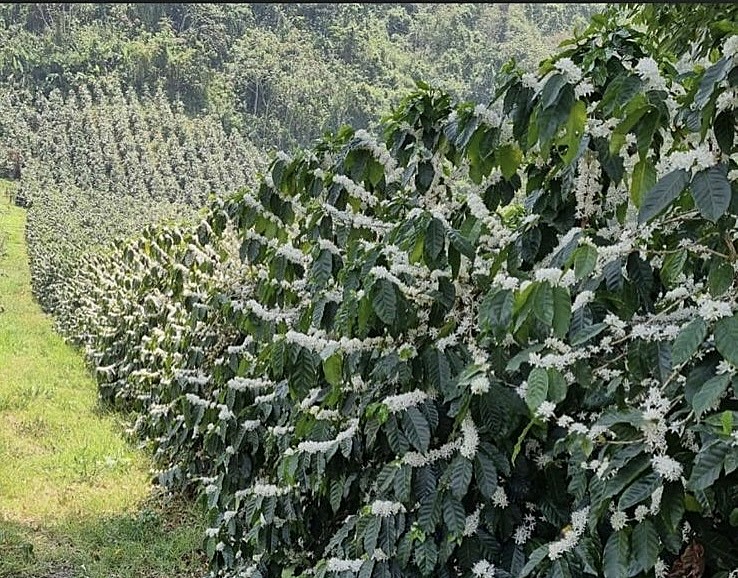
Caturra, Catimor, Obatá, and Sarchimor

Soil
Volcanic loam

Region
San Lucas Toliman, Department Solola, Guatemala

Process
Washed

Harvest
September - January

Certification
Conventional
Sourcing Details
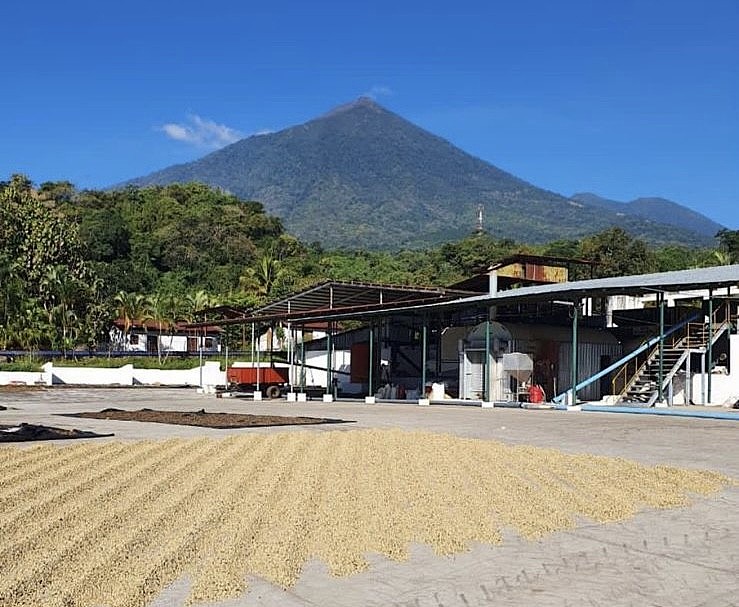
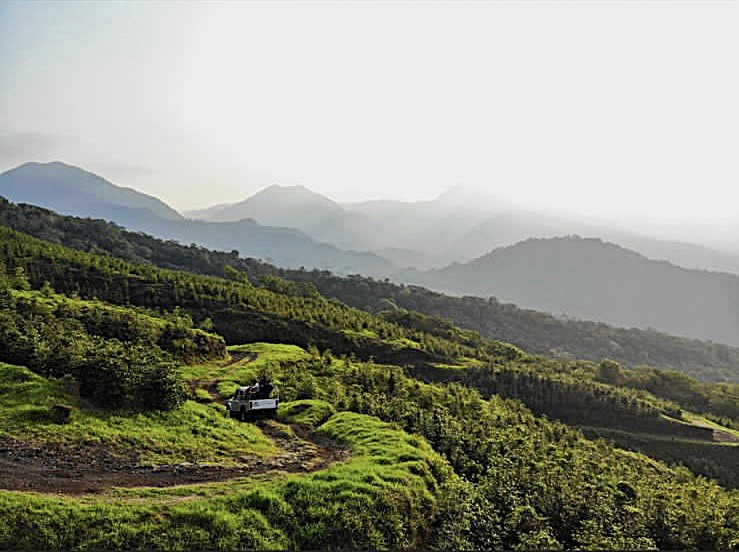
Lake Atitlan is likely one of the most iconic landmarks in Guatemala. If you take your eye off the shimmering beauty of the lake for a moment, you may notice the coffee plants growing on the surrounding mountains. Santo Tomas Perdido, a 1000 hectares estate, has been part of that mountain landscape for three generations of the Torrebiarte family. The majesty of the estate has a story to match. It is said that the apostles were directed to meet in the most beautiful place on earth and when they arrived at Lake Atitlan they could not find Thomas (the lost saint). Eventually he was found at the location of the estate and when asked why he was there he replied that it was the most beautiful place on earth where they had agreed to meet. Three generations of the Torrebiate family could not agree more. Today, Jorge and Javier, who are brothers and the newest generation of the Torrebiarte family, manage the estate.
Processing Details
In addition to implementing the renovations that have taken Santo Tomas Perdido to a new level, the Torrebiarte brothers also have all of the tools to manage the entire post harvest details. Cherries meticulously selected based on ripeness are transported to the mill where they are sorted, depulped, fermented, washed and mechanically dried.
Exporting Details
Dried parchment is transported to a dry mill in Guatemala City managed by los Volcanes Coffee, which partners with the Torrebiarte family to ensure quality control and traceability. Mild weather in Guatemala City provides ideal conditions for storing parchment in the warehouse until it is time to export. The mill is equipped with multiple pieces of equipment to sort green coffee typical in most dry mills, such as gravity beds, screens and electronic eyes.
Related Coffee
Lemon, nougat, milk chocolate
Oakland 185 Bags
Lemon, nougat, milk chocolate
Spot
185 Bags
$5.71 per pound
Strawberry, floral, peanut, chocolate
Oakland 32 Bags
Strawberry, floral, peanut, chocolate
Spot
32 Bags
$5.71 per pound

Persimmon, apple juice, cashew butter, tomato, cocoa
Oakland 291 Bags
UGANDA ORGANIC
38141 – Ecotact Bags – SPOT RCWHSE
Persimmon, apple juice, cashew butter, tomato, cocoa
Spot
291 Bags
$5.21 per pound
Melon, chocolate, clean
Oakland 262 Bags
UGANDA ORGANIC SIPI FALLS
35184 – GrainPro Bags – SPOT RCWHSE
Melon, chocolate, clean
Spot
262 Bags
$5.71 per pound