
Ethiopia Guji 3 Natural
37275 – Ecotact Bags – SPOT RCWHSEStaff Pick
$4.83 per pound
Bags 123
Warehouses Oakland
Flavor Profile Orange zest, cola, peach, nougat, floral, chocolate
Check out our Guide to Ethiopian Coffee Grades
Add to your artisan.plus account: 
 Printer Friendly PDF
Royal buys grade 3 naturals from Guji for their balanced character that typically includes dried fruit flavors, creamy textures, earth and chocolate, along with a typically great price point relative to other regions in southern Ethiopia.
132.67lb Bags
Spot
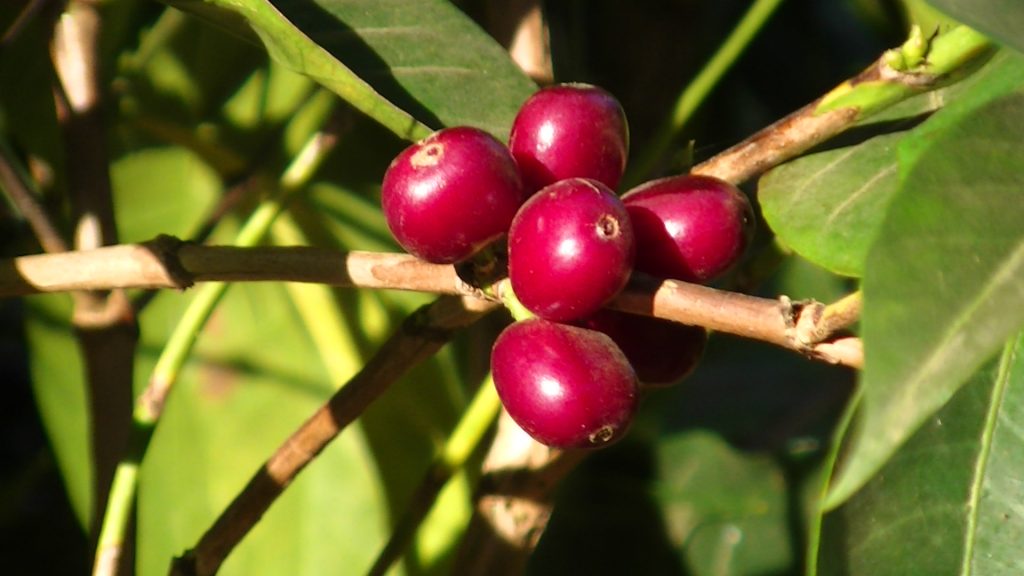

Grower
Smallholder farmers and/or large private estates

Altitude
1800 – 2200 masl

Variety
Regional landraces and local heirloom cultivars

Soil
Vertisol

Region
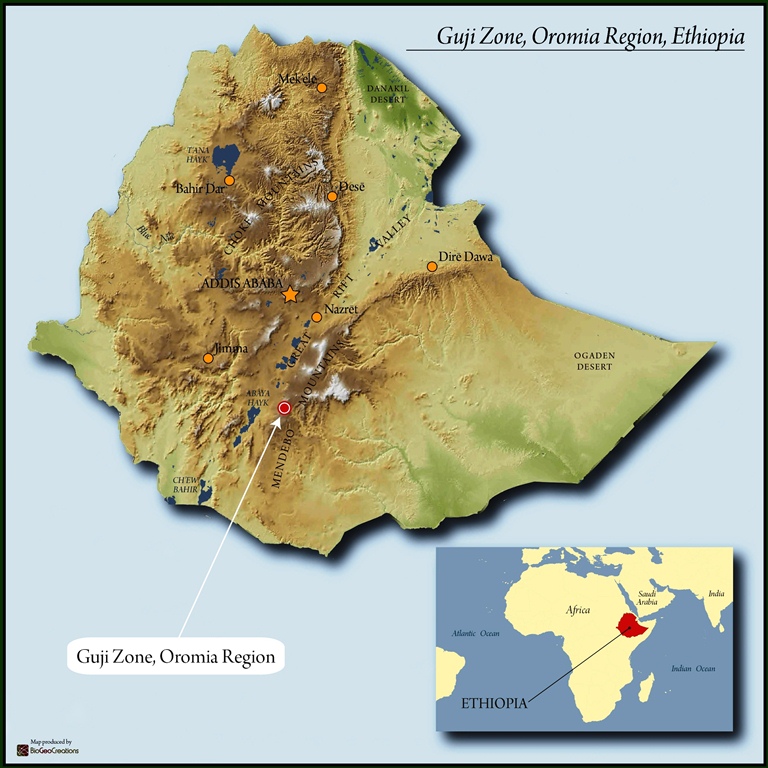
Guji Zone, Oromia Region, Ethiopia

Process
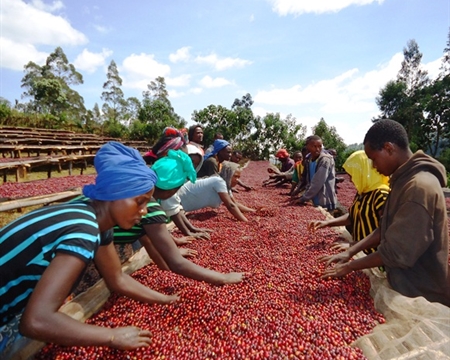
Full natural and dried on raised beds

Harvest
October – February

Certification
Conventional
Royal buys grade 3 naturals from Guji for their balanced character that typically includes dried fruit flavors, creamy textures, earth and chocolate, along with a typically great price point relative to other regions in southern Ethiopia. Grade 3 naturals are sourced from central processing sites, large estates, and often a combination of the two, in which “outgrowers”, or local smallholders, sell to large estates who process cherry on site.
Brief History & Flavor Profile
Ethiopia’s Guji zone is a distant and heavily forested swath of land stretching southeast through the lower corner of the massive Oromia region. Guji is heavy with primary forest thanks to the Guji tribe, a part of Ethiopia’s vast and diverse Oromo nation, who have for generations organized and legislated to reduce mining and logging outfits in their area, in a struggle to conserve the land’s sacred canopy.
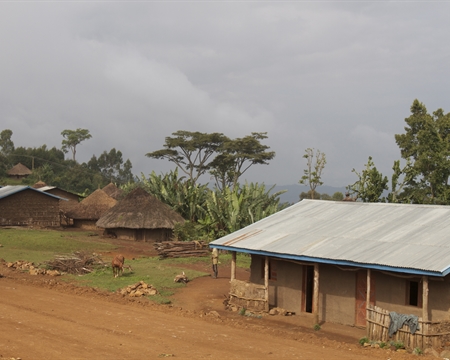
Compared to other coffee-heavy regions, large parts of Guji feel like prehistoric backwoods. Coffee farms in many parts of Guji begin at 2000 meters in elevation and tend to climb from there. The highland farming communities in this part of the country can be at turns Edenic in their natural purity, and startlingly remote.
Processing Detail & Quality Control
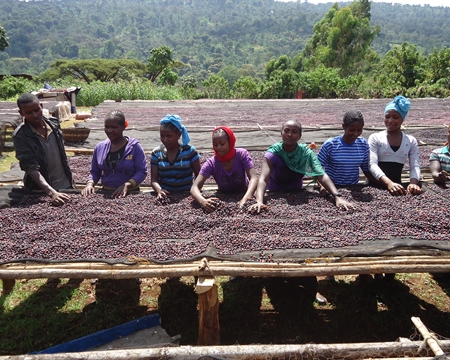
Cherry is received at all times during the long harvest days. Once received, cherries are sorted for ripeness and consistency and moved directly to raised drying tables where they are spread in a single layer to dry in the sun. The full drying process normally takes 3-6 weeks depending on the local climate at the time, and the final resting moisture content of the fruit is 11.5%.
Once cherries have been thoroughly dried and rested, the dried fruit is hulled from the coffee seed in local mills, and then transferred to Addis Ababa, Ethiopia’s capital. In Addis the coffee is dry-milled by exporters who use modern color sorting equipment and often fleets of trained workers who repeatedly hand-sort the coffee to the correct grade for export.
Related Coffee
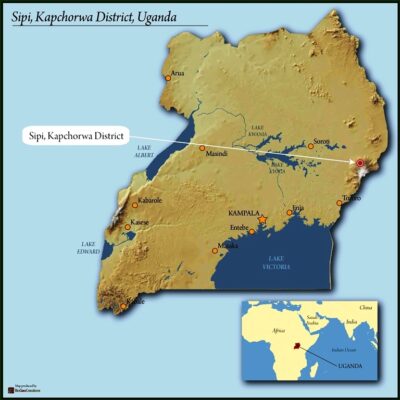
Lemon, nougat, milk chocolate
Oakland 185 Bags
Lemon, nougat, milk chocolate
Spot
185 Bags
$5.71 per pound
Strawberry, floral, peanut, chocolate
Oakland 32 Bags
Strawberry, floral, peanut, chocolate
Spot
32 Bags
$5.71 per pound
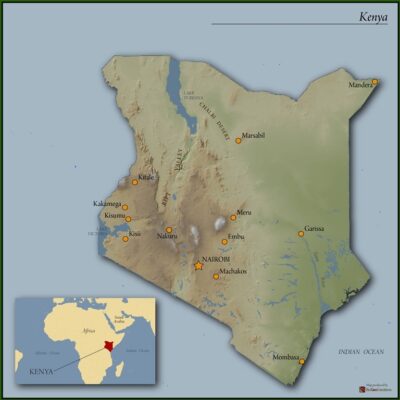
Grapefruit, plum, herbaceous, chocolate
Oakland 263 Bags
Grapefruit, plum, herbaceous, chocolate
Spot
263 Bags
$5.95 per pound
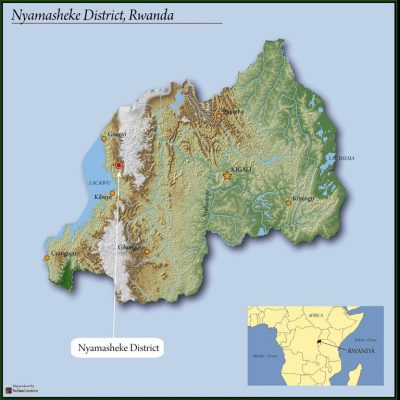
Orange, plum, dried cherry, brown sugar, chocolate
Oakland 1 Bag
Rwanda Nyamasheke Jarama Kivubelt Rugaragara People’s Farm
Lot 45 – 37910 – GrainPro Bags – SPOT RCWHSE
Staff Pick
Orange, plum, dried cherry, brown sugar, chocolate
Spot
1 Bag
$5.99 per pound