
Ethiopia Guji 1 Supernatural Hambela Buku Sayasa
39071 – GrainPro Bags – December 2025 Shipment – SHANGHAI
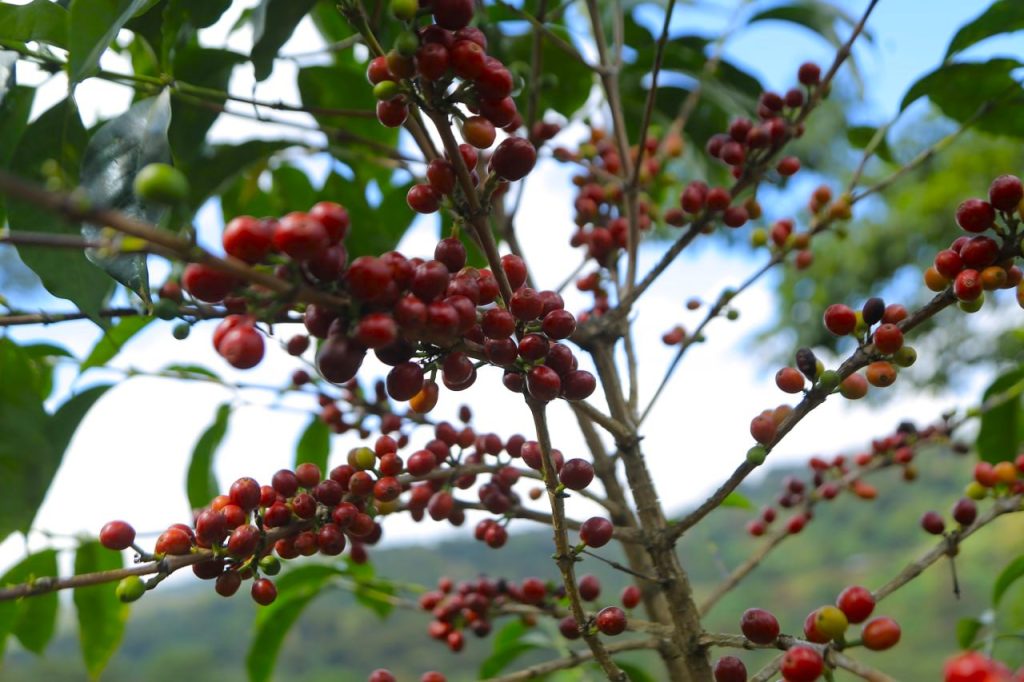

Grower
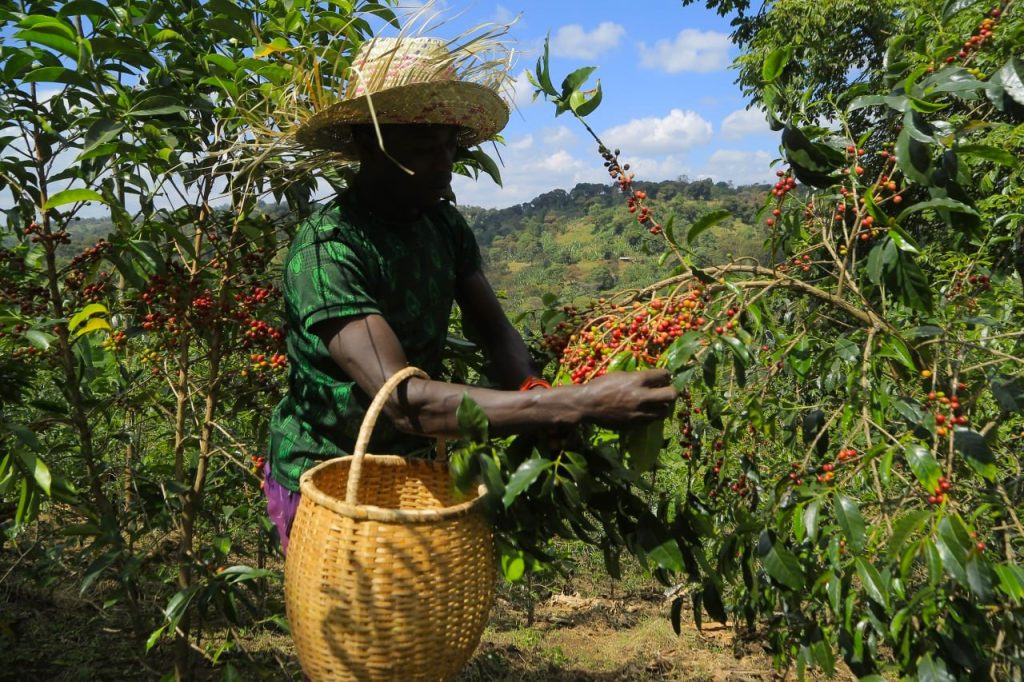
Smallholder farmers organized around EDN Ethiopian Coffee

Altitude
1900 – 2300 masl

Variety
Local arabica landraces and heirloom cultivars

Soil
Vertisol

Region
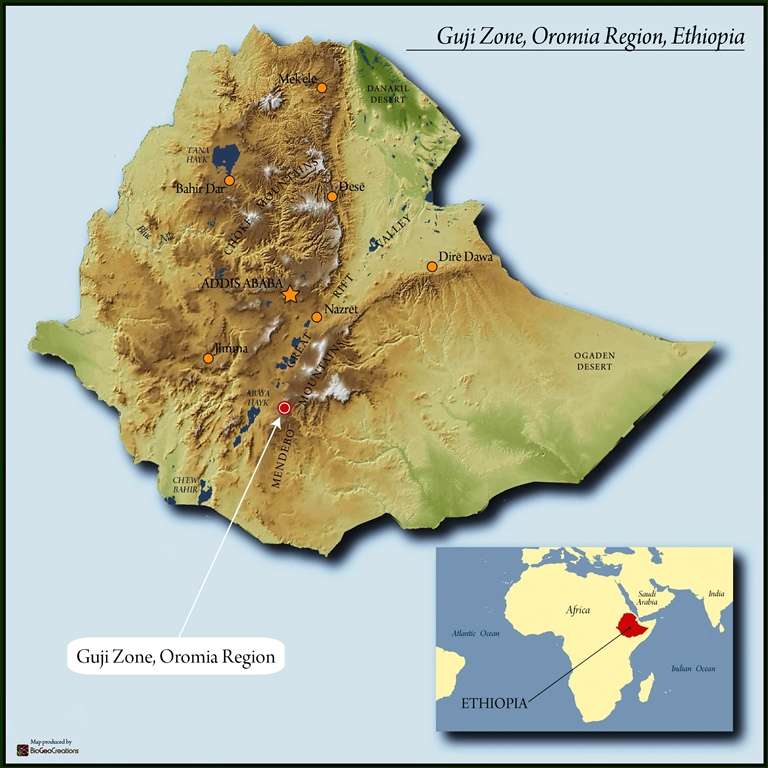
Buku Sayasa community, Hambela District, Guji Zone, Oromia Region, Ethiopia

Process
Full natural

Harvest
November - January

Certification
Conventional
This is a smallholder-grown, centrally processed natural from western Guji zone. The Hambela district is well-known for excellent coffees and this lot, harvested in Buku Sayasa and processed at a nearby processing station in Chelchele, is no exception.
Welcome to Guji Zone
Ethiopia’s Guji zone is a distant and heavily forested swath of land stretching southeast through the lower corner of the massive Oromia region. Guji is heavy with primary forest thanks to the Guji tribe, a part of Ethiopia’s vast and diverse Oromo nation, who have for generations organized and legislated to reduce mining and logging outfits in their area, in a struggle to conserve the land’s sacred canopy. Compared to other coffee-heavy regions, large parts of Guji feel like prehistoric backwoods. Coffee farms in many parts of Guji begin at 2000 meters in elevation and tend to climb from there. The highland farming communities in this part of the country can be at turns Edenic in their natural purity, and startlingly remote.
EDN Ethiopian Coffee & Processing
EDN Ethiopian Coffee is an independent processor and exporter of coffee with processing sites in Guji, Gedeb, and Sidama. The coffee was processed at EDN’s local site in Chelchele community, part of the Gedeb district in southern Yirgacheffe, just across the border from Buku Sayasa. The Chelchele site services the coffee produced by a few hundred outgrowers, each with an average of 1-2 hectares of diversified farmland. While not certified organic, farming methods among smallholders here have traditionally favored organic and regenerative practices, and all produce subsistence crops for the families who live on site.
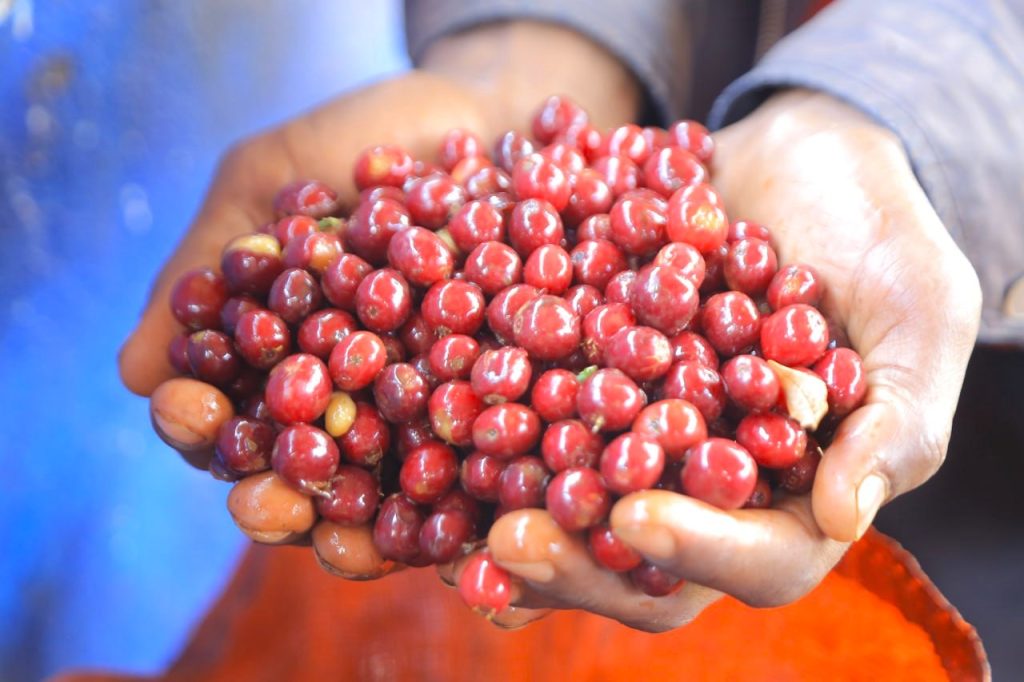
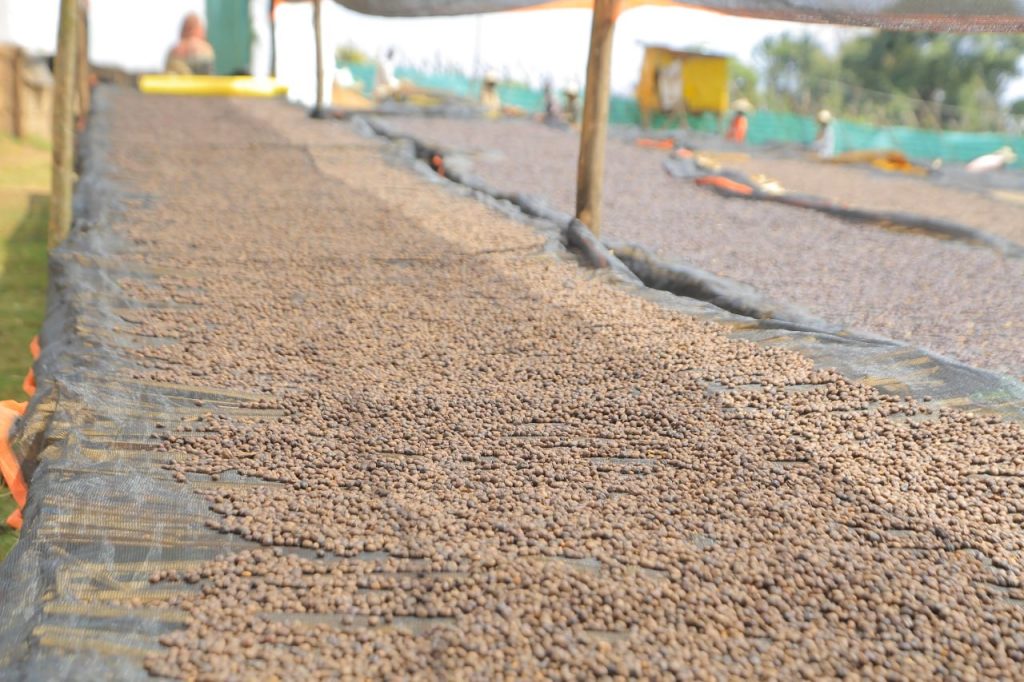
EDN processes coffee both as sundried natural and anaerobically-fermented naturals. Naturals such as this one are received at the processing station in the form of fresh-picked cherry. Cherry is then sorted for defects and uniform ripeness and color, and then placed to ferment in cold water for 24 hours. After fermentation, coffee cherry are immediately moved to raised screen beds to dry in the sun. Drying takes 3-4 weeks depending on the local climate. After the coffee is fully dried it is transported to a local warehouse where it is rigorously assessed for quality and conditioned until it can be transported to Addis Ababa for final milling and export.
During the harvest months the Chelchele site employs over 200 people to manage the continuous rotating and sorting of sundried cherry, as well as intake, payment, security, and inventory operations. All workers and their families receive educational resources, full daily meals, and on-site lodging during the harvest. They are also pursuing sustainability and social governance certifications to expand their global market.
Keeping Specialty Value Alive
The gorgeous arabica genetics of this area, blessed by some of the country’s healthiest biodiversity, could be easily ruined in transit, or homogenized into large regional blends with little traceability, both resulting in depleted pricing. One way for farmers to survive their price disadvantages was by having larger, more diversified family parcels, sometimes 20 acres or more, with equal emphasis on livestock or other crops for local markets as on coffee. But the vast majority have always been small and coffee-centered. Notably as well, cooperative unions, Ethiopia’s hallmark exporter organizations for small farmers, have little to no presence in this part of Guji. Were it not for private processing stations like EDN’s in Chelchele, many local growers in western Guji would have fewer options, worst of all being the sporadic, rogue coffee collector from Gedeo or farther, bringing low prices.