
Kenya Kii AA
12KN0019 – 36686 – 30.0 kg Box/Vacuum Pack – SPOT SHANGHAI
Bags 13
Warehouses Shanghai

Grower
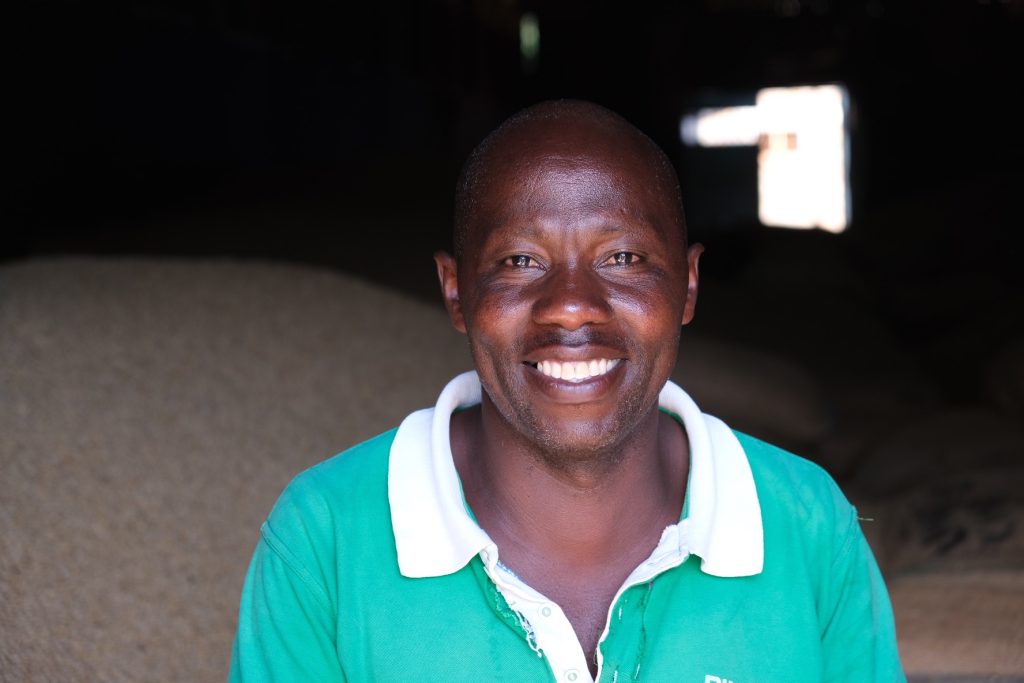
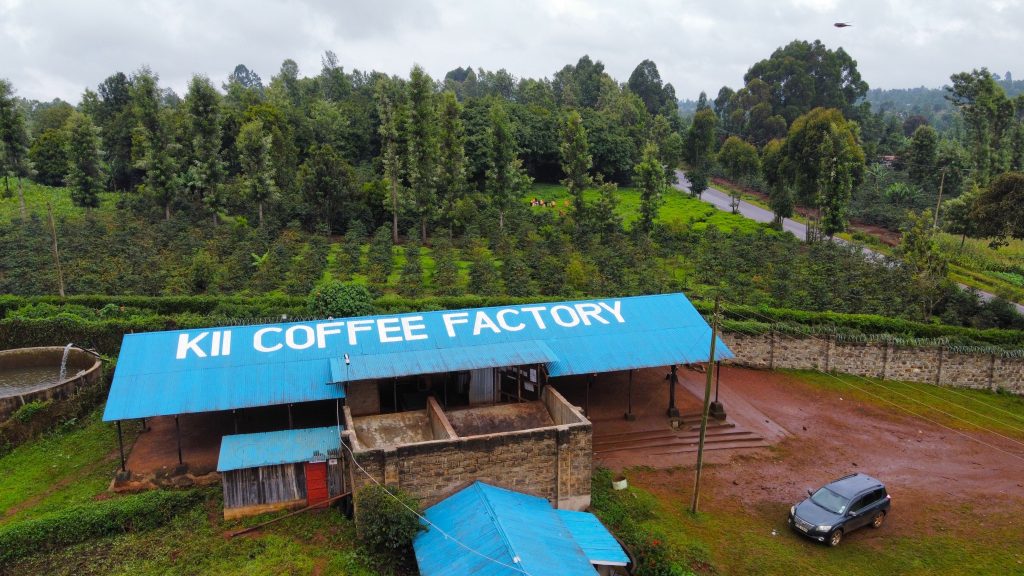
850 smallholder farmers organized around the Kii Factory

Altitude
1600 - 1800 masl

Variety
SL28, SL34, and Ruiru 11

Soil
Volcanic loam

Region
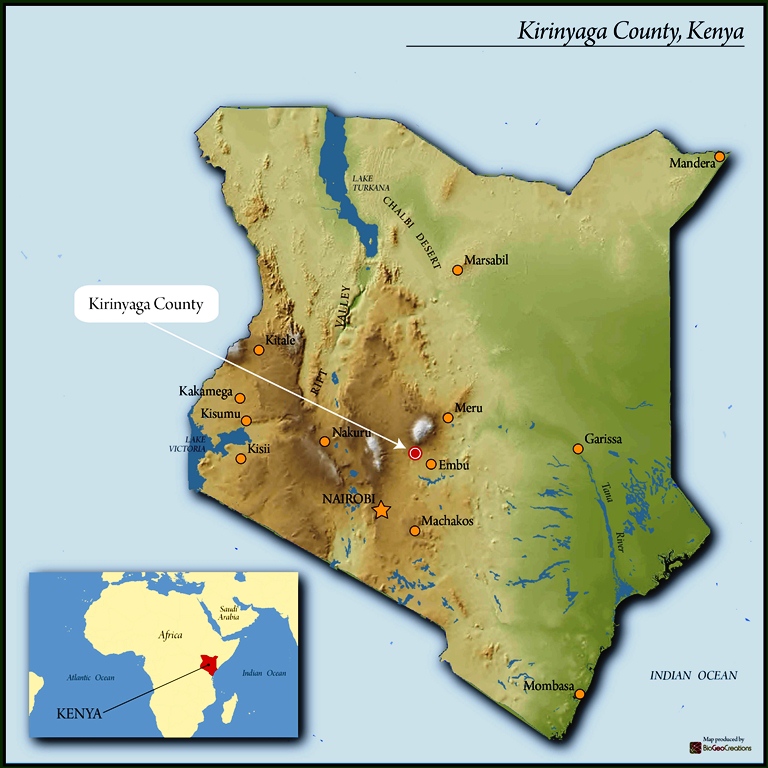
Kirinyaga County, Kenya

Process
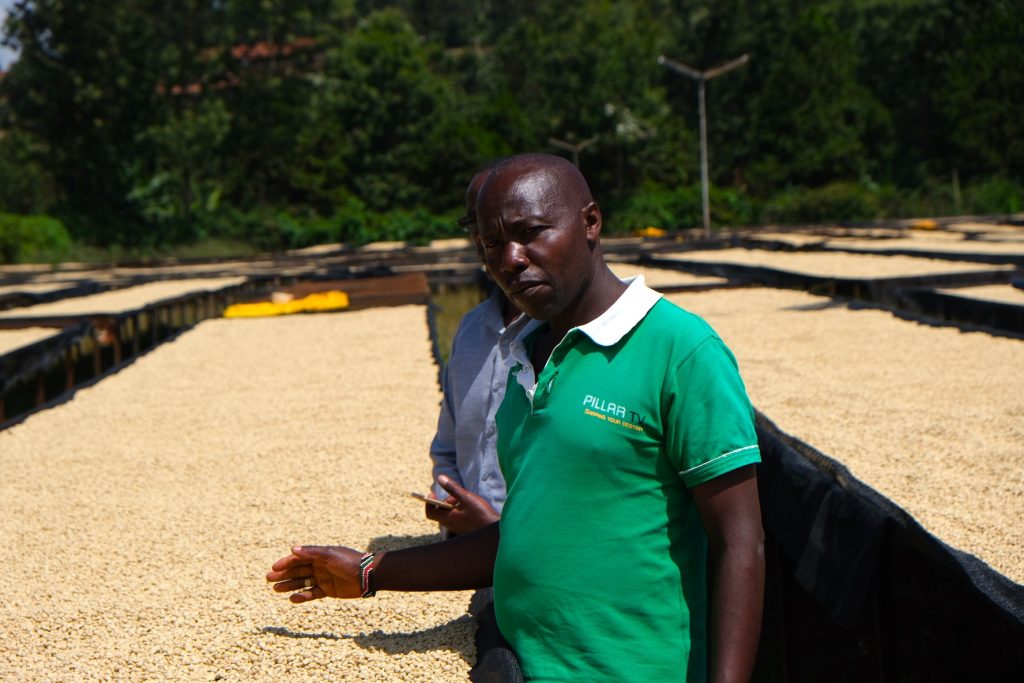
Fully washed and dried on raised beds

Harvest
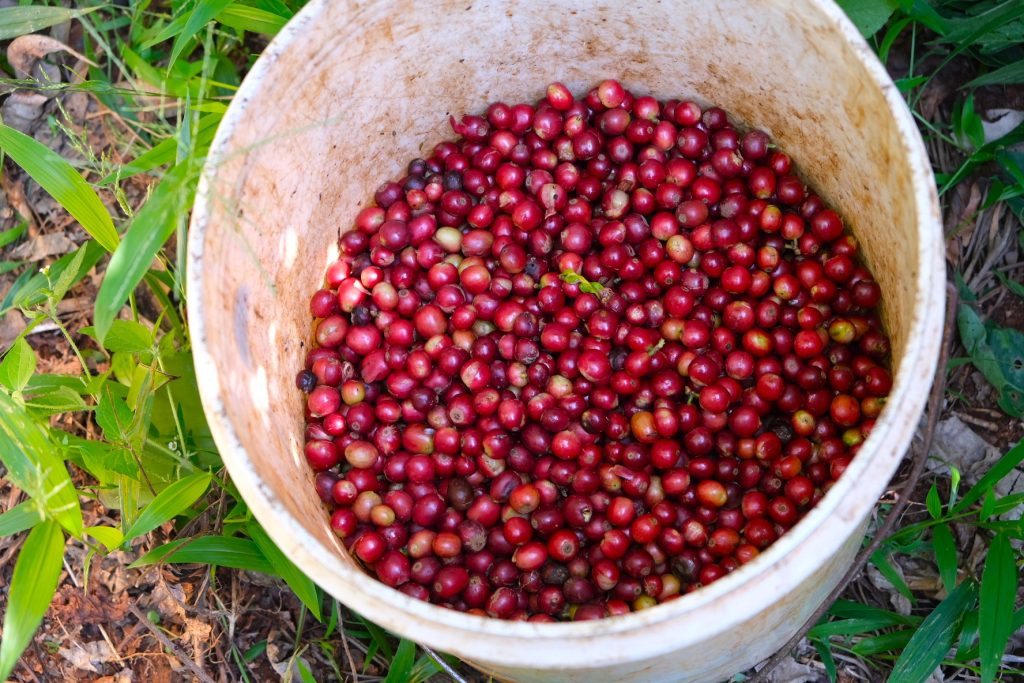
November - December

Certification
Conventional
Rungeto is a producer organization that has been around since 1997, when it was created out of a previous local producer society. It is robust in membership and exemplary in quality. In the cup this is a quintessential Kirinyaga coffee: lime-like and very tart, with a brisk mouthfeel and a savory-sweet balance.
Central Kenya & Kirinyaga County
Mt. Kenya, at the helm of Kenya’s Central Province, is the second tallest peak on the continent of Africa and a commanding natural presence. The mountain itself is a single point inside a vast and surreal thicket of ascending national forest and active game protection communities. The central counties of Kenya extend from the center of the national park, like five irregular pie slices, with their points meeting at the peak of the mountain. It is along the lower edge of the forests where, in wet, high elevation communities with mineral-rich soil (Mt. Kenya is a stratovolcano) many believe the best coffees in Kenya, often the world, are crafted. Kirinyaga is one of the best-known of these central counties.
Rungeto FCS and Processing Style
Rungeto FCS oversees the operations of all three member cooperatives, Karimikui, Kii, and Kiangoi. The group, as is common to cooperative societies country-wide, has a farmer-elected board with members from each sublocation. Rungeto was originally formed after the closure of a previous society, Ngiriama FCS, in the 1990s, when the asset holders of these three factories decided to re-organize anew. In 1997 the factories reopened under the new society name and have been operating together as Rungeto FCS ever since.
Kenya is of course known for some of the most meticulous at-scale processing that can be found anywhere in the world. Bright white parchment, nearly perfectly sorted by density and bulk conditioned at high elevations is the norm, and a matter of pride, even for generations of Kenyan processing managers who prefer drinking Kenya’s tea (abundantly farmed in nearby Murang’a county) to its coffee. Ample water supply in the central growing regions has historically allowed factories to wash, and wash, and soak, and wash their coffees again entirely with fresh, cold river water.
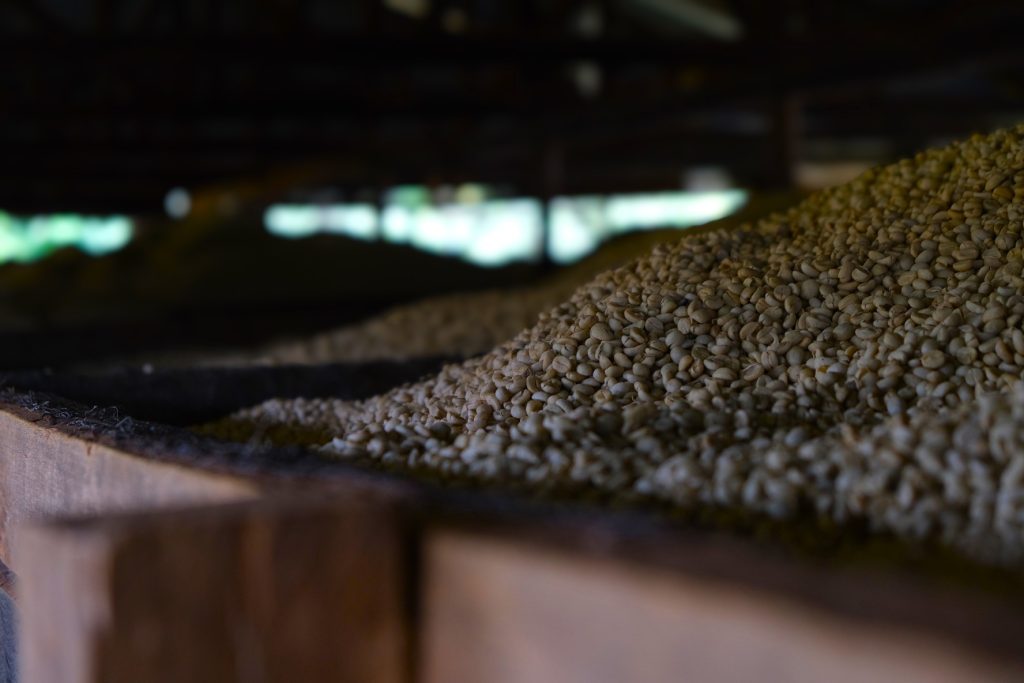
Kii typically ferments for 16-18 hours depending on ambient conditions (the changing mountain climate, as for many processors, tends to dictate fermentation temperatures, and processing staff are required to check fermentation progress every three hours). After fermentation, the parchment is washed clean in long cement channels using fresh running water, a step that also allows the denser, heavier parchment to separate from the rest. After washing and grading is complete, the parchment is moved to the factory’s raised tables to dry, typically for two weeks. After drying is complete the coffee is conditioned in large, perforated bins on site to allow moisture to stabilize, preparing the coffees for transit and a long shelf life. The established milling and sorting by grade, or bean size, is a longstanding tradition and positions Kenya coffees well for roasters, by tightly controlling the physical preparation and creating a diversity of profiles from a single processing batch.