
Getting started with a green coffee supplier can feel overwhelming and confusing. To make the process a bit easier, we answered some of the most common questions about green coffee buying.
From how to choose the best beans, and learning about the types of importers to finding the best coffee supplier and more, you will learn all the tricks of the trade to make you feel confident in your coffee buying journey.
What does a green coffee buyer do? What does a green coffee trader do?
The process of building relationships, making connections, and tasting great coffee are all major perks of being a green coffee buyer. Origin trips – the holy grail of getting to work in coffee, are an integral part of the role. Visiting origin is important because it is highly beneficial to know the processing and operations of the producers they work with.
Some hurdles to being a green coffee buyer can be getting priced out past a budget, inability to work with producers in following harvest seasons and even simply moving coffee out of the country due to logistic or even political tensions.
Ultimately, a green coffee buyer builds relationships with producers and exporting groups to source coffees for a company they work for such as a roaster or importer. They have knowledge and understanding of pricing, quality, market demand, and the C market to make strategic purchasing decisions that are best for their inventory.
One role of a green coffee buyer is to select samples from producers to buy or decline, approve pre-shipment and arrival samples, and write up contracts for purchasing coffees. Quality control and sensory skills are important assets to purchasing coffee along with managing relationships and most exciting of all, managing Excel sheets.
A green coffee trader is a green coffee buyer who also sells coffee to roasting clients. Their goal is to find the perfect home for the coffee they source. Relationships on both ends between purchasing and selling are vital; a high degree of trust is needed on every end of the supply chain to be sustainable.
Traders have in-depth knowledge of their client base and market needs and shifts. Trading implies the exchange of buying and selling a product without the transformation of the product. Essentially, a trader is moving goods from one place to another, handling the logistics. This means that a trader that is selling you coffee and purchasing coffee as well.
Coffee traders like Royal Coffee might divvy up roles based on country. For example, a company might have an Ethiopian or Guatemala buying team. This dynamic works well because the information needed to understand the market and inventory, also allows a trader to have in-depth knowledge of their client base and their needs. This information goes hand in hand, with supply and demand.
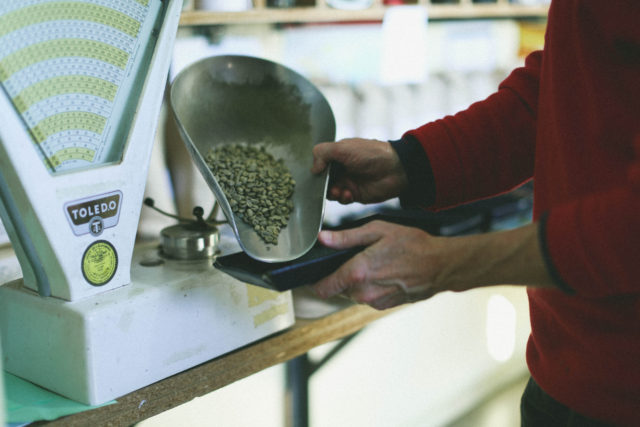
How to choose a coffee supplier that fits your needs?
In order to choose a good coffee supplier, you should know what your needs are as a roaster. How much you are roasting, price points, desired flavor profiles. Be wary of being too attached to an origin to fit your menu. It’s possible to find green coffee from another region that might suit your needs!
Evaluating your company values and whether or not you need organic, fair trade, regenerative, tiny seasonal micro-lots, or bulk macro-lots is vital to this process. Menus change throughout the year and having a game plan is key! Once you know these variables and can communicate your needs to a trader, that is when you can find a coffee supplier that best suits your needs.
Direct Trade
If a supplier is an overseas exporter or producer, you’ll still need logistics support in this process and an importer like Royal Coffee can help handle that. Royal can help with facilitating logistics, handling finances, and consolidating containers. In the industry, ‘building containers” is the process of consolidating coffee from either one or multiple producers/exporters to fill it up to the 40,000 lb limit to ship it.
Importers can work with you to add your purchases onto their containers to move it to the destination port. Company values such as farmer support structure, transparency, and certifications might be important attributes for you to consider as a roaster. Keeping your values in mind and understanding the values of your partners can be important to keep in mind when planning to have long-term partnerships.
Where do the best green coffee beans come from?
Incredible green coffee can be found all over the world. Ethiopia and Kenya are often sought after in the specialty world, they produce highly superior quality green coffee. Other recognized regions might include Colombia, Costa Rica, Ecuador, and Indonesia, but great coffee can be found in dozens of countries worldwide.
Kenya, Colombia, Ethiopia, Brazil, Vietnam, and Indonesia make up a large portion of coffee production volume every year. Due to the financial significance of this good, you will see many of the governing bodies invest a lot of money so their producers and ideally in turn, the countries’ economies will succeed.
Coffee-growing regions and producers are so diverse that it is hard to pigeonhole countries or regions to find the ‘best’ green coffee beans. Generally, the more information that you can obtain about the coffee, the better quality it is.
Macro-lots are large, often blended, but not always, and generally, you will find less information because of it. Micro-lots which are small single lots often come from a single producer or blend of small producers in the same region.
Brazil, for example, produces 40% of the world’s volume of coffee and has massive estates that can produce very large quantities of coffee– multiple containers of coffee (40,000lb) could be from the same estate.
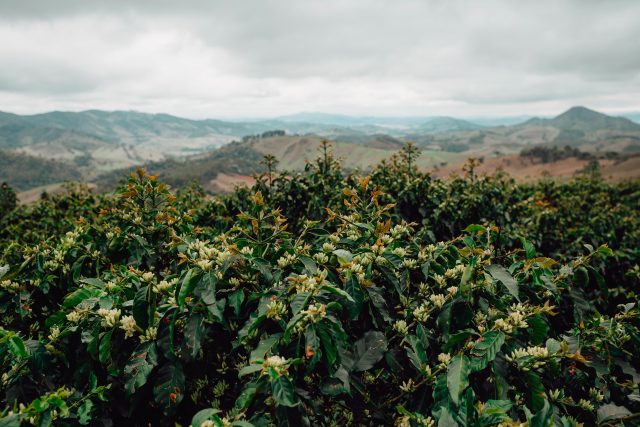
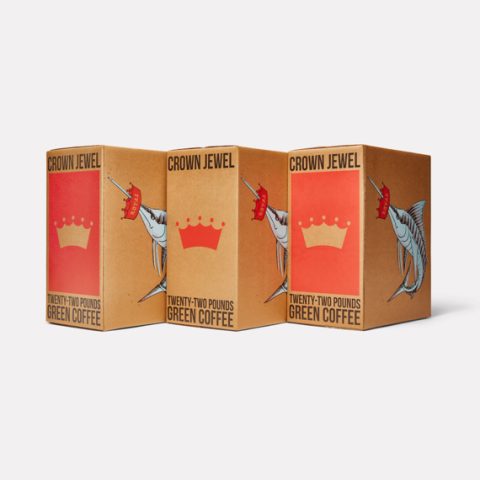
Royal carries a high-end line of micro-lots that are sold in 22lb boxes which contain a plethora of information and analysis including source, taste, espresso analysis, and more. Royal also carries a large inventory of bags that can have the same cup quality, but in-depth analysis is not provided.
Cup quality is also key, it is important to have the proper sensory background and skill to know how good or bad the coffees you are tasting are. One avenue to brushing up your sensory skills is to take a Q combo course.
Keep in mind that the better a coffee is, the more you’ll probably need to pay for it. A good green coffee trader can help new buyers navigate the pricing, quality, and availability intersection.
How to find suppliers for a coffee shop?
Depending on whether you’re roasting your own coffee or not, you need to look for different options from either green coffee from an importer or roasted coffee from a wholesaler.
Sourcing from an Importer
There are many suppliers that can provide specialty green coffee for your shop. You can approach this in multiple ways, one strategy would be to look for inventory that suits your needs best or sort out where the supplier’s warehouses are in order to save on shipping costs.
Trade shows are another way to experience a plethora of green coffee importers in one go. It’s a perfect time to get your feet wet and meet traders from companies of different sizes and inventory sheets. For example, you could meet a large multi-national importer that prioritizes bulk specialty coffee or commodity coffee, there could also be a smaller importer that specializes in micro-lots like experimental coffees, or one that sources everything in between.
Once you have an idea of your needs you will be able to find the right fit for you with ease. Communication is key in these conversations so make sure your trader knows your volume expectations, price ranges, flavor profile preferences, and future coffee needs so that they can help you quickly and efficiently.
Wholesale
When looking for a wholesaler for roasted coffee, make sure their standards match your brand values. Do you need organic, fairtrade, regenerative, pricing, product range, coffee quality, consistency etc etc? Do you prefer to remain loyal to a single brand, or try out a “multi-roaster cafe” model?
What type of support do you need as a wholesale partner? Is your team trained up and capable of training new staff members? Or do you need assistance in training? This could factor in how you want to go about finding the best supplier for your needs.
Co-Roasting Facilities
If you are just starting and want to look at unique business opportunities, co-roasting facilities offer a way to roast your green coffee beans in an accessible manner. There are often co-roasting facilities in major cities, and if you are not located in a major city a larger roastery might be willing to rent time on their machine.
Are coffee vendors perfectly competitive?
Coffee vendors (suppliers or traders) can be of all sizes and carry different types of inventory. As a buyer, you have the discretion to have multiple vendors to source for the quality and pricing that best suits your needs. Vendors are all different and it is hard to compare them with one another.
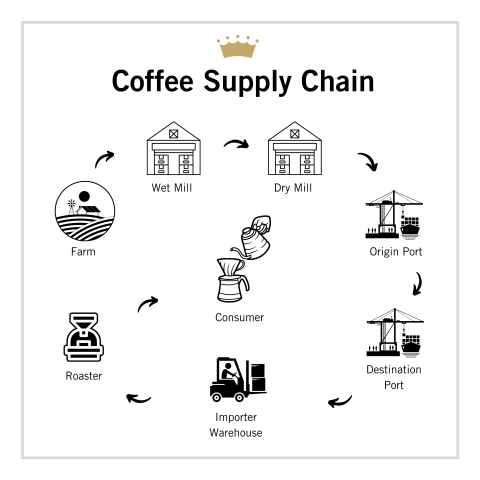
Vendors can represent a seller at any point in the supply chain. You could purchase from an importer, exporter, producer, etc. No matter the circumstance, you need an importer and exporter to help facilitate the movement of coffee from the origin to the destination port.
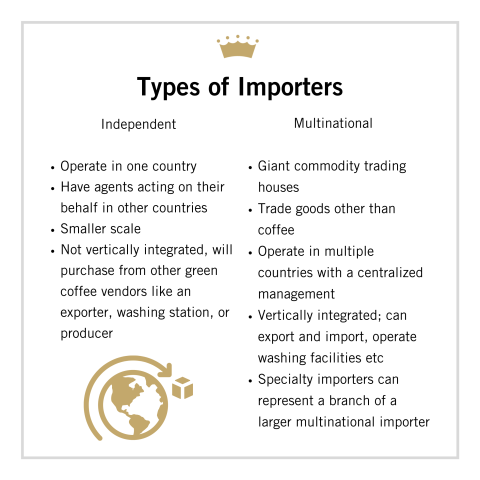
One major distinction for an importer is multinational vs independent importers. Multinational groups represent large conglomerates that operate in multiple countries that have centralized management. They are often vertically integrated to control their supply chain on the consumer and production side. A multinational may operate washing facilities and dry mills and have the ability to export and import. Groups such as this are often giant commodity trading houses, they trade commodity and specialty coffee and are not necessarily coffee-exclusive. Specialty importers in some cases might be branches of a larger multinational company.
Independent importers like Royal often have licensing to operate in one country (the United States) but have agents in other countries acting on their behalf. Independent importers still usually source from multiple countries, though there are small single-origin-focused importers as well. In some cases, their inventory might be smaller because of the lack of scale compared to multinationals. In almost any case, you can request an offer sheet (to see what inventory is available) from coffee suppliers of all sizes.
Starting your buying journey is easy with Royal Coffee, browse our inventory sheet for full-sized bags, 50lb Royal Gems, or 22lb Crown Jewels. With the option of ordering online or with a trader getting started with coffee buying has never been easier!

Latest Articles by Royal Coffee
Royal Coffee’s Top 5 Crown Jewels of 2025
With more than two dozen Crown Jewels released in 2025, narrowing down a “top five” was impossible, so we didn’t. Instead, we ranked this year’s standouts by cup score, rarity,...
Green Coffee Tariff Updates & Customer FAQs
Updated November 20, 2025 TL; DR On Nov 20 2025, the U.S. signed an order that removes the 40% additional duty on certain Brazilian agricultural imports, including coffee. The relief...
Royal Coffee 2025 Holiday Ordering Info
Dear Royal Coffee Customer, As the busy holiday season approaches, we want to help you prepare for successful shipments. During the holiday season, carriers always experience higher than normal volume,...