Shop Green Coffee
Filter
Sort By

Kenya’s coffee is spectacular, and its inner workings can be complicated to the uninitiated. The best coffees tend to be exuberantly bright with mouth-watering aromatics and flavors like melted candy, and their narrow screen distribution allows for exacting roast development. Thanks to the country’s internal grading and auction systems each year is like a brand-new, endless catalog of impressive microlots to be curated. Kenya coffees are “expensive” but then again, everyone gets their money’s worth, so it’s really a moot point.
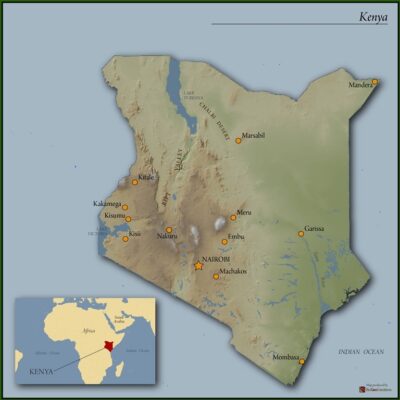
Kenya Map
Purchase Options
Origin
Warehouse
Size
Position
Certification
Curated
Price
Process

      Grapefruit, plum, herbaceous, chocolate

      Oakland 263 Bags

      37415 – Ecotact Bags – SPOT RCWHSE

      $5.95 per pound

      Staff Pick

      Kenya AA FAQ

      37415 – Ecotact Bags – SPOT RCWHSE

      Staff Pick

      Grapefruit, plum, herbaceous, chocolate

      Spot

      263 Bags

      $5.95 per pound

      Grapefruit, plum, herbaceous, chocolate

      Houston 15 Bags

      37415-1 – Ecotact Bags – SPOT DUPUYHOU

      $6.10 per pound

      Kenya AA FAQ

      37415-1 – Ecotact Bags – SPOT DUPUYHOU

      Grapefruit, plum, herbaceous, chocolate

      Spot

      15 Bags

      $6.10 per pound

      Cup notes available upon arrival

      Vancouver 194 Bags

      38753 – GrainPro Bags – ETA: Feb 12, 2026 – SEAFORTH

      Get a Quote

      Kenya AA FAQ

      38753 – GrainPro Bags – ETA: Feb 12, 2026 – SEAFORTH

      Cup notes available upon arrival

      Afloat

      194 Bags

      Cup notes available upon arrival

      Midwest 1 Bag

      37481-3 – Ecotact Bags – SPOT COMIDWEST

      $5.85 per pound

      Kenya AB FAQ

      37481-3 – Ecotact Bags – SPOT COMIDWEST

      Cup notes available upon arrival

      Spot

      1 Bag

      $5.85 per pound

      Blackberry, black tea, lemon curd

      Oakland 154 Bags

      KE 5648 – 38304 – GrainPro Bags – SPOT RCWHSE

      $5.56 per pound

      Staff Pick

      Kenya AB FAQ

      KE 5648 – 38304 – GrainPro Bags – SPOT RCWHSE

      Staff Pick

      Blackberry, black tea, lemon curd

      Spot

      154 Bags

      $5.56 per pound
      Cup notes available upon arrival

      Oakland 18 Bags

      50EC0006 – 38762 – GrainPro Bags – ETA: Feb 22, 2026 – RCWHSE

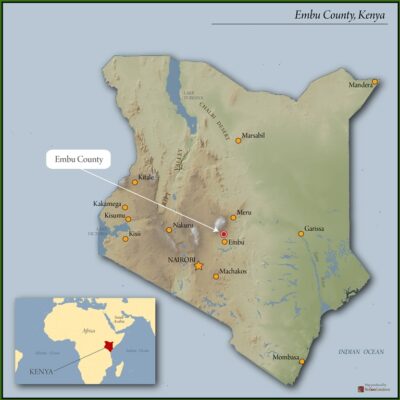
      Kenya Embu Ena AB

      50EC0006 – 38762 – GrainPro Bags – ETA: Feb 22, 2026 – RCWHSE

      Cup notes available upon arrival

      Afloat

      18 Bags
      Cup notes available upon arrival

      Oakland 5 Bags

      51KK0055 – 38761 – GrainPro Bags – ETA: Feb 22, 2026 – RCWHSE

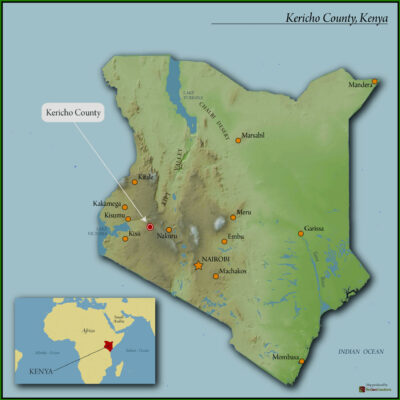
      Kenya Kericho Boma AA

      51KK0055 – 38761 – GrainPro Bags – ETA: Feb 22, 2026 – RCWHSE

      Cup notes available upon arrival

      Afloat

      5 Bags

      Cup notes available upon arrival

      Oakland 48 Bags

      51KK0055 – 38772 – GrainPro Bags – ETA: Feb 22, 2026 – RCWHSE

      Kenya Kericho Boma AB

      51KK0055 – 38772 – GrainPro Bags – ETA: Feb 22, 2026 – RCWHSE

      Cup notes available upon arrival

      Afloat

      48 Bags

      Cup notes available upon arrival

      Oakland 4 Bags

      51KK0055 – 38771 – GrainPro Bags – ETA: Feb 22, 2026 – RCWHSE

      Kenya Kericho Boma Peaberry

      51KK0055 – 38771 – GrainPro Bags – ETA: Feb 22, 2026 – RCWHSE

      Cup notes available upon arrival

      Afloat

      4 Bags
      Cup notes available upon arrival

      Oakland 13 Bags

      48KF0015 – 38769 – GrainPro Bags – ETA: Feb 22, 2026 – RCWHSE

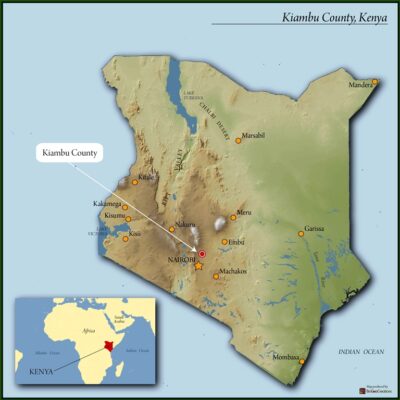
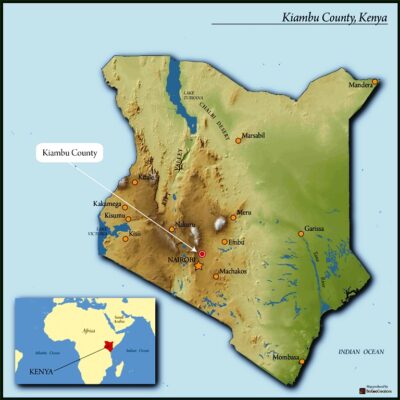
      Kenya Kiambu Ndumberi AA

      48KF0015 – 38769 – GrainPro Bags – ETA: Feb 22, 2026 – RCWHSE

      Cup notes available upon arrival

      Afloat

      13 Bags

      Cup notes available upon arrival

      Oakland 21 Bags

      48KF0015 – 38770 – GrainPro Bags – ETA: Feb 22, 2026 – RCWHSE

      Kenya Kiambu Ndumberi AB

      48KF0015 – 38770 – GrainPro Bags – ETA: Feb 22, 2026 – RCWHSE

      Cup notes available upon arrival

      Afloat

      21 Bags

      Cup notes available upon arrival

      Vancouver 11 Bags

      37KF0009 – 38757 – GrainPro Bags – ETA: Feb 12, 2026 – SEAFORTH

      Kenya Kiganda AA

      37KF0009 – 38757 – GrainPro Bags – ETA: Feb 12, 2026 – SEAFORTH

      Cup notes available upon arrival

      Afloat

      11 Bags
      Cup notes available upon arrival

      Shanghai 13 Bags

      12KN0019 – 36686 – 30.0 kg Box/Vacuum Pack – SPOT SHANGHAI

      Kenya Kii AA

      12KN0019 – 36686 – 30.0 kg Box/Vacuum Pack – SPOT SHANGHAI

      Cup notes available upon arrival

      Spot

      13 Bags
      Cup notes available upon arrival

      Shanghai 11 Bags

      XAB72F03/11KF0012 – 36685 – 30.0 kg Box/Vacuum Pack – SPOT SHANGHAI

      Kenya Kirimahiga

      XAB72F03/11KF0012 – 36685 – 30.0 kg Box/Vacuum Pack – SPOT SHANGHAI

      Cup notes available upon arrival

      Spot

      11 Bags
      Cup notes available upon arrival

      Vancouver 13 Bags

      48KF0095 – 38755 – GrainPro Bags – ETA: Feb 12, 2026 – SEAFORTH

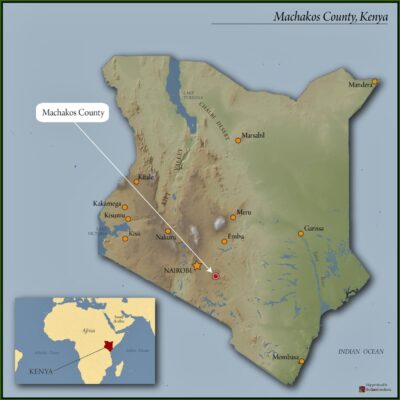
      Kenya Machakos Kaliluni AA

      48KF0095 – 38755 – GrainPro Bags – ETA: Feb 12, 2026 – SEAFORTH

      Cup notes available upon arrival

      Afloat

      13 Bags

      Cup notes available upon arrival

      Vancouver 40 Bags

      48KF0095 – 38754 – GrainPro Bags – ETA: Feb 12, 2026 – SEAFORTH

      Kenya Machakos Kaliluni AB

      48KF0095 – 38754 – GrainPro Bags – ETA: Feb 12, 2026 – SEAFORTH

      Cup notes available upon arrival

      Afloat

      40 Bags

      Cup notes available upon arrival

      Vancouver 6 Bags

      48KF0095 – 38756 – GrainPro Bags – ETA: Feb 12, 2026 – SEAFORTH

      Kenya Machakos Kaliluni Peaberry

      48KF0095 – 38756 – GrainPro Bags – ETA: Feb 12, 2026 – SEAFORTH

      Cup notes available upon arrival

      Afloat

      6 Bags
      Cup notes available upon arrival

      Oakland 17 Bags

      49EC0032 – 38773 – GrainPro Bags – ETA: Feb 22, 2026 – RCWHSE

      Kenya Meru Gichugene AA

      49EC0032 – 38773 – GrainPro Bags – ETA: Feb 22, 2026 – RCWHSE

      Cup notes available upon arrival

      Afloat

      17 Bags

      Cup notes available upon arrival

      Oakland 85 Bags

      42KE2001 – 38768 – GrainPro Bags – ETA: Feb 22, 2026 – RCWHSE

      Kenya Meru Gichugene AB

      42KE2001 – 38768 – GrainPro Bags – ETA: Feb 22, 2026 – RCWHSE

      Cup notes available upon arrival

      Afloat

      85 Bags

      Cup notes available upon arrival

      Oakland 18 Bags

      41KE2002 – 38766 – GrainPro Bags – ETA: Feb 22, 2026 – RCWHSE

      Kenya Meru Kaliati AA

      41KE2002 – 38766 – GrainPro Bags – ETA: Feb 22, 2026 – RCWHSE

      Cup notes available upon arrival

      Afloat

      18 Bags

      Cup notes available upon arrival

      Oakland 6 Bags

      49EC0032 – 38774 – GrainPro Bags – ETA: Feb 22, 2026 – RCWHSE

      Kenya Meru Kinjo Peaberry

      49EC0032 – 38774 – GrainPro Bags – ETA: Feb 22, 2026 – RCWHSE

      Cup notes available upon arrival

      Afloat

      6 Bags
      Cup notes available upon arrival

      Oakland 6 Bags

      42KF0014 – 38767 – GrainPro Bags – ETA: Feb 22, 2026 – RCWHSE

      Kenya Muranga Bellanie Estate Peaberry

      42KF0014 – 38767 – GrainPro Bags – ETA: Feb 22, 2026 – RCWHSE

      Cup notes available upon arrival

      Afloat

      6 Bags
      Cup notes available upon arrival

      Shanghai 258 Bags

      APS 5960 – 36877 – 30.0 kg Box/Vacuum Pack – SPOT SHANGHAI

      Kenya Natural

      APS 5960 – 36877 – 30.0 kg Box/Vacuum Pack – SPOT SHANGHAI

      Cup notes available upon arrival

      Spot

      258 Bags
      Cup notes available upon arrival

      Oakland 35 Bags

      41TY0003 – 38764 – GrainPro Bags – ETA: Feb 22, 2026 – RCWHSE

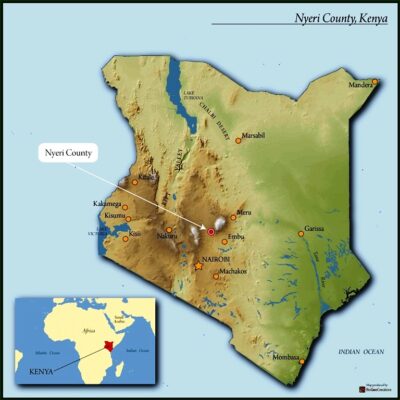
      Kenya Nyeri Ndaroini AB

      41TY0003 – 38764 – GrainPro Bags – ETA: Feb 22, 2026 – RCWHSE

      Cup notes available upon arrival

      Afloat

      35 Bags
      Cup notes available upon arrival

      Oakland 6 Bags

      52TY0009 – 38760 – GrainPro Bags – ETA: Feb 22, 2026 – RCWHSE

      Kenya Nyeri Rumukia Maganjo AB

      52TY0009 – 38760 – GrainPro Bags – ETA: Feb 22, 2026 – RCWHSE

      Cup notes available upon arrival

      Afloat

      6 Bags
      Cup notes available upon arrival

      Vancouver 16 Bags

      46KF0082 – 38759 – GrainPro Bags – ETA: Feb 12, 2026 – SEAFORTH

      Kenya Oaklands Natural

      46KF0082 – 38759 – GrainPro Bags – ETA: Feb 12, 2026 – SEAFORTH

      Cup notes available upon arrival

      Afloat

      16 Bags

      Black cherry, cranberry, black tea, chocolate

      Oakland 21 Bags

      44KF0027 – 38299 – GrainPro Bags – SPOT RCWHSE

      $6.06 per pound

      Kenya Songonyet AB

      44KF0027 – 38299 – GrainPro Bags – SPOT RCWHSE

      Black cherry, cranberry, black tea, chocolate

      Spot

      21 Bags

      $6.06 per pound

Kenyan Coffee

Kenya’s independence from Great Britain was achieved in 1963. That year, its coffee trade, one of the colony’s largest systems of forced labor whose wealth had been exclusively for the British, was nationalized in significant ways. Many of the country’s formidable coffee plantations, largely cropped with bourbon heirlooms from Île de la Réunion, were re-distributed to newly formed shareholder groups, corporations, and British Kenyan expatriates. The young sovereign government would also invest millions in the expansion of processing infrastructure, funding centralized processing sites, now Kenya’s factory system, to serve emerging small grower cooperatives (except for under select and draconian grants, indigenous Kenyans had been forbidden from planting coffee themselves). In a grand move the central coffee auction itself, previously a private affair for colonial exports, was nationalized as well. The new auction would be a pillar of anti-corruption, a “pricing hierarchy based on quality”, where all sales would occur competitively, publicly, and traceably. Though not without its own bruises of corruption or nepotism over the last half century, the model was, in the 1960s, a level of self-possession years ahead of its time in coffee producing countries.

Kenya coffee flavor profiles range from full-bodied, herbal and chocolatey, to the most exquisitely bright citrus and berry flavors found anywhere. Kenya’s hallmark characteristic is its acidity, which has for decades made coffees from this country very effective blenders, used in spare amounts to “clean up” large quantities of cheaper washed milds or Brazils of lower quality. At higher qualities, however, Kenya’s trademark phosphoric (sweet-tart) brightness is good enough to inspire obsessive quests among microlot buyers, willing to pay whatever it takes to capture the most kaleidoscopic day lots they can locate that season. One of the lesser-acknowledged truths of Kenya’s coffees (but one of the reasons we love them so much) is that they are often savory: black currant, lemongrass, oolong or black tea, sweet basil, and other camphorous flavors are subtly present, all of which boost the sweeter fruit flavors we prefer talking about in our marketing notes. This near perfect balance means the best Kenyas are literally mouth-watering, complex and intense like a fresh berry jam still bubbling in the pot.

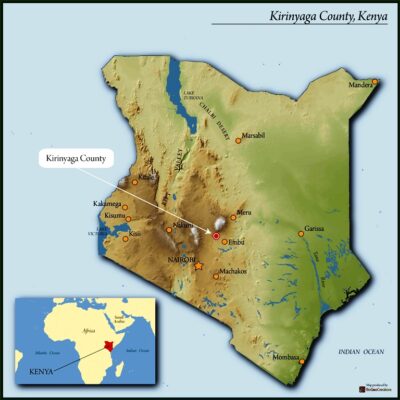
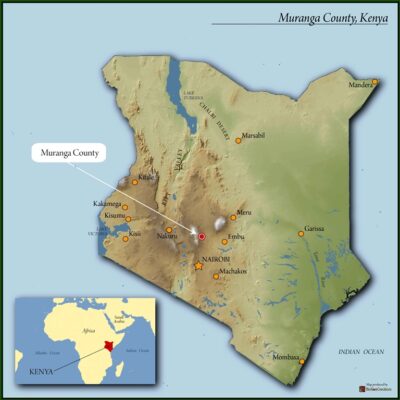
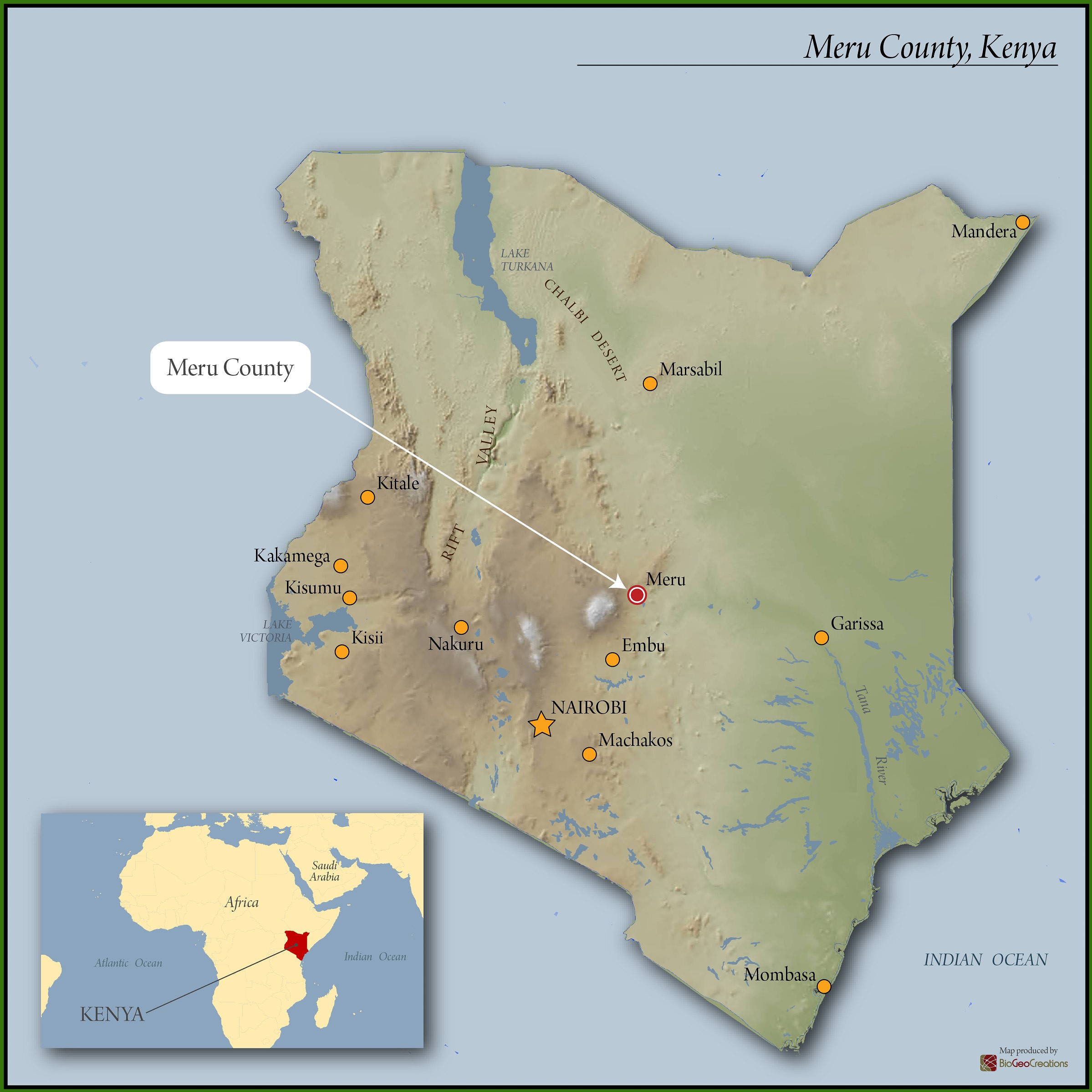
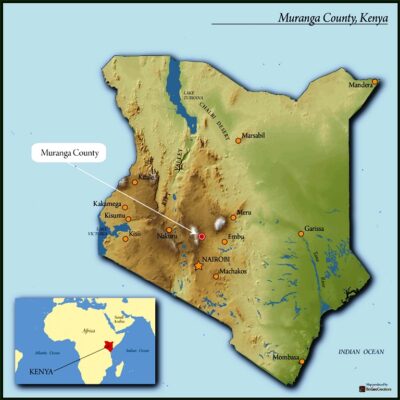
The counties south of Mt. Kenya are by far the best-known and most traveled. These include Nyeri, Kirinyaga, Embu, Murang’a and Kiambu counties, famous for the brightest and sweetest coffees in the country, as well as the most prosperous farmers. Western Kenya, including the counties of Kisii, Nyamira, Kericho, Kisumu, and others, contain some of Kenya’s first indigenous communities to farm coffee and some unique coffee genetics brought from the Caribbean and elsewhere, though this part of the country is often overlooked in favor of the central counties’ reputation and buyer experience. Southeast of Nairobi is Machakos county, whose lighter-bodied and more herbal coffees tend to be picked in May and June, rather than November and December with the rest of the country.

FAQ

Plants are often of the SL-variety lineage, first selected in Kenya in the 1930s and now distributed throughout East Africa (and occasionally smuggled to the Americas). The SL lineage, commonly including SL-28 and SL-34,  is synonymous with Kenya’s greatness in coffee. It has a generous root system and branching habit which allows farmers to bend branches to the ground, tie them, and train new branches to grow straight up out of the old. SLs produce large fruit and seeds with excellent flavor (hello, Kenya) but are also highly susceptible to disease, coffee berry disease (CBD) in particular, which forces even smallholder farmers to invest heavily in fertilizer and synthetic inputs for the sake of their valuable crop. Increasingly, growers are planting newer cultivars like Ruiru-11 and Batian, which in Kenya are commonly grafted onto established SL stock to produce a hybridized plant. Aside from SLs, Caribbean-established typica lineage coffee can be found in Kenya’s western territory, which is commonly referred to as “Blue Mountain” and has more of a delicate habit; there are also sporadic estates with old bourbon trees originally transplanted from Île de la Reunion (formerly Île de Bourbon), known locally as “French Mission Bourbon”. Some estates have trees of this variety older than 100 years and still producing.

The majority of Kenya’s coffee is produced on small family plots of only a few hundred coffee plants. Processing is centralized by cooperative or estate, and because of the abundance of fresh groundwater in Kenya’s central counties fully washed coffee is by far the norm, which in Kenya typically includes large disc pulpers with density flotation channels, as well as a fresh water soak after parchment is fully fermented, all of which requires large amounts of water to achieve. Kenya’s coffee growers of all sizes tend to be educated, competitive, independent, and tapped into the global marketplace to a surprising degree. Kenya produces coffee like every other producer country on Earth–in tiny increments, processed in daily batches, be that by “factory” (a central processing site for smallholder associations) or by large estate. However, Kenya’s unique public central auction system requires every batch of processed coffee, known as an “outturn”, to be transported and milled independently. All outturns are milled into separate “grades”, which is Kenya are organized by screen size (this is where we get AA, AB, PB, C, etc., versions of a single coffee), so a single processing batch actually produces its own miniature catalog of smaller lots for auction. This infrastructure works against consolidation and requires huge numbers of personnel to function. The upside is that each unique parcel of processed coffee is allowed to maximize its value–which makes Kenyas rightfully expensive and allows buyers to move freely from producer to producer feeling confident the value chain is decently compensated. The downside of course is the number of margins sliced out of the farmer’s final price, a cause of constant aggravation between smallholders and their marketing agents; another big setback to the auction system is coffee buyer dis-loyalty, wherein roasters feel pressure to buy the “best” Kenyas each season and therefore are much more likely to change producers year to year than in most other producing countries. 

Kenya’s main harvest is October-December, with the first lots shipping as early as December, although the best coffee is typically not afloat until March, April, and May. Because of Kenya’s widespread norm of conditioning parchment after processing to stabilize moisture and water activity, coffees of all qualities tend to have incredibly long shelf lives. With coffees this dense and stable, roasters commonly experience the best flavors up to one full week after roasting, rather than right away, giving their Kenyas a few extra days to de-gass and the profiles to emerge.

No. AAs are the biggest. Well, E’s are the biggest (E for “elephant”, screen 20 and above) but those are rare and usually deformed. Being an AA grade does not say anything about the coffee other than its seed/bean size. There are some years where Kenyan cuppers agree that AAs, or ABs, or PBs, on the whole seem to be better in quality, usually due to rainfall patterns encouraging different development patterns in certain regions. But AAs are not guaranteed to be the best coffees.

Kenya has the highest average price per pound of any producing country on Earth, primarily because of high qualities and buyer demand, limited quantities, and a competitive auction system that forces exporters to compete prior to international sales. So the best coffees are almost always priced accordingly. It’s almost impossible in Kenya to find coffees that are under-priced. Which is a good thing.

There are some, but it is extremely rare. Kenya’s coffee genetics tend to be highly susceptible, and the emphasis on quality over sustainability as a driver of price, and the majority of farms being extremely small, means that to farmers, every kilogram of cherry needs to be the best it can be. This leads to a culture of heavy fertilization, much of which is organically produced (making your own fertilizer is cheaper after all), but associations as a whole tend not to meet the organic standard.

Kenyas are phenomenal in blends because they are tightly controlled by screen size and density and distinctly bright in the cup, so they’re easy to control and their flavor intensity goes a long way adding acidity and brighter aromatics to other coffees.