
This is a simplified version of an eBook and booklet published by Royal Coffee. Prefer to download a pdf or read the full eBook online as a flip book? Go for it! Portions of this booklet are adapted from Green Coffee: A Guide for Roasters and Buyers, available at roastmagazine.com/greencoffee. Excerpts throughout used with permission.
Article Summary:
Buying green coffee is simple but buying it responsibly requires planning, communication, and understanding the trade’s mechanics. This Royal Coffee guide outlines the essentials:
- Responsible sourcing means considering sustainability, transparency, and long-term supplier relationships.
- Green coffee basics: coffee is processed (natural or washed), milled, and shipped through complex supply chains involving thousands of people before reaching roasters.
- Direct trade strengthens relationships but still depends on exporters and importers for logistics and financing. Travel can deepen connection but should be approached thoughtfully.
- Global production: Arabica (60%) and Robusta (40%) dominate; Brazil and Vietnam lead output. Coffee’s long harvest and shipping cycles affect availability and freshness.
- The “C” Market: the global price benchmark for commodity coffee, disconnected from true production value. Specialty coffee differentiates through quality-based premiums or fixed pricing.
- Contracts & terms: INCOterms (e.g., FOB, FOT, EXW) define ownership and risk; purchases can be forward or spot. Payment terms and credit vary.
- Sampling & feedback: know your sample type (offer, preshipment, etc.), define clear parameters—price range, cup score, flavor goals, timing—and give prompt, professional feedback.
Key takeaway: Responsible coffee buying blends business acumen with relationship-building. Clear expectations, consistent communication, and respect for trade standards ensure smoother transactions and better coffee outcomes.
Buying Green Coffee 101
Buying Green Coffee is easy. You can book online, use a credit card or even apply for micro-loans and credit terms directly through importer websites like ours (royalcoffee.com). You can call a trader, ask for a recommendation, send over your billing information, and sooner or later coffee will show up at your door. Buying green coffee beans responsibly is hard. It takes careful planning, conscious effort, well-defined parameters, and above all good communication. What do we mean when we talk about responsible coffee buying? One aspect might include sustainability – financial, social, and/or ecological – to your suppliers, your customers, and ultimately to yourself. Another might include working knowledge of coffee industry norms that underpin its trade – factors like the “C” market, cup quality standards, seasonal availability, and international commerce terms. Finally, responsibility in the coffee supply chain often involves a degree of trust and good communication – laying foundational groundwork for relationships should be considered as crucial step in the journey of the coffee buyer. These considerations for responsible coffee buying inform my career as a coffee buyer and will underpin the recommendations I’ll be making for you in this document.
Background Basics – Green Coffee Processing and Preparation
If you’re new to coffee, we should cover a few basics – green coffee is the term we use for unroasted coffee, the raw product that ships to roasters. Green coffee is the processed and dried seed of the coffee fruit, which grows on shrubby trees, mostly located at moderate elevations across countries in the tropics. A simple overview of the supply chain – coffee’s path from the tree to the roaster – might look like this: Coffee grows and is harvested on a farm, usually partly processed on-site or close-by. Once it is dried sufficiently, it will be transported to a centralized mill where it is further processed and bagged for shipment. When it’s ready to ship, it will be “stuffed” (loaded) into a standard 20’ shipping container and taken to a port. It will sail across international waters to a destination port, where it will be picked up and transported to a warehouse, usually owned by a coffee importer like Royal, who will “devan” or unload the bags and often palletize them for ease of storage and transportation. Roasters will then receive coffee trucked from the importer’s warehouse, where they will then store, roast, package, and distribute the consumer-ready product: roasted coffee. Primary coffee processing is important to understand because it defines many specialty coffee flavors and can affect its value. Coffee processing is, in the simplest of terms, removing all layers of the fruit from the seed and preparing it for export. Two traditional methods exist: Dry processed coffee, commonly called “natural,” is a low intervention method where the coffee fruit remains on bean to be dried out in the sun, and typically tastes berry-like and fruity. Wet processed coffee, also known as washed coffee, requires more effort and equipment. Immediately after picking, the skin and pulp is removed from the bean, and the coffee ferments for a night or two to remove remaining mucilage. It’s then washed and graded before drying. This is the most common processing method for specialty grade beans, and typically provides the best opportunity for consistency and control. It’s associated with brighter citrusy acidities and caramel-like sweetness. At the dry mill, a large, centralized location for final preparation before export, coffee will be hulled (parchment and/or dry cherry skin is removed) and graded for density, sorted (either mechanically or by hand to remove defects and foreign matter), sorted for size and bagged. 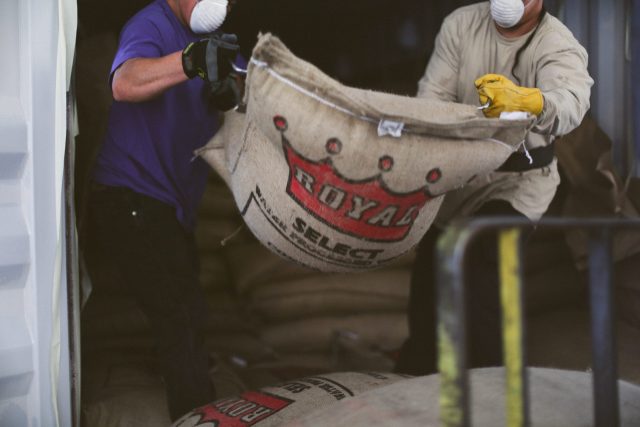
The Complexities of the Supply Chain and Direct Trade
Understanding and managing the supply chain is a more complicated matter than it might appear on its surface. In coffee, it is inexorably linked to changes in the physical state of the raw product and to means of transportation. The number of people involved in growing, processing, importing, and exporting a single container of coffee can number in the thousands. Defining direct trade, therefore, is complicated. The baseline definition of “roasters bypassing middlemen” is undercut by the realities of international commerce conventions. Even large-scale roasters capable of filling full container loads (FCLs, roughly 40,000 lbs or 18 metric tons) frequently rely on exporters and importers to help facilitate logistics and even “purchase” the coffee, effectively pre-financing it for the buyer. Roasters might form direct relationships with farmers, cooperatives, and even exporters, each of whose roles in the supply can be diverse and distinct, and therefore reliant on other actors to help complete the chain. Direct Trade allows pricing transparency from the buyer to seller, but these transactions still require all the other work implicit in preparation of coffee from harvest to shipment. A frequent perk of relationship coffee might include travel to visit coffee producers. Benefits to such activities include the opportunity to meet face-to-face, to taste coffee together and align, to observe unfamiliar practices (like fermentation and processing – often a complexity buyers may not fully comprehend until seen in-person) and securing photos and returning with samples. Some drawbacks to travel might include its high carbon footprint and expense, and the propensity for reinforcing buyer-seller inequity – often in the form of unreasonable requests (such as ill-informed suggestions for cultivar selections or fermentation methods) and perpetuation of exploitative narratives. Coffee buyers should engage in travel with eyes open and an awareness of the consequences of their visits.
Global Production and Consumption Trends
Worldwide, two species of coffee dominate commercial cultivation: Robusta (Coffea canephora) and Arabica. Robusta’s resilience to hostile environments (e.g., heat, low elevation) and disease makes it attractive to grow, but its perception as bitter and less flavorful than Arabica has traditionally limited its value, particularly in specialty coffee circles. It accounts for about 40% of total volume annually. Arabica has milder flavors, but is more sensitive to climate, elevation, and disease, and has lower caffeine content. Brazil is the globe’s leading coffee producer, primarily growing Arabica. Vietnam produces most of the world’s Robusta. Colombia, Honduras, Peru, and Ethiopia each supply substantial amounts of Arabica, while Indonesia, India, and Uganda are major Robusta producers. Coffee typically has one main harvest annually, and occasionally a second, lower volume harvest during the off-season sometimes called a “fly crop.” Colombia’s unique geography contributes to regional anomalies allowing it to be one of the only countries in the world where coffee is harvested year-round. For most countries and growing regions, the main harvest occurs during hemispheric winter. Brazil, for example, will pick coffee from May to September, while Mexico harvests from October through January. The long harvesting timeframe is followed by a long processing period – it can take coffee from two to four weeks to dry (unless mechanical dryers are used) and often during peak season the queue to get coffee through the dry mill may be two or more weeks. When the coffee is finally loaded onto a container ship, ocean transit to the United States can take a few weeks to a few months, depending on location and whatever the current shipping crisis is. Thus, arrivals domestically typically occur a few months after the coffee is picked. Coffee shipments rarely occur without a guaranteed buyer (like a roaster or importer), so most coffee must wait to embark on its overseas journey until sufficient samples have been approved (a subject for a section a little later). According to information gathered by the International Coffee Organization (ICO), since the 1990s coffee production and consumption are both increasing globally, with Asian farmers and buyers both the growth leaders during that time. Brazil also continues to increase its production substantially on an annual basis. 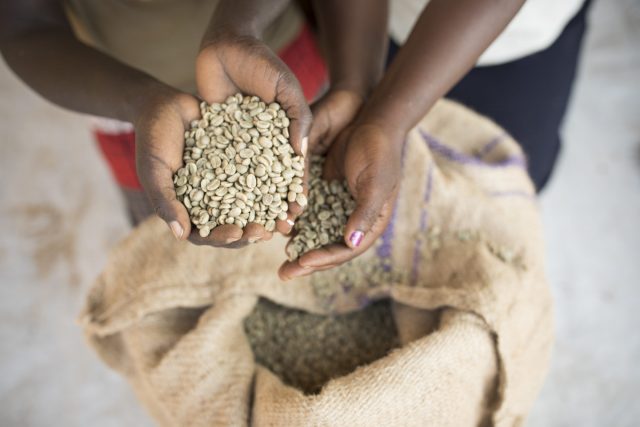
The “C” Market and Real World Trading
The “C” Market is coffee’s global trading benchmark, a system of contracts managed by the Intercontinental Exchange (ICE) for futures commodity trades. While commodities futures were originally conceived of as protections for various types of farmers during the offseason (to secure financing for upcoming harvests) the futures trade has evolved into mostly paper trading – buying and selling without the market actors taking physical possession of the actual stock lots. Market price might be influenced by factors like supply and demand, the strength of the dollar, events in major producing countries (e.g., drought in Brazil), and the influence of major financial institutions. What is the market good for? Other than hedging and speculation, it is used as a price discovery mechanism. Even countries who produce coffee not traded on the “C” will use it to inform their pricing mechanisms. The market is, however, not particularly adept at interpreting value, which we should distinguish from cost. Market price takes no accounting for the actual value of labor, land, infrastructure, investment, and the many intangibles that contribute to a living wage. The “C” presents itself as a disinterested third party from buyer and seller, solely concerned with the economics of supply and demand, resulting in a globally acknowledged pricing matrix which fails to consider the true value of coffee. Specialty coffee – that is, coffee differentiated from commodity coffee traded by the “C” market – emerged in part as a response to this harsh reality. In attempts to distinguish from the “C” price, specialty beans typically trade in two ways: on differentials, or at fixed prices.
International Commerce and Contract Terms
Pricing is not only (possibly) contingent on market trends, but also on terms that define ownership and risk, recognized internationally. A standard set of specific language is established as “International Commerce Terms” or INCOterms and indicates when ownership transfer takes place. By far the most common of these for international coffee transactions is the “Free on Board” or FOB price. For roasters and importers, the FOB price is the exporter’s final price before accounting for ocean transit. It means that the various costs of production – the entire supply-side expense – are rolled into a single easy-to-digest figure for international buyers. Once loaded onto a boat, an important document – usually either a Bill of Lading (BL) or Seaway bill – is presented to evidence that the coffee was transferred cleanly (without damage to the product). This typically triggers payment from buyer to seller. Domestically, roasters will also enter into similar agreements with importers, who may use phrases like “Ex Warehouse” (EXW) or “Free on Truck” (FOT) to describe the cost of the coffee loaded but not yet shipped by truck or train. FOT includes minor expenses like palletization, while a strict reading of Ex Warehouse does not (though most sellers colloquially use EXW when they really mean FOT, including Royal). Coffee might be booked in advance of its arrival – a “Forward” contract – or simply purchased from available stock, called a “Spot” purchase. Payment terms for a roaster might hinge on particular agreements (including credit terms) with their seller (i.e., an importer) or might be required immediately (i.e., NCAD or “Net Cash Against Documents”). 
Sampling, Approval, and Feedback
For many buyers, sampling is an important part of contract approvals. The time honored ritual of trying before buying in specialty coffee is usually undertaken via cupping, scoring, and reporting sensory feedback. Understanding the type a sample in question is critical to smooth transactions. There are a few essential categories:
- Type Sample – used as an indication of potential or an example of past work, does not represent coffee for sale
- Stocklot Sample – represents a specified quantity of real coffee available at a location
- Offer Sample – represents coffee offered for sale
- Preshipment Sample (PSS) – represents the final milled coffee, ready to export. Used as a final confirmation of quality and approval of a (usually) pre-existing contract or agreement
- Spot Sample – represents coffee that is “spot,” or domestically available
By understanding at what state the sample is in (i.e., is it a Spot Offer, or just a Type?), the evaluator can better know what may or may not be changed based on feedback. For a Type sample, a simple indication that “this is about the quality we’d hope you can supply us in the future” or “we typically don’t buy coffees like the one you showed us” might be sufficient to advance to the next stage of the conversation. For a PSS, the evaluator of an approval might need provide little to no feedback at all, indicating the Preshippment Sample conforms with previously agreed upon conditions and expectations (and possibly matches a prior Offer Sample), and is therefore approved. However, a rejection would likely require some specific explanations of shortcomings. Preshipment samples may also be built in contractually with terms and abbreviations like SAS (“Subject to Approval of Sample”) and NANS (“No Approval No Sale”). These terms offer high degrees of protection for buyers, allowing them to confirm the quality of a product before purchase and shipping. For any supplier you work with, providing details about your needs draws a direct line to getting those needs fulfilled. Consider the following when asking for samples:
- Price – Give a ceiling and floor price you hope to achieve. Most sellers will be quick to let you know if your expectations can or can’t be met. This will help prevent the awkward, enthusiastic approval of a sample you can’t possibly afford.
- Cup score | The SCA or CQI cup score can be a useful figure as it’s well defined and somewhat universally understood. If you plan to use a proprietary cup score or non-standard scoring system, let your supplier know what the parameters of your scale are so they’re not confused. As cuppers expectedly vary in their individual perception, a range or approximation may be a more useful parameter than a hard and fast rule.
- Flavor attributes – Flavor profile is an important component of many coffee brand identities, and clearly stating your preferences (like “no boozy naturals, please” or “really bright, sharp acidity is what I want out of a Colombia”) can help your supplier find the right options for you without showing you coffee you don’t want. As with cup score, sensory attributes are a soft science, so expect a little variation in cup notes from taster to taster. Also, keep your expectations realistic: you’re unlikely to find a wet-hulled Sumatra that tastes like guava jelly… that’s just not how that processing style tastes.
- Country or region prerequisites – This is particularly important when working with suppliers who can offer many hundreds of microregions across the globe. Try to be as specific as possible. If you approach an average importer and simply ask for an 84 point coffee that tastes like caramel, be prepared to answer some follow up questions about regional preferences, as they likely have half a warehouse of coffee from all over the world that roughly meets your criteria.
- Other requirements – Do you need it certified (e.g., organic, Fair Trade, etc.)? Do you need it in GrainPro or similar?
- Timing – When do you need the coffee to arrive in your warehouse? Is this an immediate purchase or a future (aka forward) contract?
Knowing these kinds of specific details will help your supply partner provide you with accurate options. Requesting samples is only part of the equation, however. Communication and follow-up are critical steps to consider when buying coffee. A general rule about providing your feedback is “the sooner the better.” The conversation can take place while the topic is still fresh on everyone’s mind and you can secure your coffee without the potential threat of another buyer beating you to the coffee if you prevent delays in your process. Keep in mind that professional relationships are well-maintained with civil language. Defects, disappointments, and inconveniences can be very frustrating, but eviscerating your supply partners isn’t going to help you solve the problem. Instead, calm demeanor and clear language will help resolve the problem amicably. When your supplier sends you coffee that cups well, meets or exceeds expectations, and fits your budget and needs, let them know. This is a great way to maintain contact and level-up your relationship. Common goals and understanding will lead to consistency and improvements in future interactions.
Final Thoughts
Coffee buying doesn’t have to be rocket science, but awareness of standard trade practices and knowledge of coffee processing, exporting, and sampling all contribute to a well-rounded buyer’s ability to navigate the landscape easily. Good communication with trade partners is key. Establishing expectations and common understandings about availability, pricing, shipping terms, and more will help everyone involved successfully move coffee through the supply chain. Coffee traders are always happy to help you navigate your way towards great coffee. Don’t hesitate to reach out with questions, it’s always better to ask than to find out after the fact.

Latest Articles by Chris Kornman

Notes Between Cuppings Entry 1
Co-fermented coffee is a new processing approach where producers add natural ingredients like fruit, hops, or spices during fermentation to enhance flavor complexity. Unlike flavored coffee, these additives interact with...
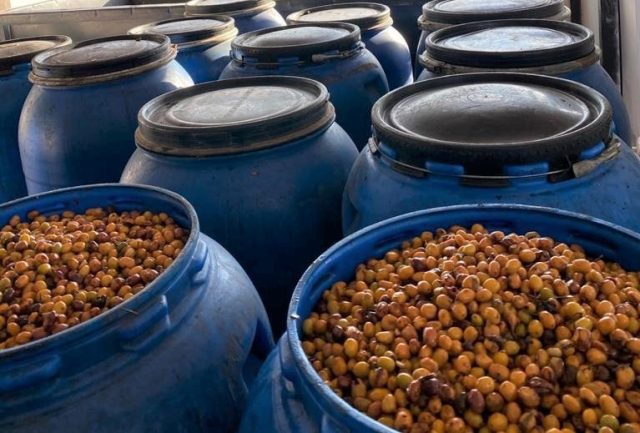
Excerpt: Additive Fermentation: “Infused” Coffee is Gaining Popularity and Sparking Industry Debate”
Co-fermented coffee is a new processing approach where producers add natural ingredients like fruit, hops, or spices during fermentation to enhance flavor complexity. Unlike flavored coffee, these additives interact with...
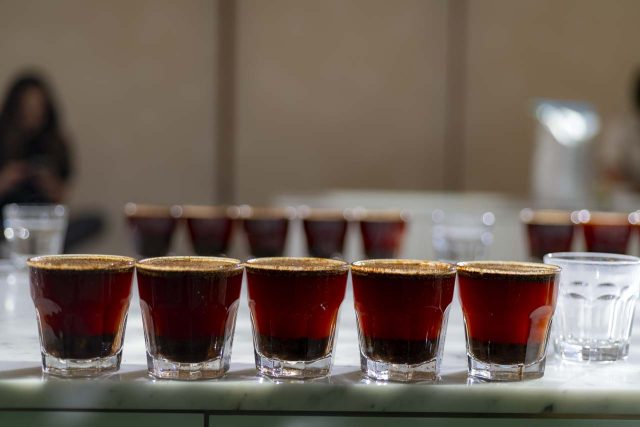
Are All Green Coffees the Same? Factors That Affect Their Flavor
Explore July 2025 Crown Jewel coffee arrivals from Sumatra, Ethiopia, Tanzania, and more. Bold flavors, innovative processing, and standout producers.